
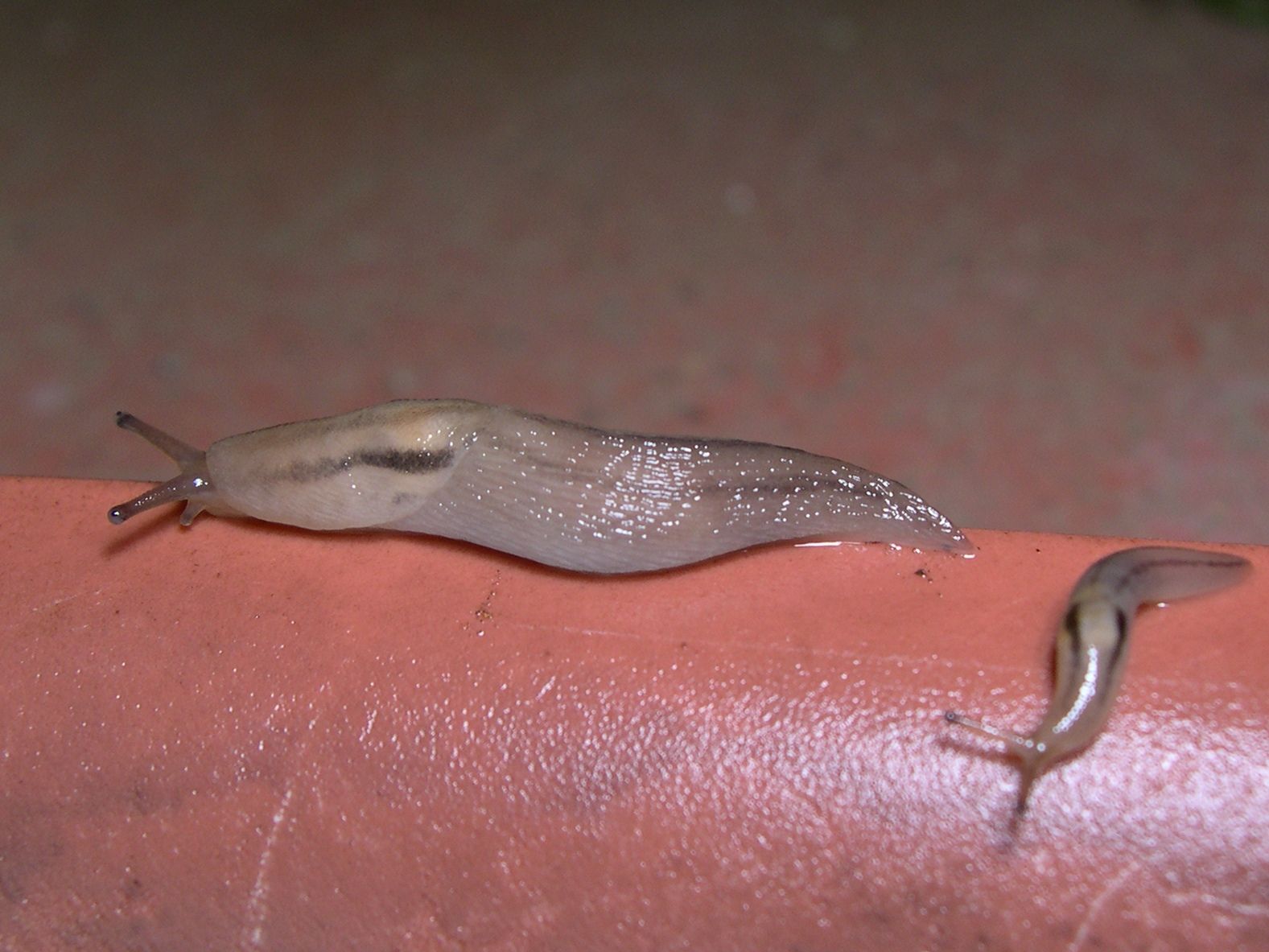
Short Description
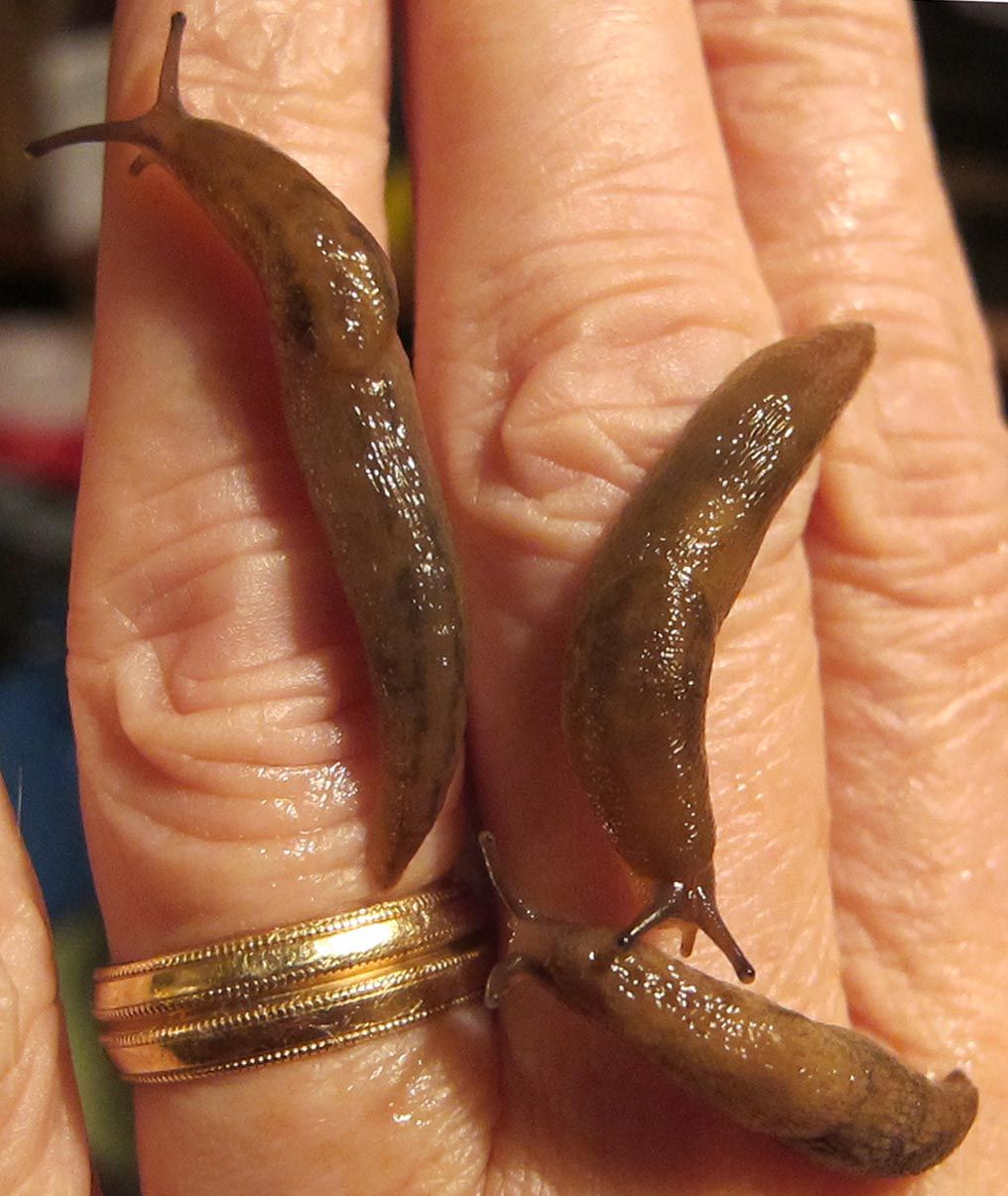
The striped greenhouse slug is yellowish to reddish-grey or yellowish-purple. It has two dark lateral stripes with a central, dark dorsal band in between. The head is always darker than the body. The underside (sole) is light grey. The edge along the dorsal line is short. Stretched out, it is up to seven centimetres long.
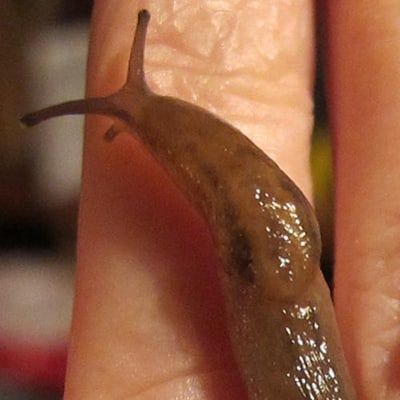
Features
Striped greenhouse slug
Ambigolimax valentianus
Head slightly darker than body
dark sidebands
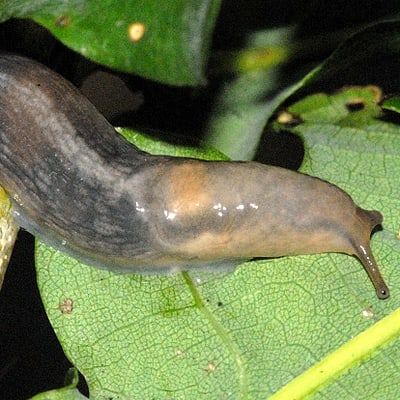
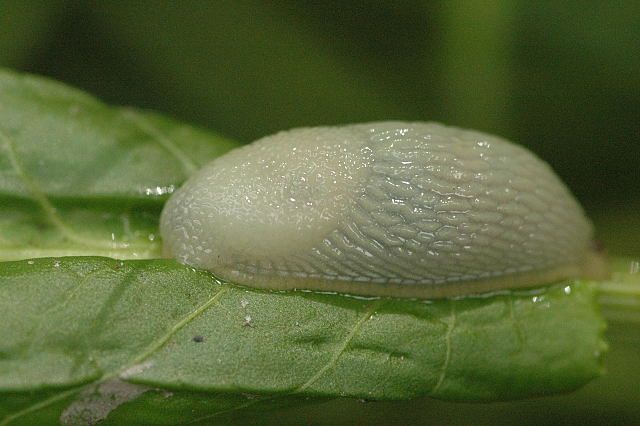
In the city
They are ground-dwelling animals. They prefer human-influenced habitats such as greenhouses, gardens and nurseries.
Fun Facts
It originates from the Iberian Peninsula and belongs to the non-native animals (neozoa). In these days, it has already been found in the field and also hibernating in several federal states.
The animals benefit from global warming.
They are often carried off with larger potted plants.
- Endangerment level Germany: not evaluated
Sources
Habitus, PD files, CC0 , https://commons.wikimedia.org/wiki/File:Lehmannia_valentiana_2006-06-11_Jp2.JPG

Habitus, James K. Lindsey, CC BY-SA 2.5, https://commons.wikimedia.org/wiki/File:Lehmannia_valentiana_2.jpg

Habitus, Invertzoo, CC BY-SA 4.0, https://commons.wikimedia.org/wiki/File:Lehmannia_valentiana_2011_NYC.JPG

Wiese, V. (2014) Die Landschnecken Deutschlands. Finden – Erkennen – Bestimmen, Wiebelsheim: Quelle & Meyer Verlag.
Nordsiek, R. (n.d.) Gewächshausschnegel - Die faszinierende Welt der Schnegel, URL: http://www.schnegel.at/index.html?/arten/lehmannia_valentiana.html (Accessed: 20.09.2017).
NABU Landesverband Niedersachsen (2008) Gewächshausschnegel in Niedersachsen. Erstes Freilandvorkommen entdeckt, URL: https://niedersachsen.nabu.de/tiere-und-pflanzen/sonstige-arten/schnecken/arten-niedersachsen/08226.html (Accessed: 30.11.2017).