
Short Description
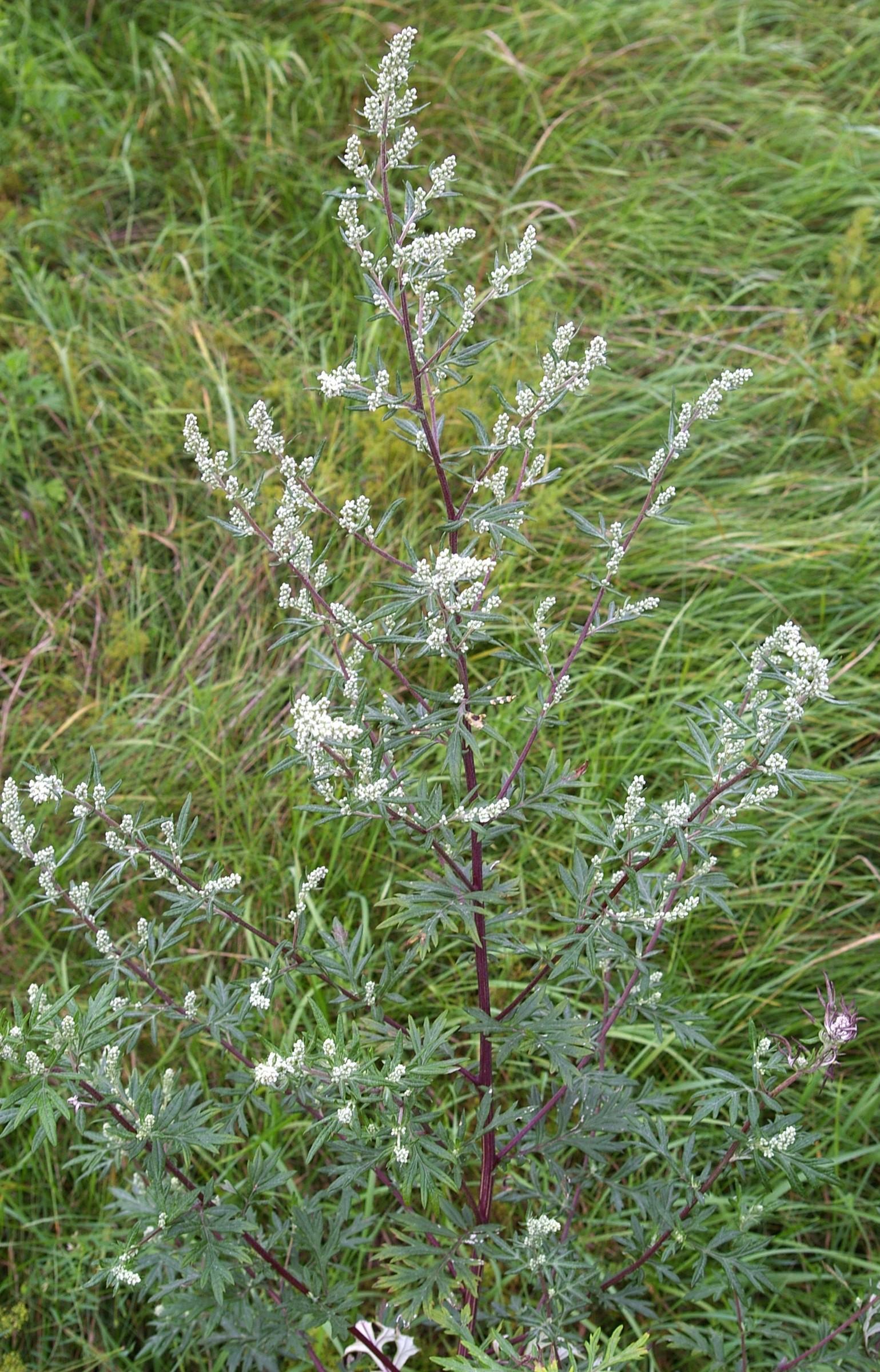
Mugwort can grow to up to 2 metres in height.
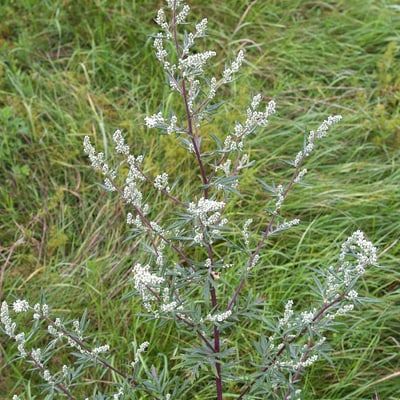
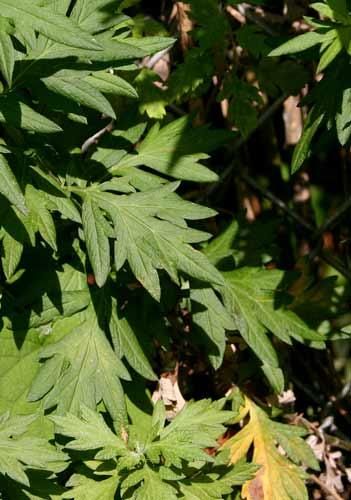
The leaves are alternate on the stem and are divided (pinnate). The upper side is green. The underside of the leaves is greyish-white and hairy.
The stem is erect upright with sparse hairs.
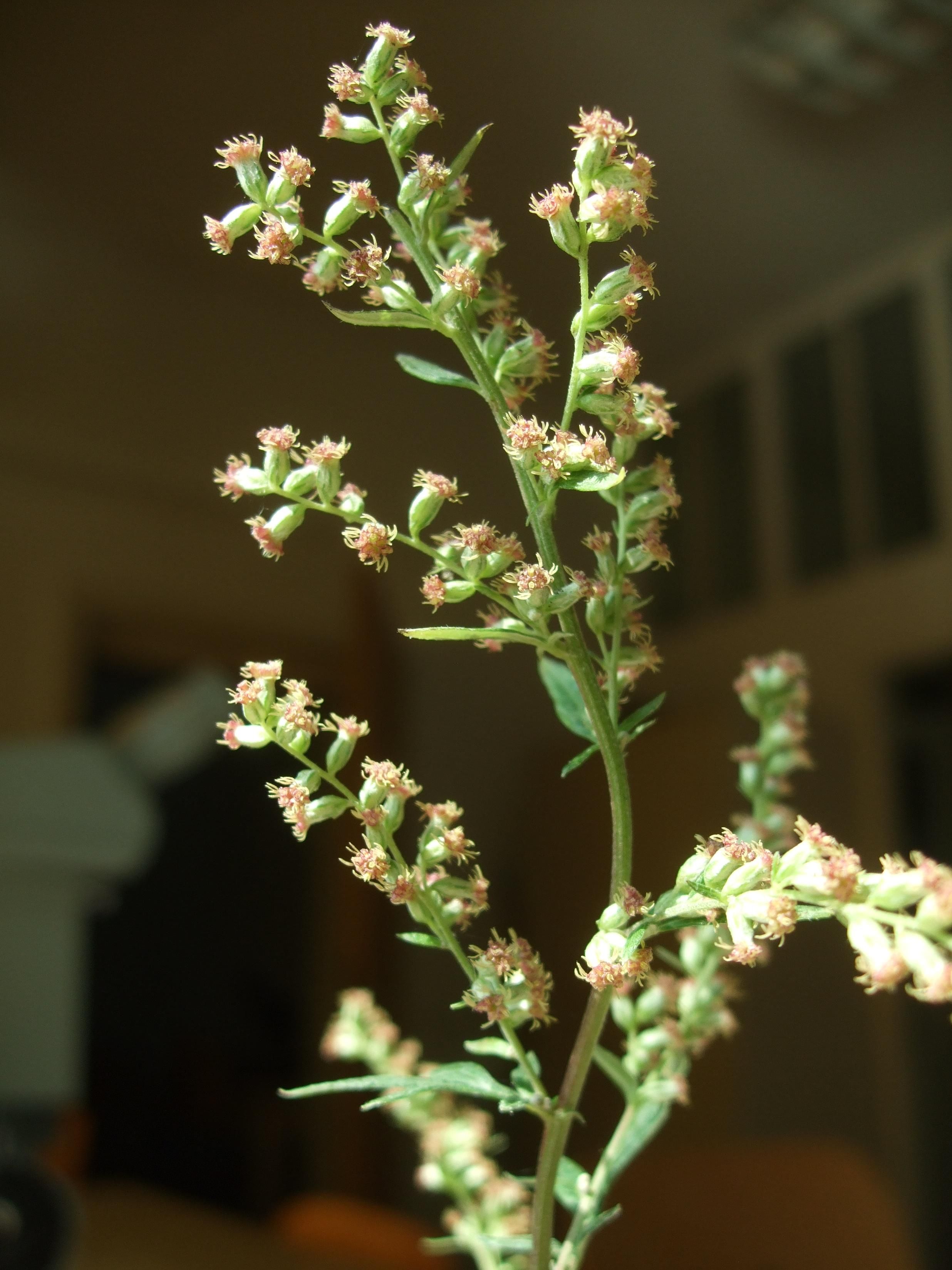
The flowers are small and inconspicuously reddish-brown. They are clustered in small flower heads. The flower heads are arranged in large, highly branched and expansive compound panicles.
The fruits are very small, smooth, dark-brown nuts.
Features
Mugwort
Artemisia vulgaris
distinctive scent
leaves with a silvery underside
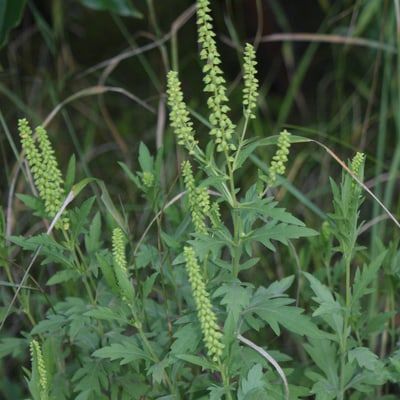
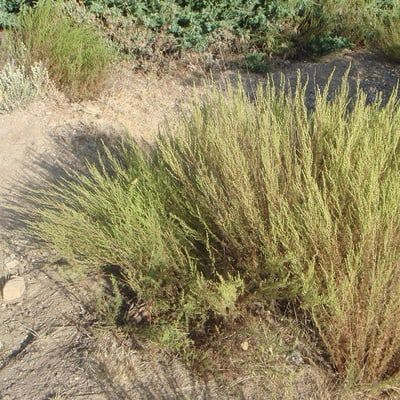
Similar species
In the city
In an urban environment, mugwort generally grows along footpaths. This it where it finds the nutrient-rich soils it prefers.
Its pollen frequently triggers allergic reactions.
Fun Facts
The essential oil is responsible for the plant’s distinctive smell.
All Artemisa varieties contain santonin which was formerly used as an anti-worming agent. However, as santonin is toxic to humans, too, and causes hallucinations at higher doses, it is no longer being used.
Mugwort is used as a flavouring with heavy, fatty meat dishes. Its active substances are beneficial to human digestion.
It flowers from July to September.
Pollination is done with the wind.
- Endangerment level Germany: not endangered
Mugwort is a typical synanthropic plant, i.e. following human habitation, and was probably spread to many parts of the world through Neolithic agriculture. It has been known in central Europe since the Neolithic Age.
The name of the genus (“Artemisia”) refers to Artemis, the Greek goddess of the hunt and childbirth.
An oil obtained from mugwort is used in the perfume industry or in aroma therapy.
Sources
Habitus, Christian Fischer, CC BY-SA 3.0, https://commons.wikimedia.org/wiki/File:ArtemisiaVulgaris.jpg

Blätter, Sue Sweeney, CC BY-SA 3.0, https://commons.wikimedia.org/wiki/File:Detail_of_mugwort_mature_leaf.jpg

Gesamtblütenstand, Alice Kracht, CC BY-SA 4.0, https://offene-naturfuehrer.de/web/Datei:Artemisia_vulgaris_2.JPG

Page „Beifuß“. : Wikipedia, The Free Encyclopedia. Date of last revision: 18.08.2016, 18:26 UTC. URL: https://de.wikipedia.org/w/index.php?title=Beifu%C3%9F&oldid=157155628 (Accessed: 13.09.2016).
Bundesamt für Naturschutz (n.d.) Artensteckbriefe, URL: http://floraweb.de/pflanzenarten/artenhome.xsql?suchnr=618& (Accessed: 13.09.2016).