
Short Description
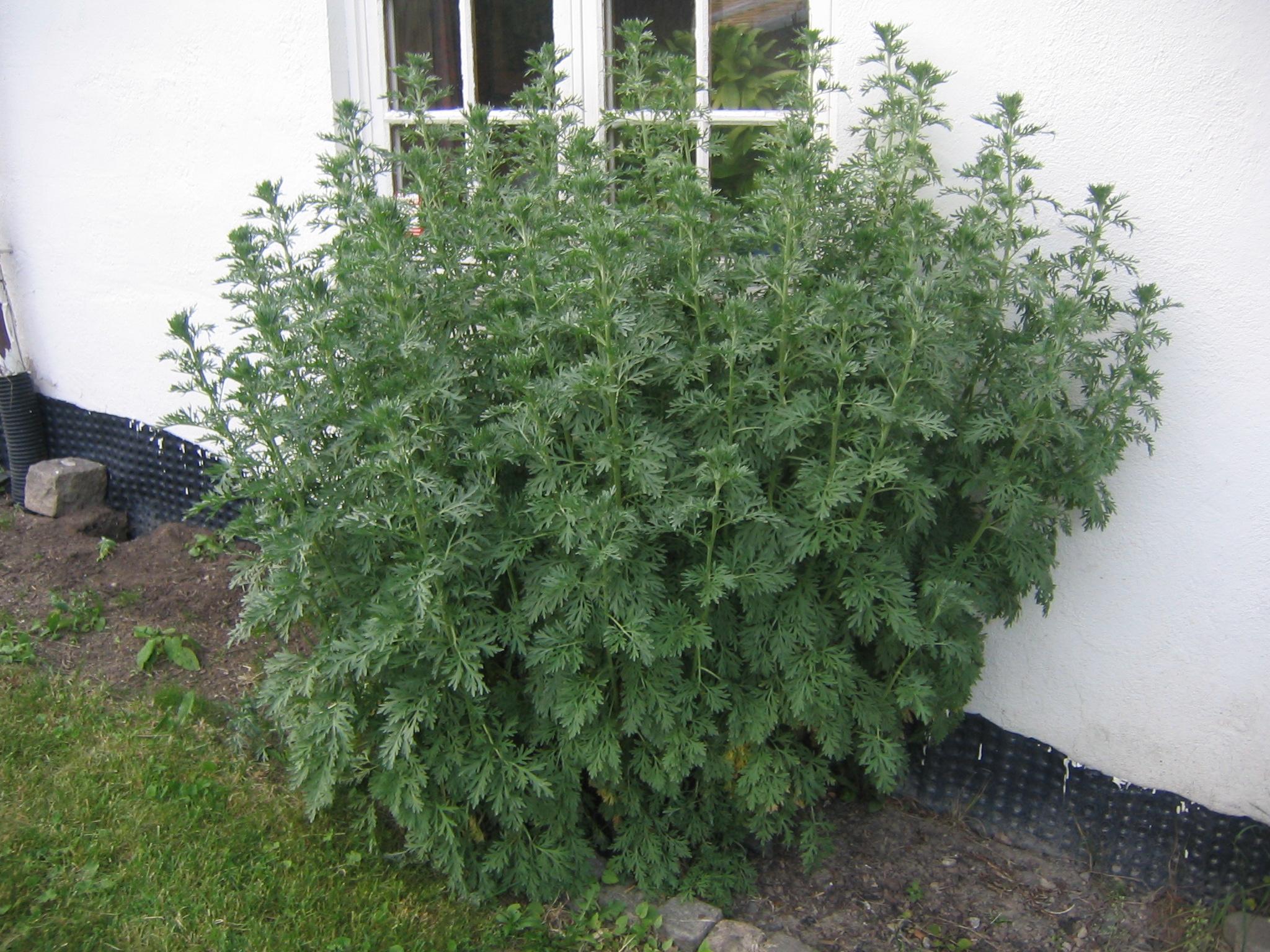
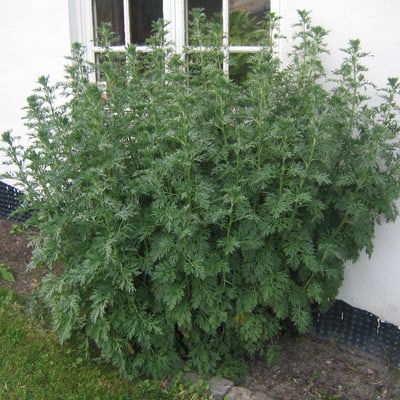
Wormwood can grow up to 120 cm high.
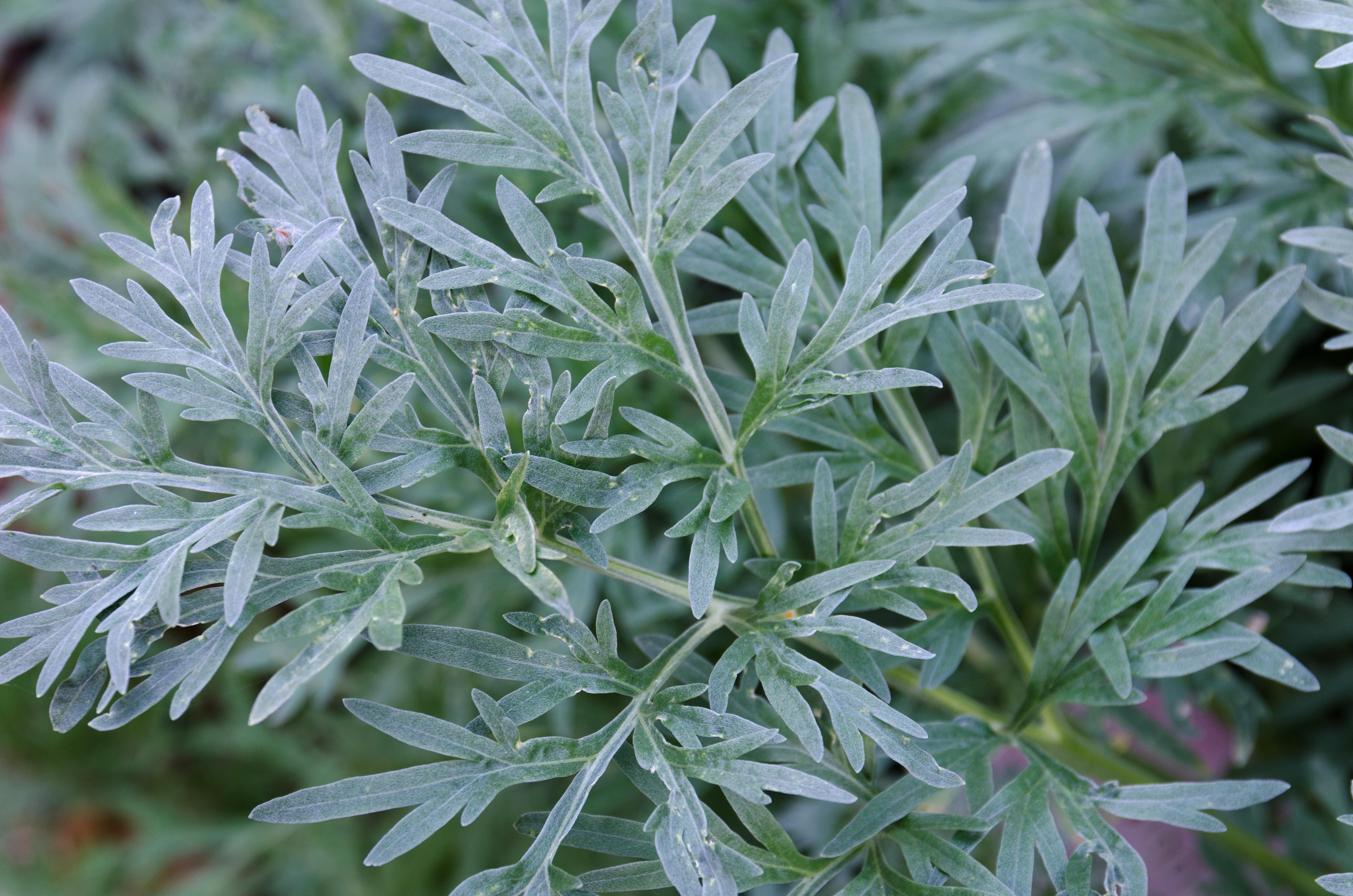
The leaves are solitary and alternate on the stem. They are divided into two or three parts. The upper leaves can be undivided. All leaves have silvery grey felt-like hairs on both sides.
The upright stem also has silvery-grey felt-like hairs. It often becomes woody at the base.
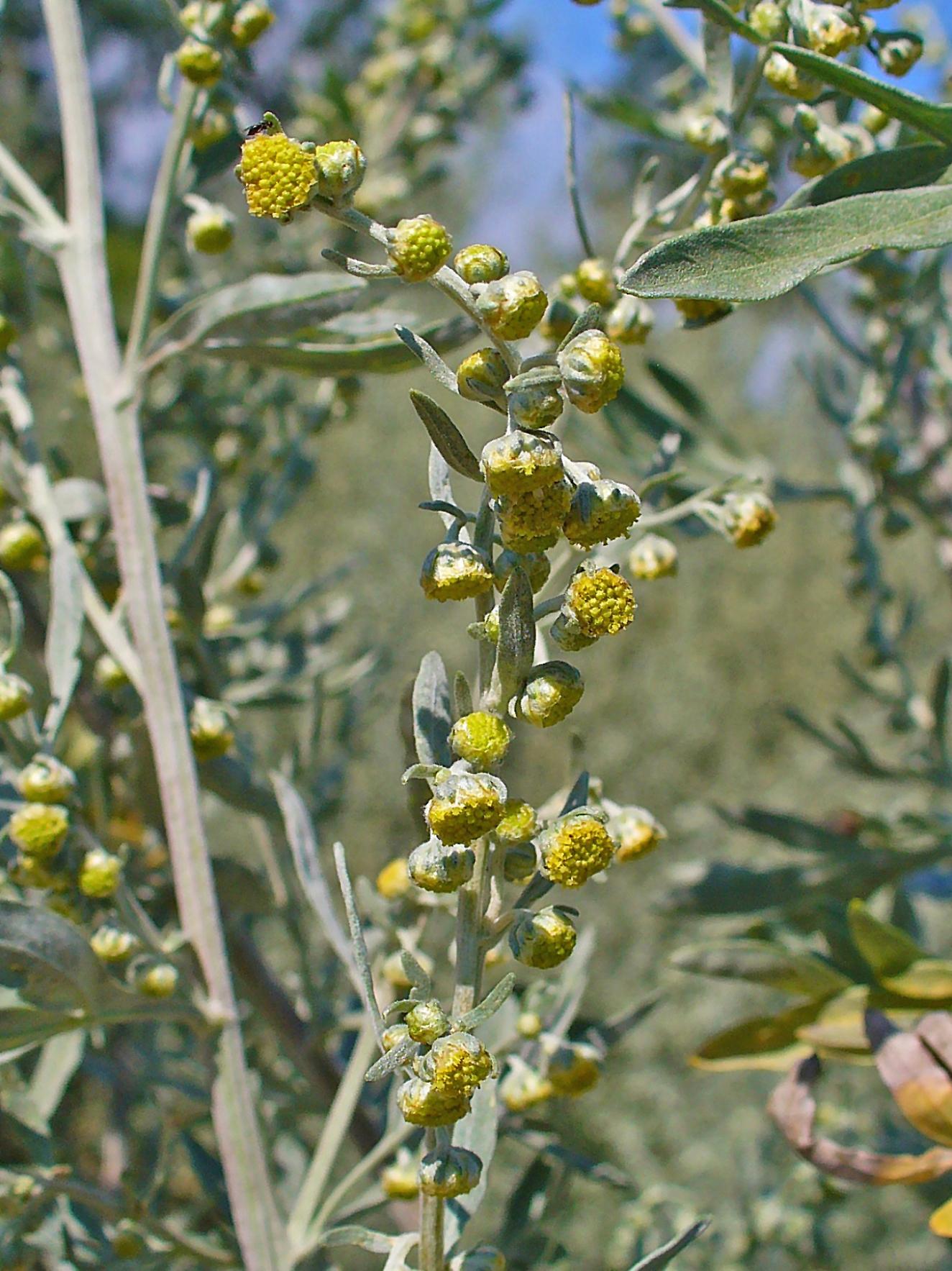
At first glance, the spherical flower head can be mistaken for the flower. It contains numerous small, yellow tubular flowers. The flower heads sit in a richly flowered, strongly branched (panicled) cluster.
The plant develops tiny, egg-shaped, nut-like fruits.
Features
Wormwood
Artemisia absinthium
strong aromatic scent
grey felty haired
In the city
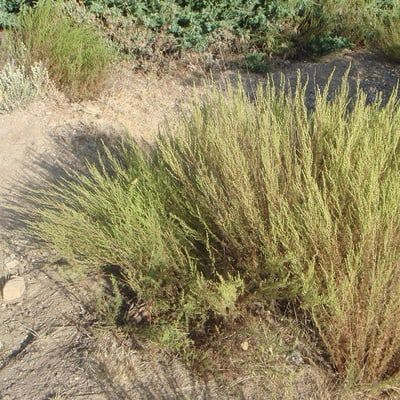
In the city, wormwood grows in dry and sunny places. It can be found on rubble areas, paths, rubbish tips, rocks and motorways. It prefers salty soils.
Fun Facts
The flowering period is from July to September.
It lives for several years and generally flowers and fruits annually (perennial plant).
The flowers are pollinated by the wind or insects.
The fruits are mainly spread by birds.
- Endangerment level Germany: not endangered
- Usage:
Wormwood contains essential oils and bitter substances. In small quantities they increase appetite and relieve flatulence.
Wormwood has been cultivated in Central Europe for centuries as a medicinal and spice plant and thus spread wild.
Wormwood contains the neurotoxin thujone.
Sources
Habitus, Eddideigel, CC BY-SA 3.0, https://commons.wikimedia.org/wiki/File:Wormwood_bush.jpg

Blütenstand, H. Zell, CC BY-SA 3.0, https://commons.wikimedia.org/wiki/File:Artemisia_absinthium_0002.JPG

Blätter, MichielSt, CC BY-SA 4.0, https://commons.wikimedia.org/wiki/File:Artemisia_absinthium_L._(absintalsem).jpg
.jpg)
Kammer, P. M. (2016) Pflanzen einfach bestimmen. Schritt für Schritt einheimische Arten kennenlernen, Bern: Haupt Verlag.
Schönfelder, I. & Schönfelder, P. (2010) Der Kosmos-Heilpflanzenführer. Über 600 Heil- und Giftpflanzen Europas, Stuttgart: Franckh Kosmos Verlag.
Spohn, M., Golte-Bechtle, M. & Spohn, R. (2015) Was blüht denn da? Stuttgart: Franckh Kosmos Verlag.
Page „Wermutkraut“. : Wikipedia, The Free Encyclopedia. Date of last revision: 27.03.2018, 16:27 UTC. URL: https://de.wikipedia.org/w/index.php?title=Wermutkraut&oldid=175467494 (Accessed: 09.05.2018).