
Short Description
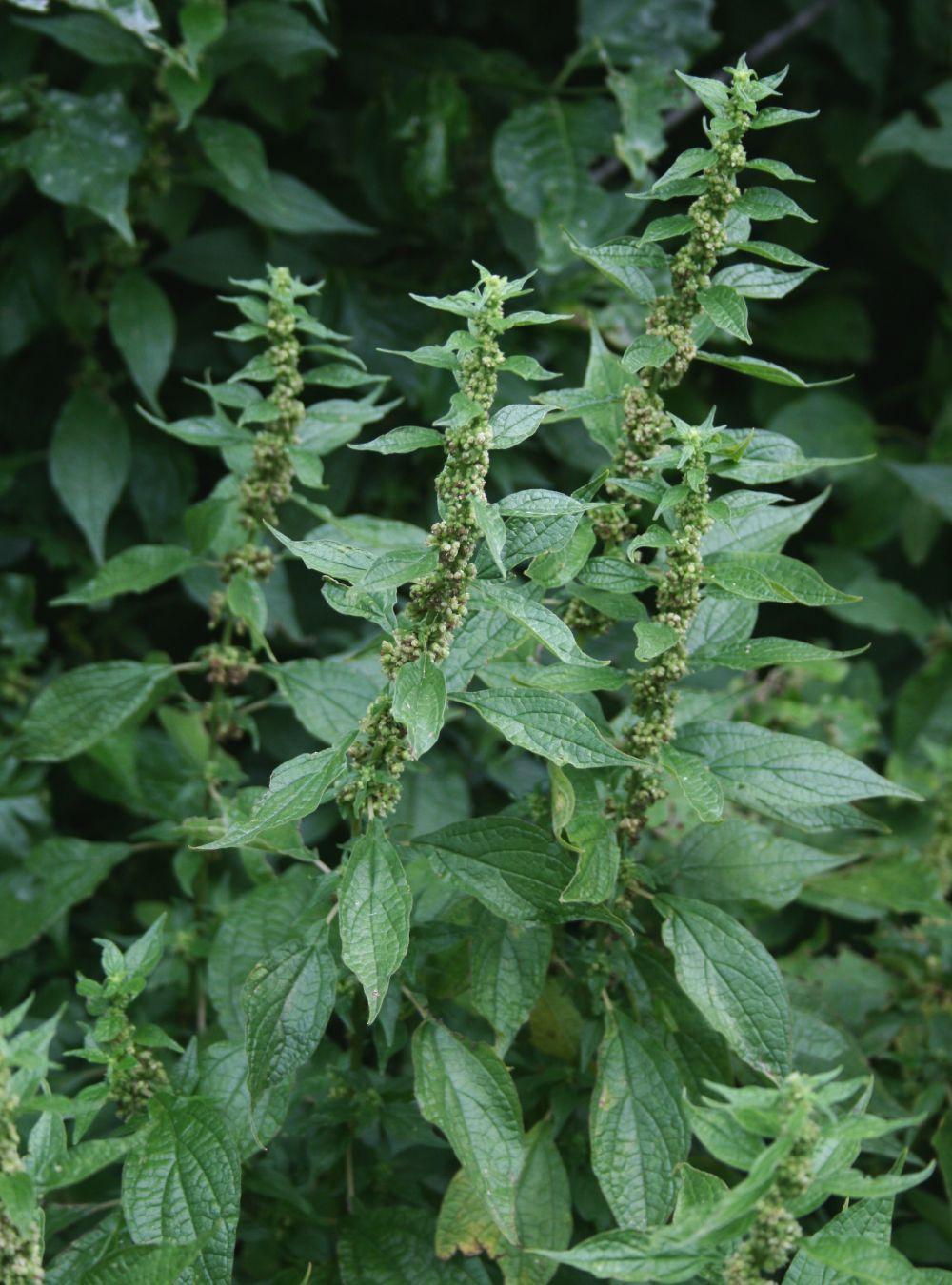
The The eastern pellitory-of-the-wall prefers shady and wind-protected sites. It very often grows on walls. However, it can also be found in shady ruderal areas and bushes. can grow up to one metre high.
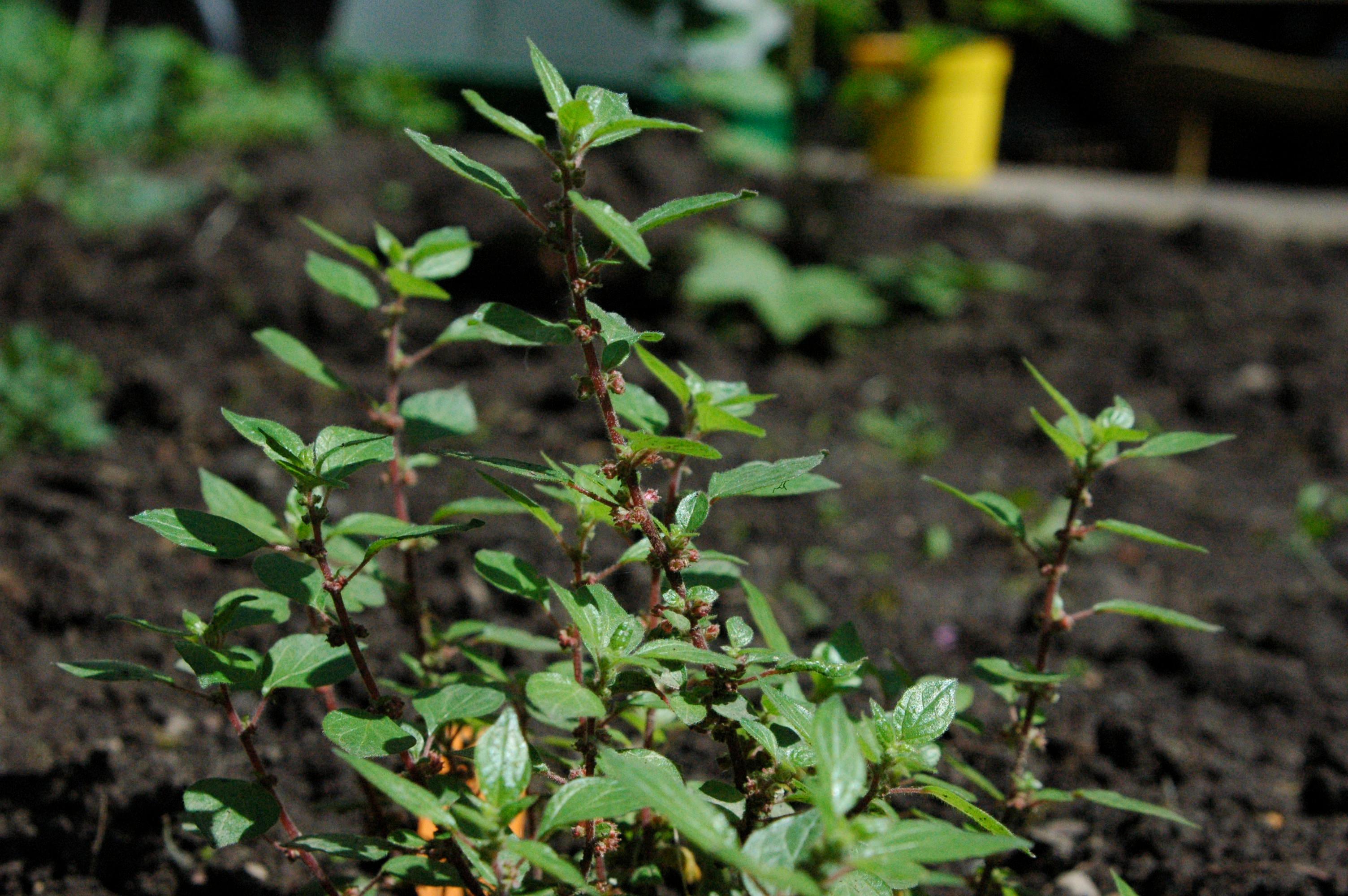
The elongated ovate leaves are large and shiny like glass. They sit singly and alternately on the stem.
The stem grows erect and is usually not branched.
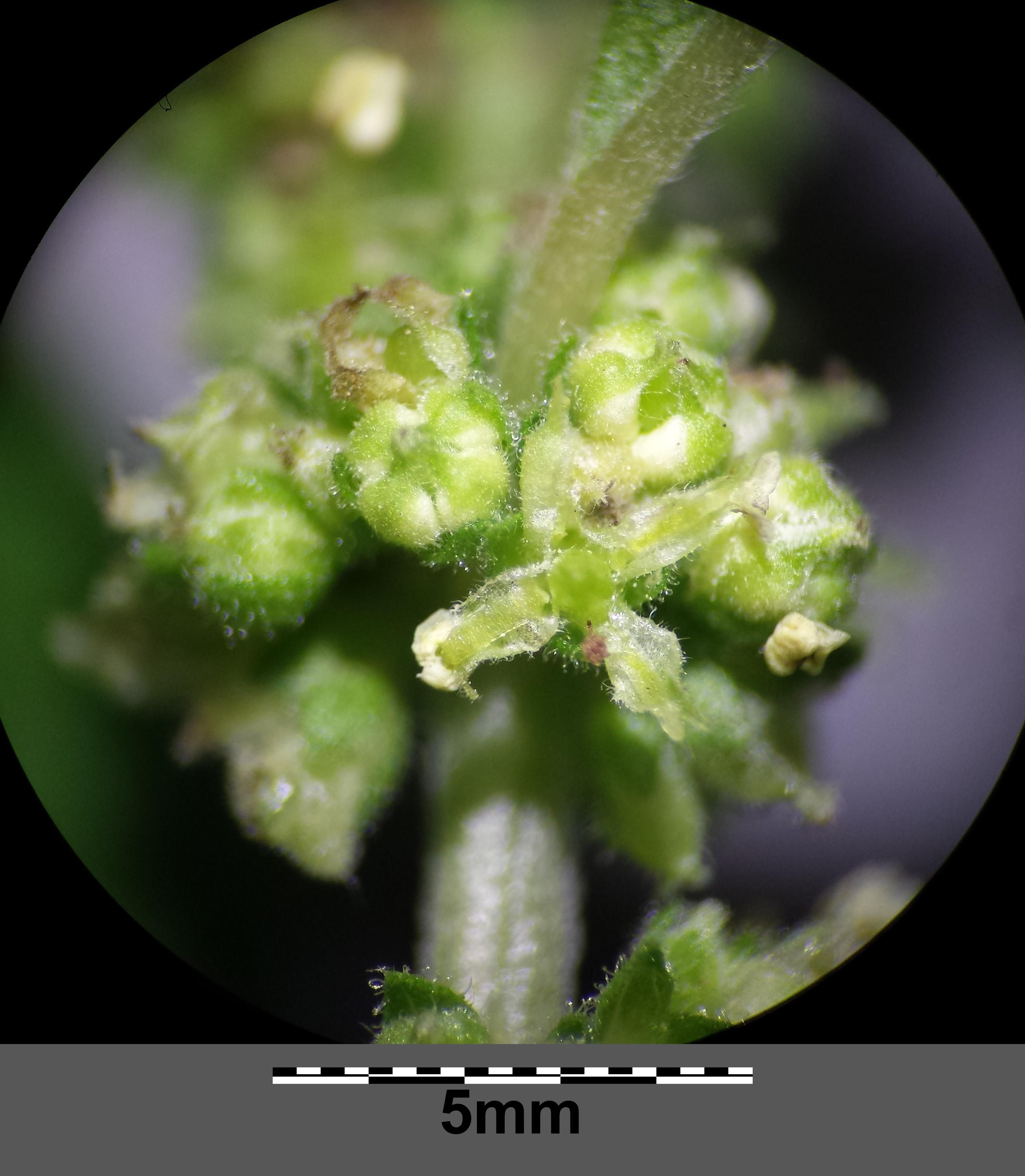
The tiny, indiscernible flowers are greenish and have four petals. They sit in dense, spherical inflorescences in the leaf axils.
The fruits are egg-shaped, black, shiny nuts.
Features
Eastern pellitory-of-the-wall
Parietaria officinalis
glassy glossy leaves
In the city
The eastern pellitory-of-the-wall prefers shady and wind-protected sites. It very often grows on walls. However, it can also be found in shady ruderal areas and bushes.The eastern pellitory-of-the-wall prefers shady and wind-protected sites. It very often grows on walls. However, it can also be found in shady ruderal areas and bushes.
Fun Facts
The eastern pellitory-of-the-wall prefers shady and wind-protected sites. It very often grows on walls. However, it can also be found in shady ruderal areas and bushes.
The leaves become translucent when dried.
The flowering period is from June to October.
The fruits are spread by ants or also by the wind.
- Endangerment level Germany: Warning list
- Usage:
The ashes of the eastern pellitory-of-the-wall can be used to clean glass and crockery.
The eastern pellitory-of-the-wall originates from the Mediterranean region. In Germany, it is considered an overgrown cultivated plant.
In the past, the plant was used as a medicinal herb against urinary tract infections and bladder and kidney stones.
Sources
Habitus, Franz Xaver, CC BY-SA 3.0, https://commons.wikimedia.org/wiki/File:Parietaria_officinalis_2.jpg

Blüten, Stefan.lefnaer, CC BY-SA 4.0, https://commons.wikimedia.org/wiki/File:Parietaria_officinalis_sl14.jpg

Habitus, Kai Hagemeister, CC BY-SA 3.0, https://commons.wikimedia.org/wiki/File:Parietaria_officinalis_Kai_Hagemeister.JPG

Schauer, T., Caspari, C. & Caspari, S. (2015) Der illustrierte BLV-Pflanzenführer für unterwegs. 1150 Blumen, Gräser, Bäume und Sträucher, München: BLV.
Spohn, M., Golte-Bechtle, M. & Spohn, R. (2015) Was blüht denn da? Stuttgart: Franckh Kosmos Verlag.
Page „Aufrechtes Glaskraut“. : Wikipedia, The Free Encyclopedia. Date of last revision: 10.02.2018, 20:44 UTC. URL: https://de.wikipedia.org/w/index.php?title=Aufrechtes_Glaskraut&oldid=173868088 (Accessed: 22.03.2018).