
Short Description
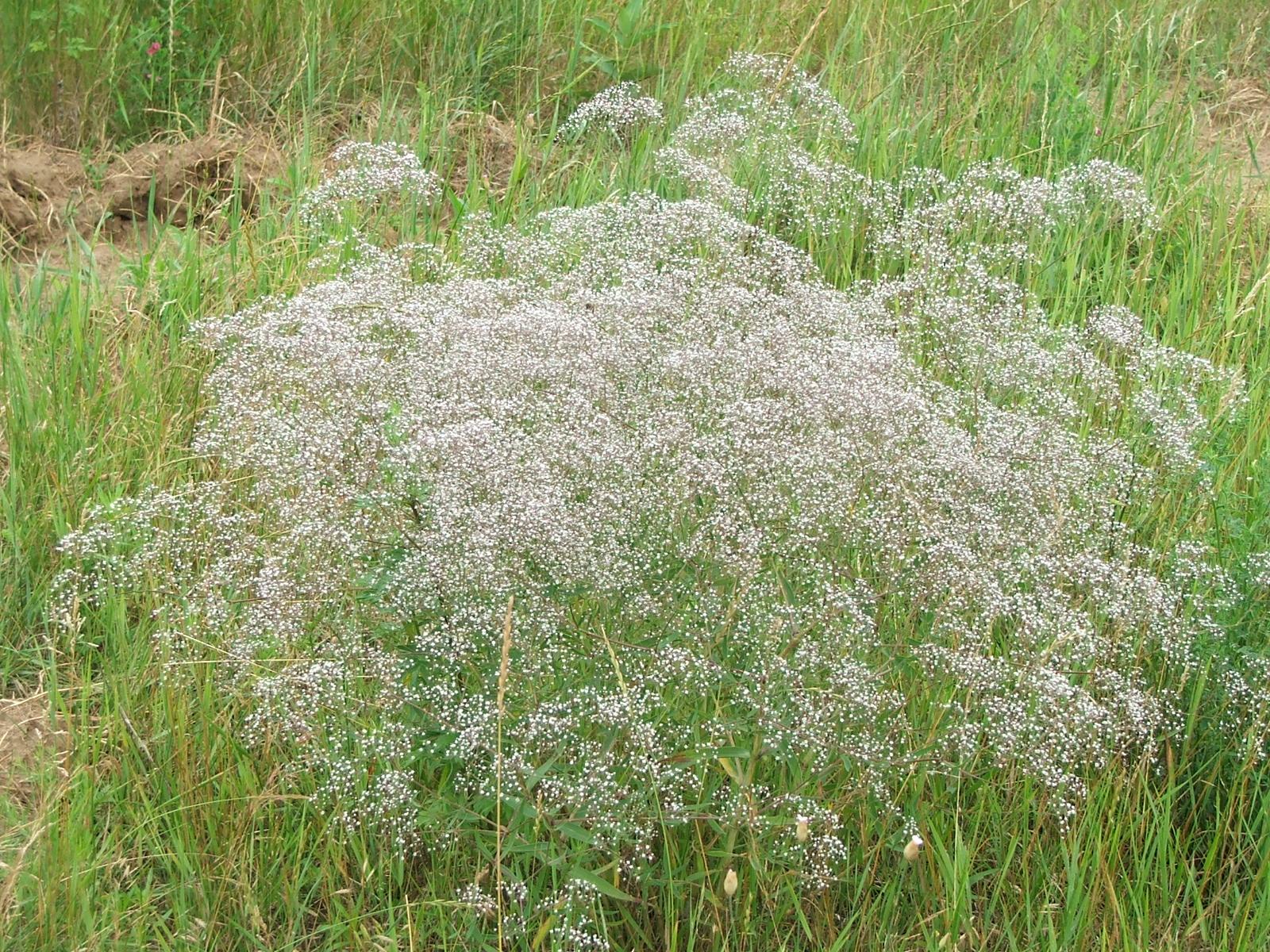
The gypsophila can grow up to one metre high.
The leaves are fused together at the base and are opposite each other. They are narrowly lanceolate and sharply pointed.
The stem has short hairs at the base.
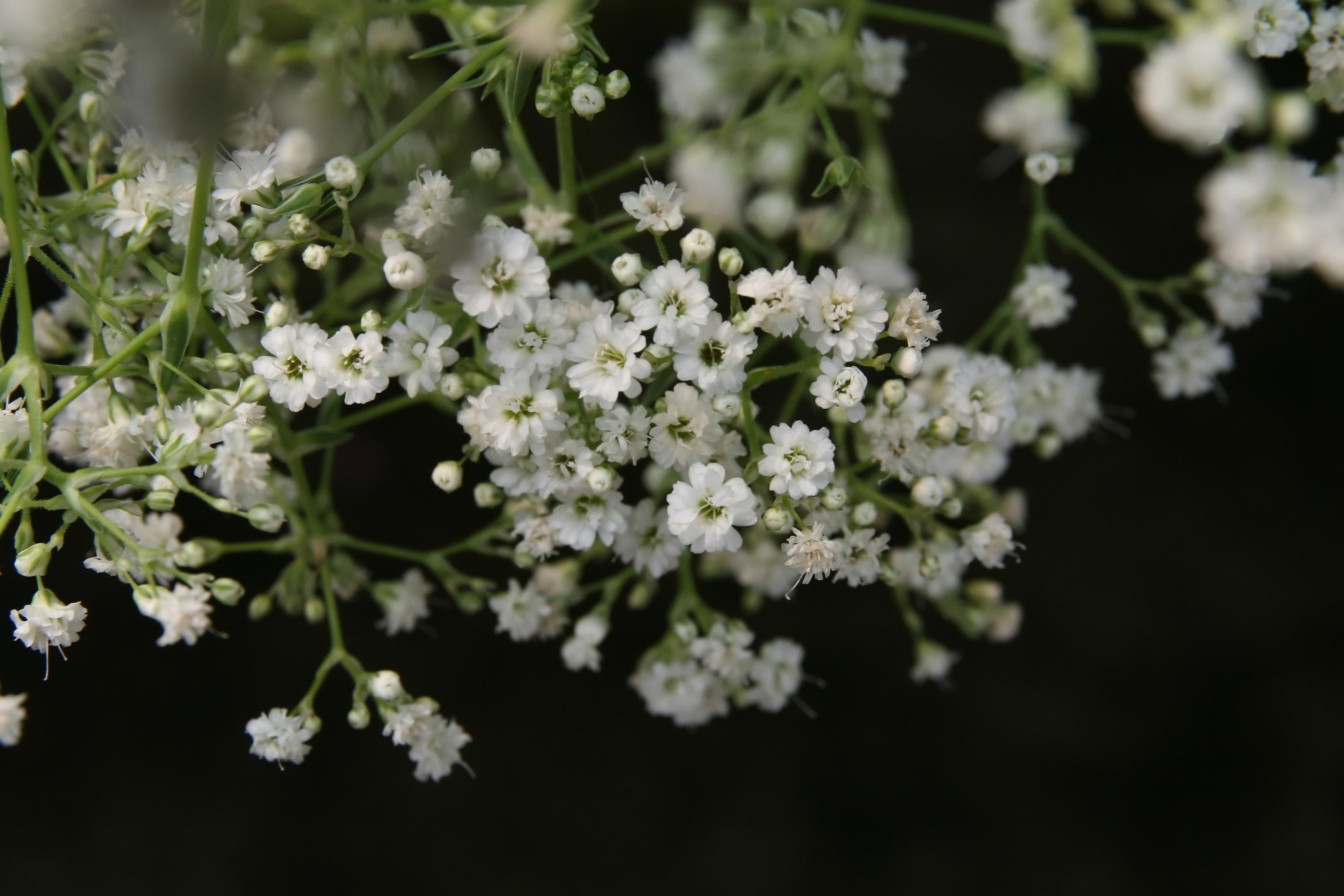
The small flowers are usually numerous in a loose, many-flowered panicle. The five petals are white and the stamens light pink.
The plant forms a small capsule fruit with a toothed edge, which opens at the tip.
Features
Baby's-breath
Gypsophila paniculata
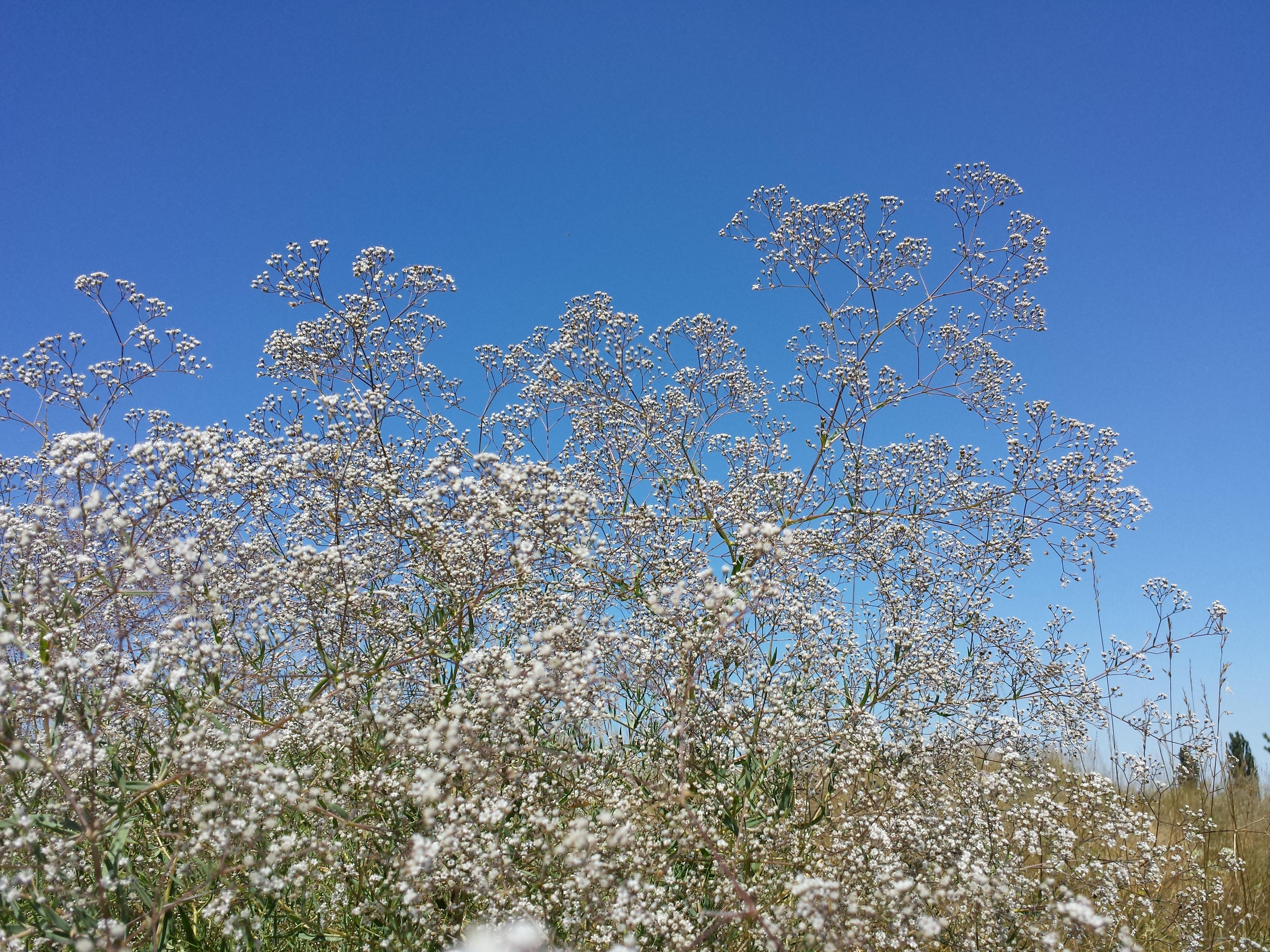
many-flowered, panicled inflorescences
narrow leaves
In the city
In the city, the gypsophila is very common in gardens. It also often grows along railway embankments. It prefers sandy and dry sites.
It is planted in gardens as an ornamental plant. From there it often runs wild.
Fun Facts
The flowering period is June to September.
Pollination is carried out by insects.
Baby's-breath is a perennial plant. It lives for several years, but flowers only once and dies after the seeds have ripened.
- Endangerment level Germany: not evaluated
Gypsophila originates from the Canadian Rocky Mountains. It belongs to the non-native plants (neophytes).
It is cultivated for the cut flower trade and very often used in bouquets.
Sources
Habitus, PiPi, CC0, https://commons.wikimedia.org/wiki/File:Gypsophila_paniculata.jpg

Blüten, David J. Stang, CC BY-SA 4.0, https://commons.wikimedia.org/wiki/File:Gypsophila_paniculata_Festival_Star_3zz.jpg

Habitus, Stefan.lefnaer, CC BY-SA 3.0, https://commons.wikimedia.org/wiki/File:Gypsophila_paniculata_sl2.jpg

Jäger, E. J. (2011) Rothmaler - Exkursionsflora von Deutschland. Gefäßpflanzen: Grundband, Heidelberg: Spektrum Akademischer Verlag.
Page „Rispiges Gipskraut“. : Wikipedia, The Free Encyclopedia. Date of last revision: 14.07.2016, 19:47 UTC. URL: https://de.wikipedia.org/w/index.php?title=Rispiges_Gipskraut&oldid=156147280 (Accessed: 14.08.2017).