
Short Description
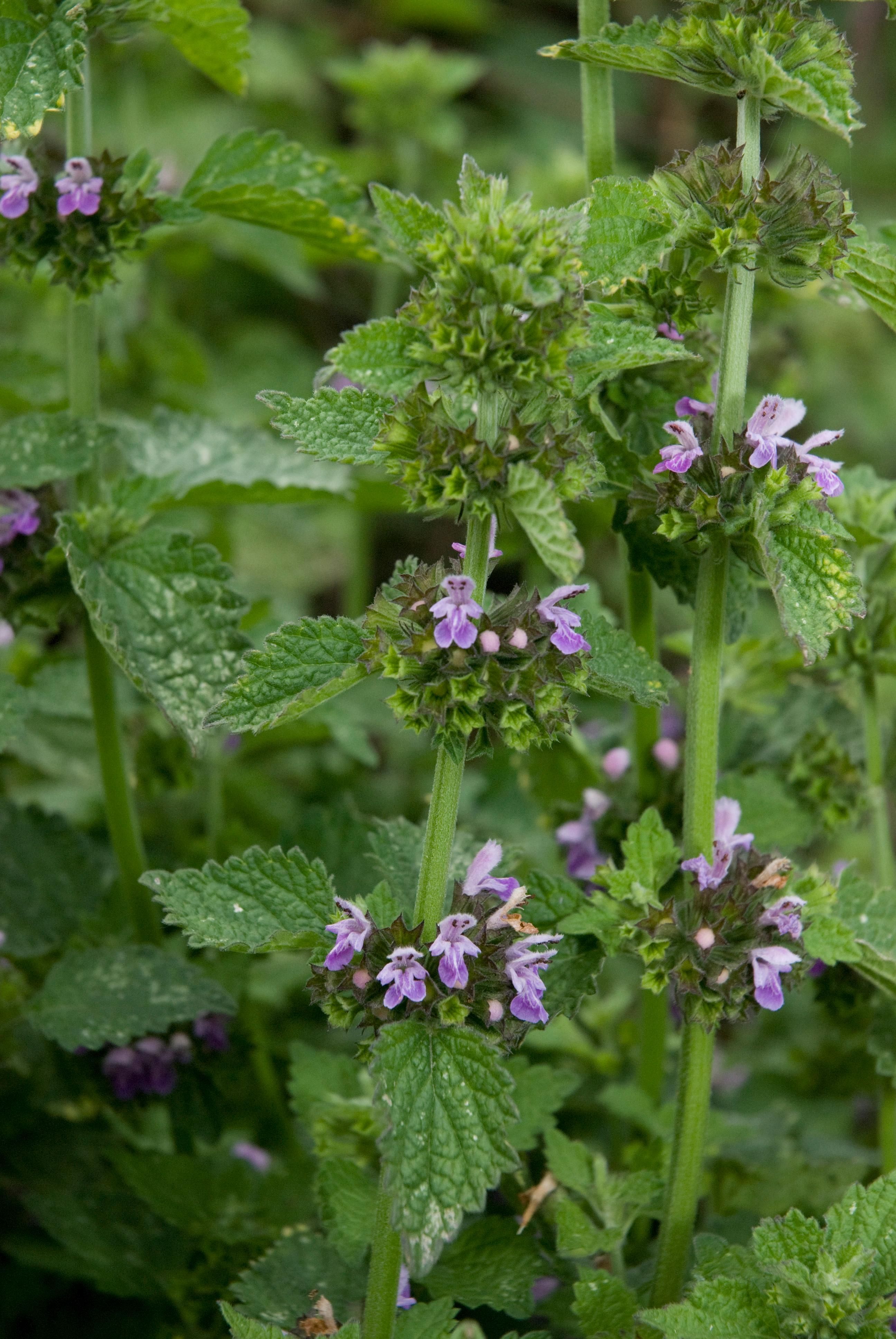
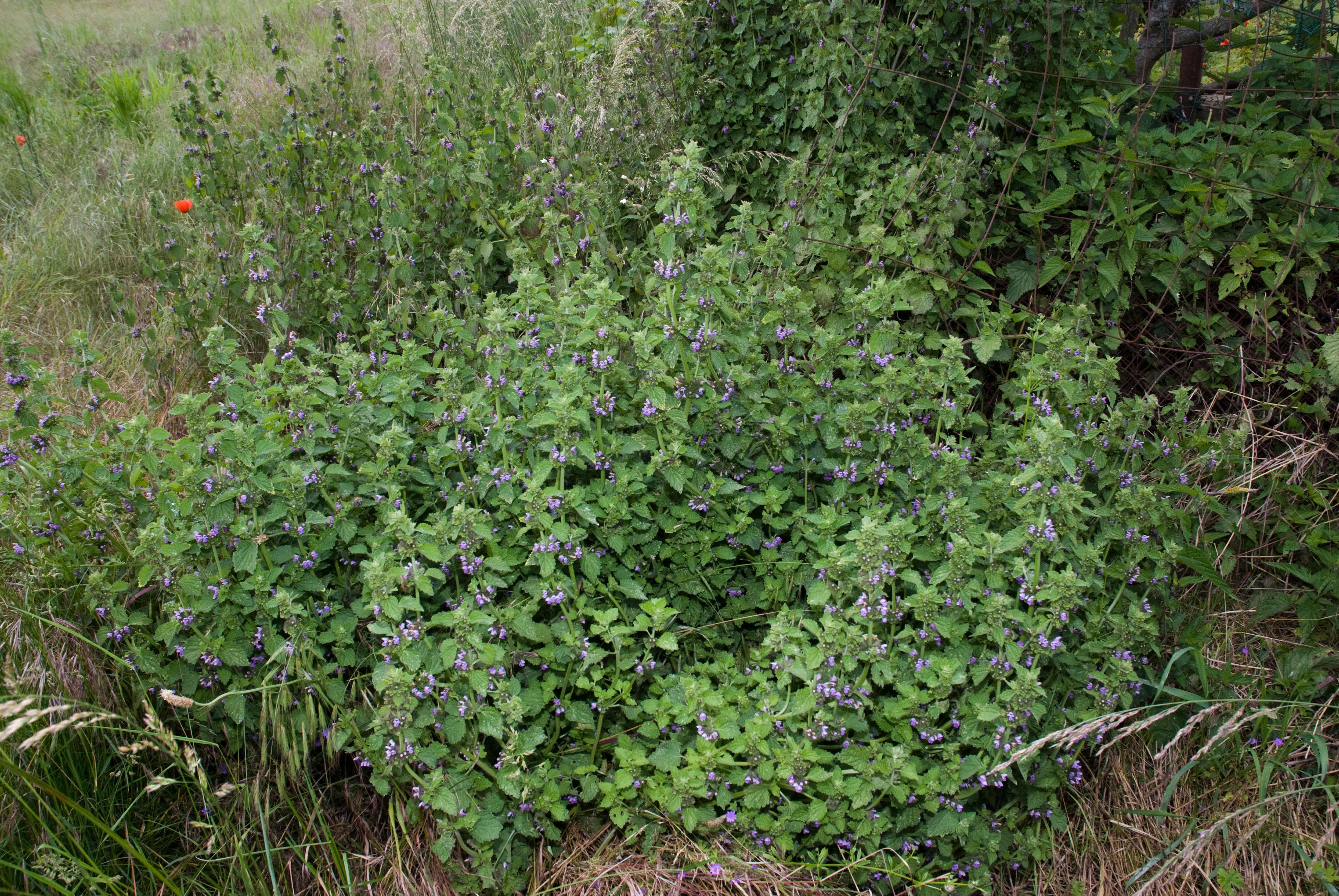
The black horehound can grow to a height of one metre.
The leaves are oval and irregularly serrated with their upper face wrinkled and hairy. The leaves grow in opposite pairs. When rubbed, they emit an unpleasant smell.
The stem is erect, square and generally sparsely covered in soft hair. It is hollow inside and often tinged with red.
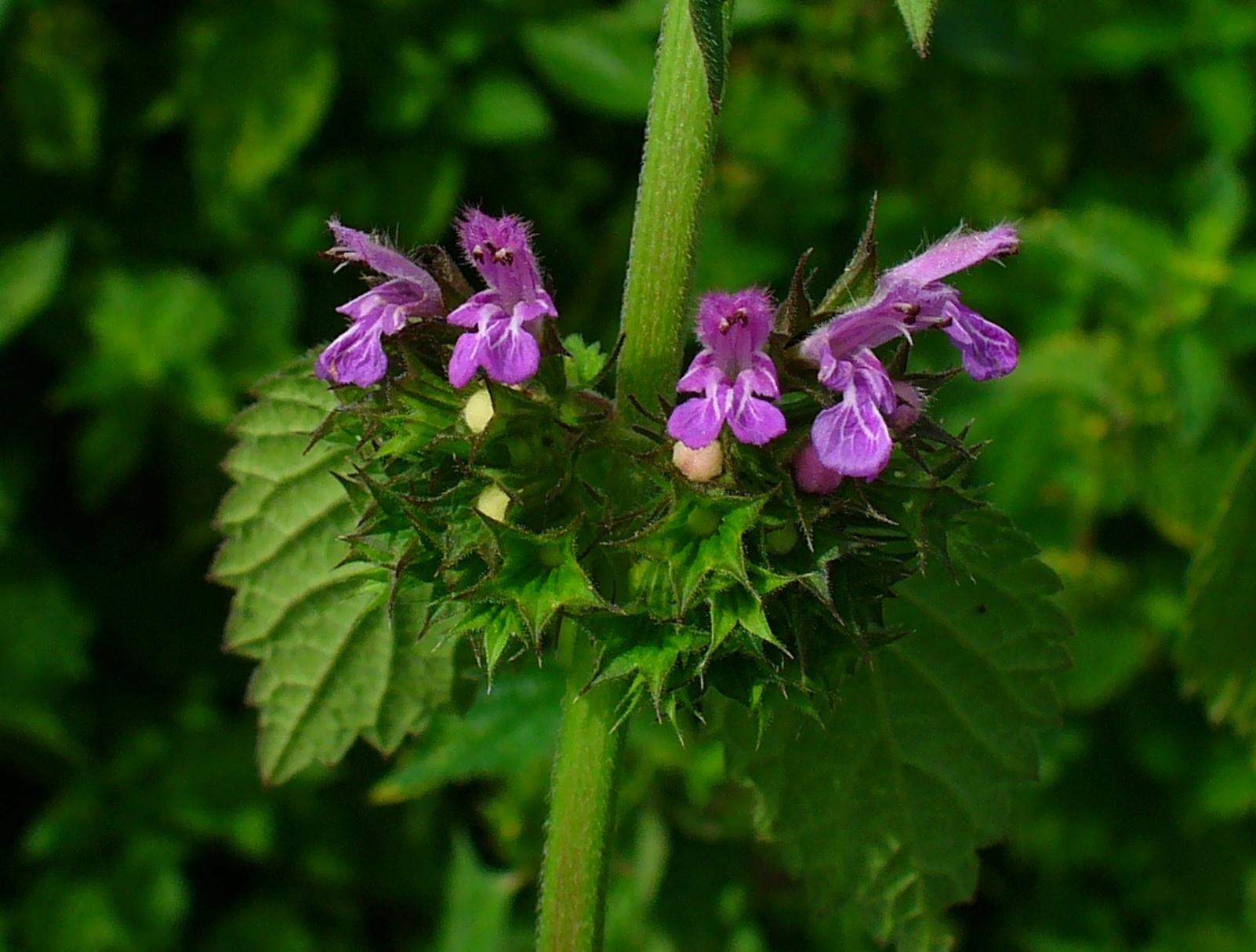
The flowers are crimson to purple and finely haired. The corolla consists of two lips. The lower lip is divided into three lobes.
The fruits are schizocarps that split into several sections (mericarps) after ripening.
Features
Black horehound
Ballota nigra
purple flowers
unpleasant smell
In the city
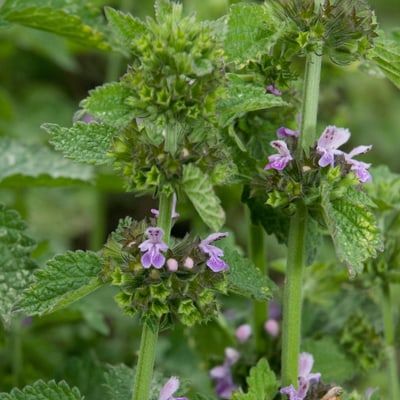
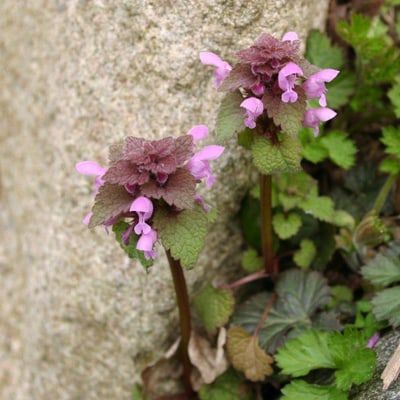
It prefers light to semi-shady, fresh sites with highly nutritious soils. Nutrient-rich soils are common in the city, so black nettle can reproduce well here. It is common along roadsides and meadowsides, hedges and on railway tracks.
Fun Facts
The common name “black horehound” comes from the Old English words har, meaning "downy or hoary", and hune, meaning the plant itself. This name refers to the hairs that give the herb its distinctive appearance.
It lives for several years and generally flowers and fruits annually (perennial plant).
It flowers from May to October.
- Endangerment level Germany: not endangered
In folk medicine, black horehound is used against cramps, nausea and for sedation in cases of hysteria.
Sources
Habitus, Olivier Pichard, CC BY-SA 3.0, https://commons.wikimedia.org/wiki/File:Ballota_nigra_fresnes-au-mont_55_03062007_3.jpg

Blüten, H. Zell, CC BY-SA 3.0, https://commons.wikimedia.org/wiki/File:Ballota_nigra_002.JPG

Habitus, Olivier Pichard, CC BY-SA 3.0, https://commons.wikimedia.org/wiki/File:Ballota_nigra_fresnes-au-mont_55_03062007_1.jpg

Spohn, M., Golte-Bechtle, M. & Spohn, R. (2015) Was blüht denn da? Stuttgart: Franckh Kosmos Verlag.
Lippert, W. & Podlech, D. (1993) GU Naturführer. Blumen: die wichtigen Blütenpflanzen Mitteleuropas erkennen und bestimmen, München: Gräfe und Unzer Verlag.
Schauer, T., Caspari, C. & Caspari, S. (2015) Der illustrierte BLV-Pflanzenführer für unterwegs. 1150 Blumen, Gräser, Bäume und Sträucher, München: BLV.
Page „Schwarznessel“. : Wikipedia, The Free Encyclopedia. Date of last revision: 04.04.2016, 14:15 UTC. URL: https://de.wikipedia.org/w/index.php?title=Schwarznessel&oldid=153161919 (Accessed: 15.12.2016).
Bundesamt für Naturschutz (n.d.) Artensteckbriefe, URL: http://floraweb.de/pflanzenarten/artenhome.xsql?suchnr=20004& (Accessed: 15.12.2016).