
Short Description
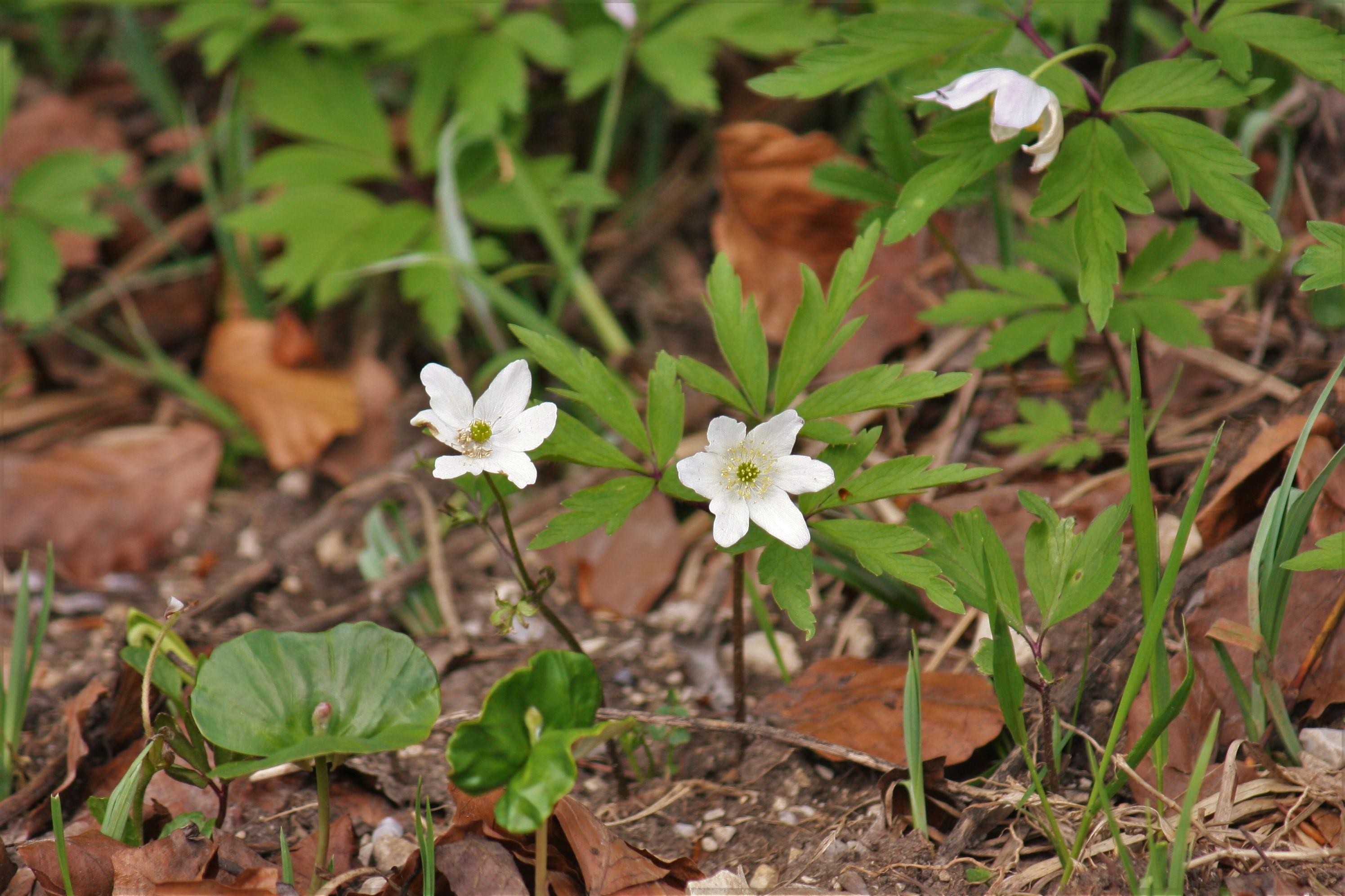
The wood anemone is a perennial plant that can grow to a height of 25 cm.
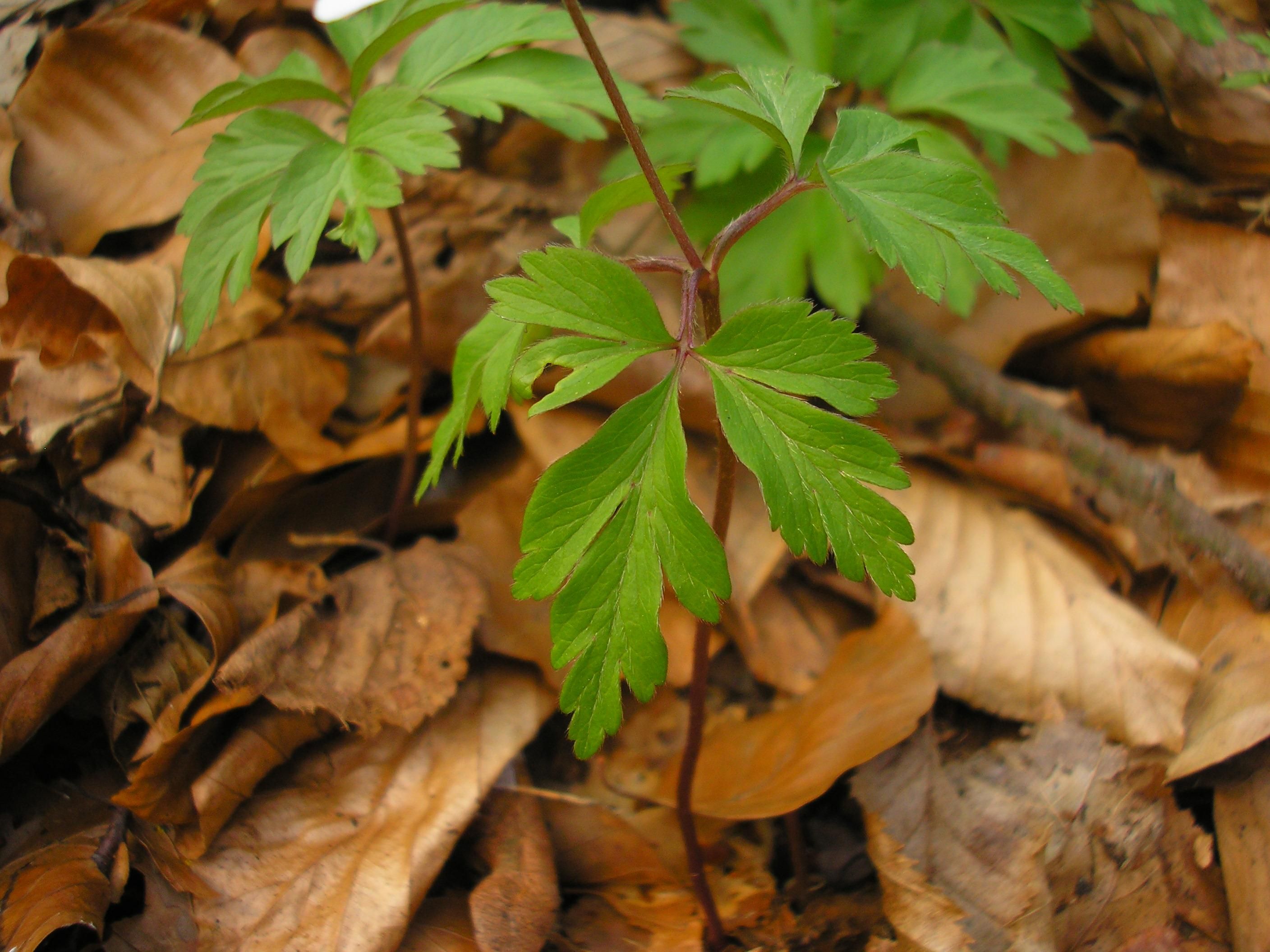
The leaves are divided into three lobes (ternate), irregularly lobed and irregularly coarsely serrated. Three stem leaves are found in the upper section of the plant. The base leaves are absent at the time of flowering.
The flower stalk is sparsely hairy. The rhizome is creeping and branched.
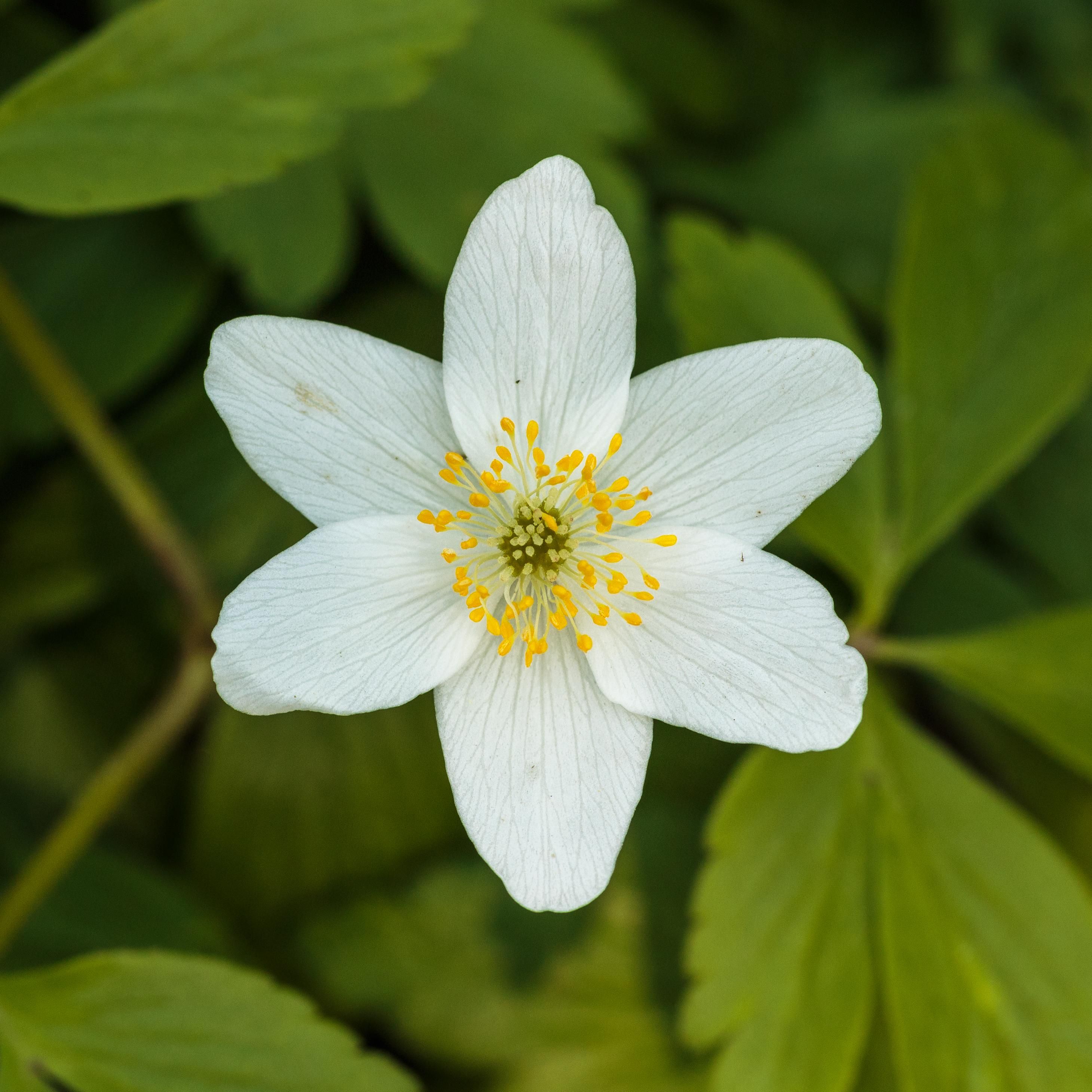
As a general rule, only one flower per plant develops. The flowers are white and often pink on the outside. The number of petals can vary from six to twelve. At the centre of the flower are numerous yellow stamens.
The fruits are small roundish nuts densely covered in hairs.
Features
Wood anemone
Anemone nemorosa
poisonous
generally one flower per plant
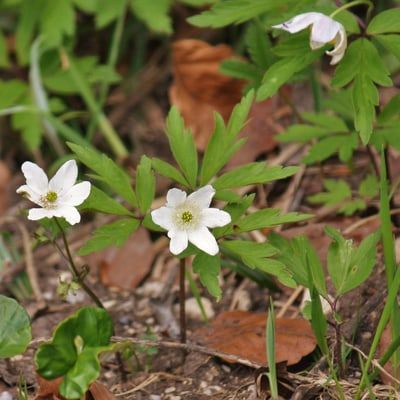
leaves divided into three deep lobes
In the city
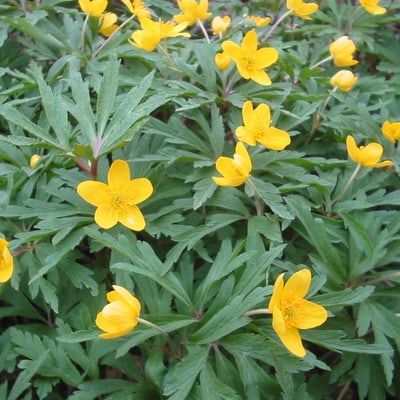
In an urban environment, wood anemones are generally found in deciduous woods and large parks, but also in hedges and shady meadows. They prefer damp and shady sites with chalky soils.
Fun Facts
It flowers from March to April.
It lives for several years and generally flowers and fruits annually (perennial plant).
- Endangerment level Germany: not endangered
The entire plant is poisonous.
Sources
Habitus, J. Patrick Fischer, CC BY-SA 4.0, https://commons.wikimedia.org/wiki/File:Blume_in_Wildbad_06.jpg

Blüte, Dominicus Johannes Bergsma, CC BY-SA 4.0, https://commons.wikimedia.org/wiki/File:Bosanemoon_(Anemone_nemorosa)_(d.j.b.).jpg
_(d.j.b.).jpg)
Blätter, Julia Kruse, CC BY-SA 3.0, https://species-id.net/openmedia/File:Anemone_nemorosa_JuliaKruse.jpg

Eggenberg, S. & Möhl, A. (2007) Flora Vegetativa: Ein Bestimmungsbuch für Pflanzen der Schweiz im blütenlosen Zustand, Bern, Stuttgart, Wien: Haupt Verlag.
Spohn, M., Golte-Bechtle, M. & Spohn, R. (2015) Was blüht denn da? Stuttgart: Franckh Kosmos Verlag.
Jäger, E. J. (2011) Rothmaler - Exkursionsflora von Deutschland. Gefäßpflanzen: Grundband, Heidelberg: Spektrum Akademischer Verlag.
Kammer, P. M. (2016) Pflanzen einfach bestimmen. Schritt für Schritt einheimische Arten kennenlernen, Bern: Haupt Verlag.
Lippert, W. & Podlech, D. (1993) GU Naturführer. Blumen: die wichtigen Blütenpflanzen Mitteleuropas erkennen und bestimmen, München: Gräfe und Unzer Verlag.
Schauer, T., Caspari, C. & Caspari, S. (2015) Der illustrierte BLV-Pflanzenführer für unterwegs. 1150 Blumen, Gräser, Bäume und Sträucher, München: BLV.
Page „Buschwindröschen“. : Wikipedia, The Free Encyclopedia. Date of last revision: 01.03.2017, 13:19 UTC. URL: https://de.wikipedia.org/w/index.php?title=Buschwindr%C3%B6schen&oldid=163132595 (Accessed: 06.03.2017).