
Short Description
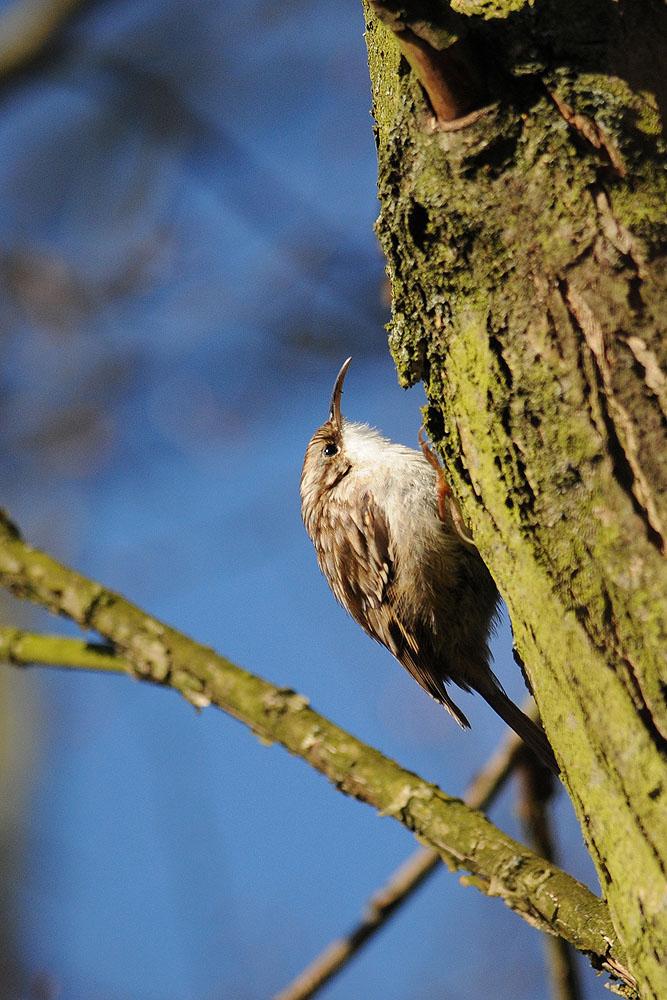
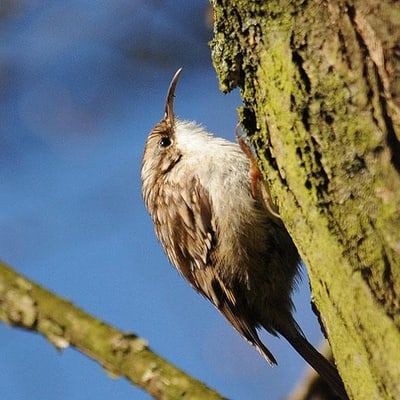
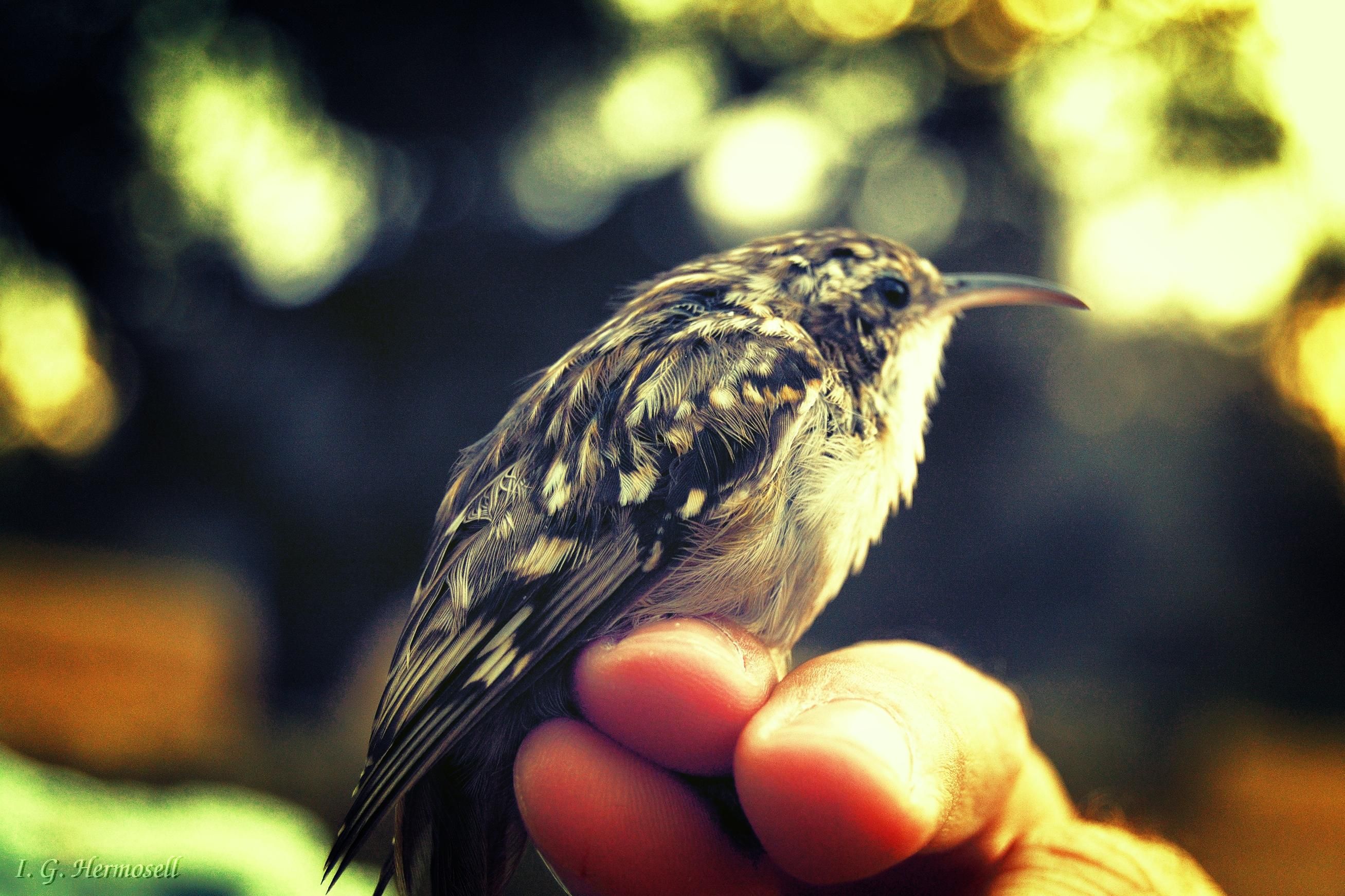
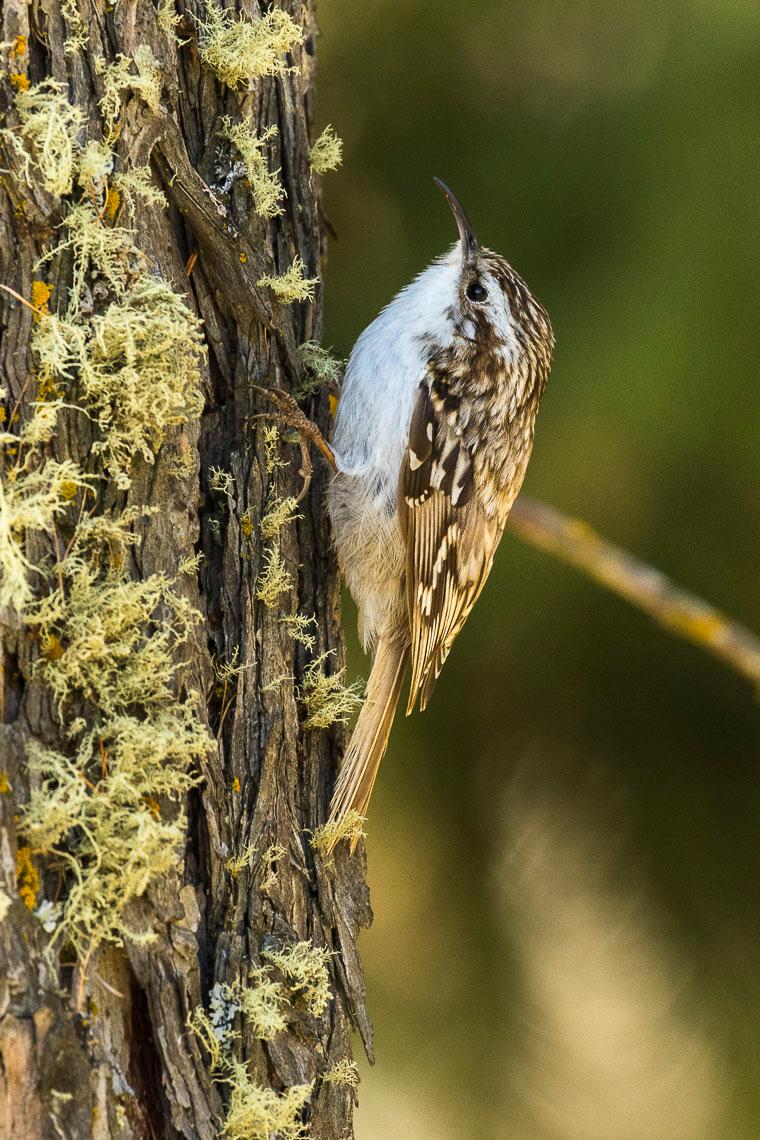
The short-toed treecreeper is a well camouflaged small bird with drab brown plumage. Characteristic is its creeping up trees. The stripe above the eyes (supercilium) and the underparts are beige or off-white. Its bill is straight or shows a slight downward bend.
Features
Short-toed treecreeper
Certhia brachydactyla
small
creeping up tree trunks
Rufe und Gesang
Tretzel, CC BY-SA 3.0

Similar species
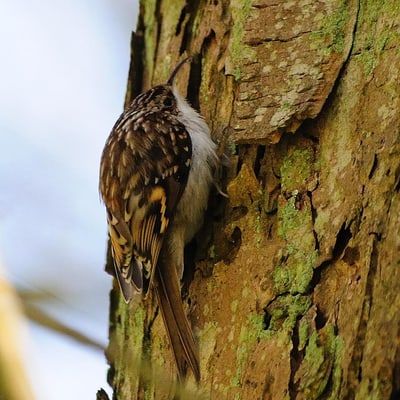
Eurasian treecreeper
Certhia familiaris
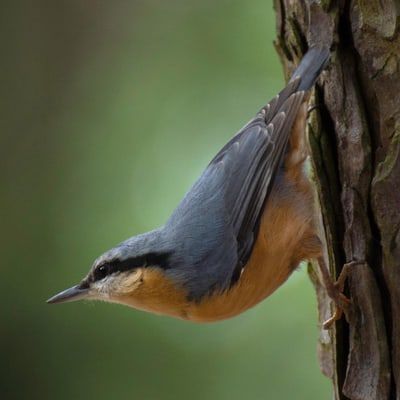
Wood nuthatch
Sitta europaea
In the city
Short-toed treecreepers can be found in parks, tree-lined roads, cemeteries and gardens, especially those with old trees. They build their nests in tree crevices or similar cavities, e.g. in buildings or walls.
Thanks to its excellent camouflage, it is very difficult to spot.
Fun Facts
It only ever climbs up a tree, never down. To that end, it circles the trunk in an upward spiral motion.
It can be seen in Germany all year round.
It feeds on insects. With its long pointed bill, it picks its prey out of fissures in the bark.
- Endangerment level Germany: not endangered
Sources
Habitus , Ben Fredericson, CC BY 2.0, https://commons.wikimedia.org/wiki/File:Certhia_brachydactyla_on_a_tree,_M%C3%BCnster,_Germany.jpg

Habitus , Ignacio García, CC BY 2.0, https://commons.wikimedia.org/wiki/File:The_littel_Short-toed_Treecreeper.jpg

Habitus , Francesco Veronesi, CC BY 2.0, https://commons.wikimedia.org/wiki/File:Short-toed_Treecreeper_-_Aosta_Valley_-_Italy.jpg

Witt, K. & Steiof, K. (2013) Rote Liste und Liste der Brutvögel von Berlin, 3. version, 15.11.2013. : Berliner Ornithologische Arbeitsgemeinschaft e.V. (eds.) Berliner Ornithologischer Bericht, volume 23, Berlin: Berliner Ornithologische Arbeitsgemeinschaft e.V., 1-23.
NABU – Naturschutzbund Deutschland e.V. (2016) Rote Liste der Brutvögel Deutschlands. 5. version, published August 2016, URL: https://www.nabu.de/tiere-und-pflanzen/voegel/artenschutz/rote-listen/10221.html (Accessed: 07.04.2017).
Fiedler, W. (2015) Die Vögel Mitteleuropas sicher bestimmen - Schlüssel zur Art-, Alters- und Geschlechtsbestimmung, Wiebelsheim: Quelle & Meyer Verlag.
Makatsch, W. (1989) Wir bestimmen die Vögel Europas, Leipzig: Neumann Verlag.
Voigt, A. (2006) Exkursionsbuch zum Studium der Vogelstimmen, Heidelberg: Quelle & Meyer Verlag.
Svensson, L. (2011) Der Kosmos Vogelführer - Alle Arten Europas, Nordafrikas und Vorderasiens, Stuttgart: Franckh Kosmos Verlag.
Harrison, C. (1975) Jungvögel, Eier und Nester aller Vögel Europas, Nordafrikas und des Mittleren Ostens - Ein Naturführer zur Fortpflanzungsbiologie, Hamburg und Berlin: Verlag Paul Parey.
NABU – Naturschutzbund Deutschland e.V. (n.d.) In Spiralen um den Baumstamm: der Waldbaumläufer, URL: https://www.nabu.de/tiere-und-pflanzen/aktionen-und-projekte/stunde-der-gartenvoegel/vogelportraets/03727.html (Accessed: 07.04.2017).