
Short Description
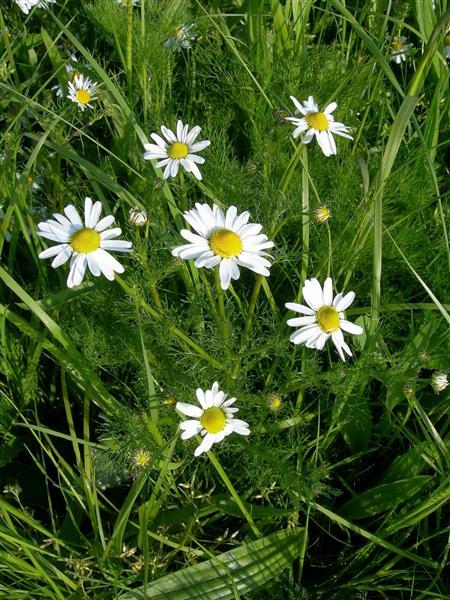
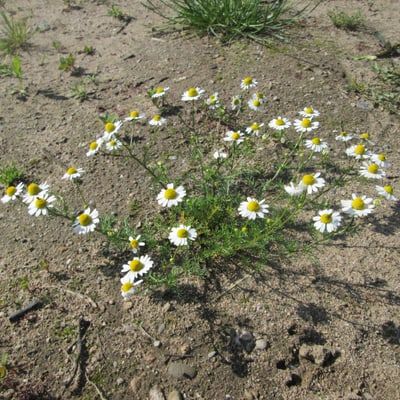
The scentless mayweed can grow over half a metre high. It is not fragrant.
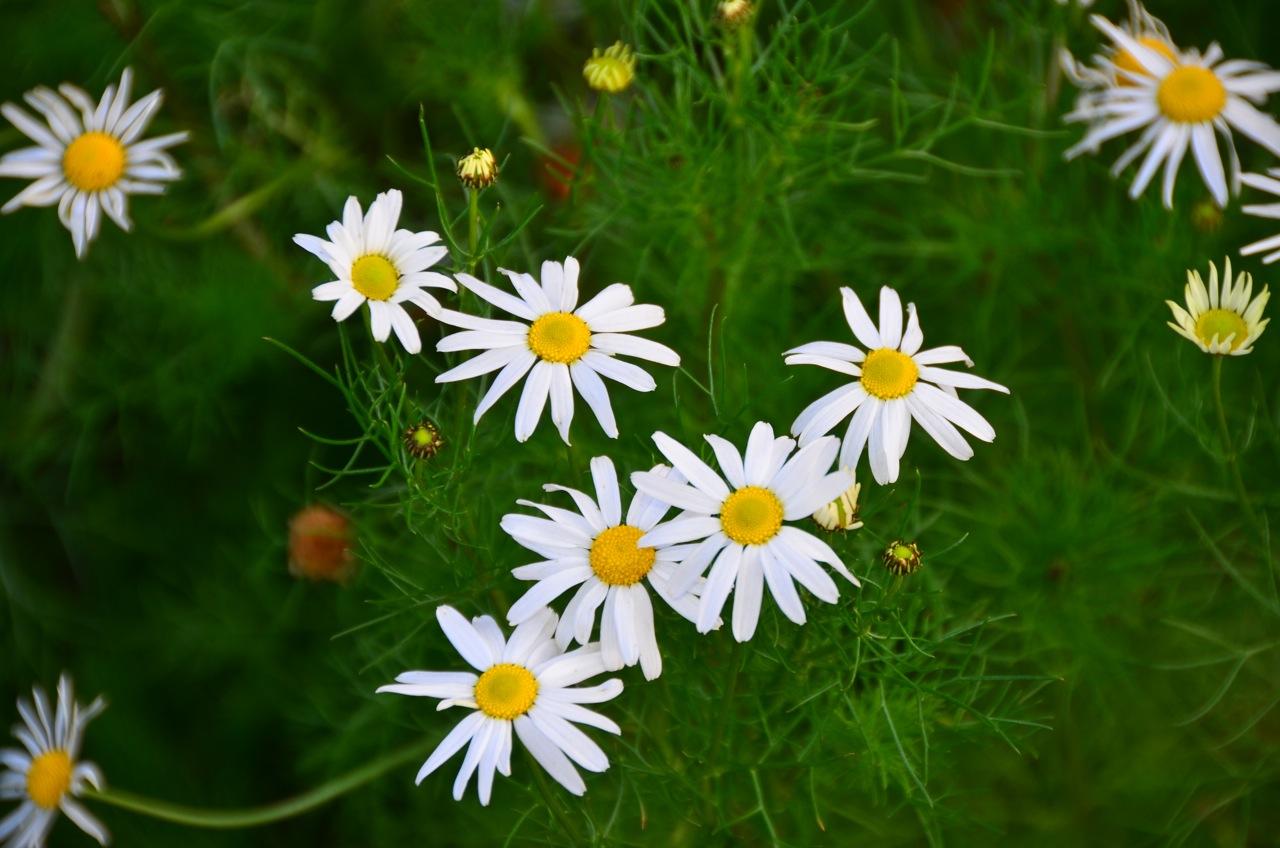
The leaves are slashed into long, very narrow, almost filiform lobes.
The stem is erect and richly branched with many flower heads.
At first glance, the flower head can be mistaken for the flower. The false flower consists of numerous individual white ray florets at the edge and yellow tubular florets in the centre.
The plant forms small, nut-like fruits.
Features
Scentless mayweed
Tripleurospermum inodorum
scentless
almost filiform leaves
Similar species
In the city
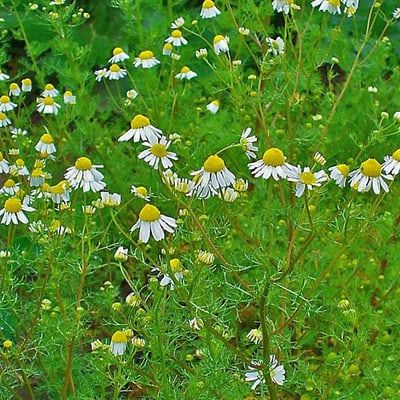
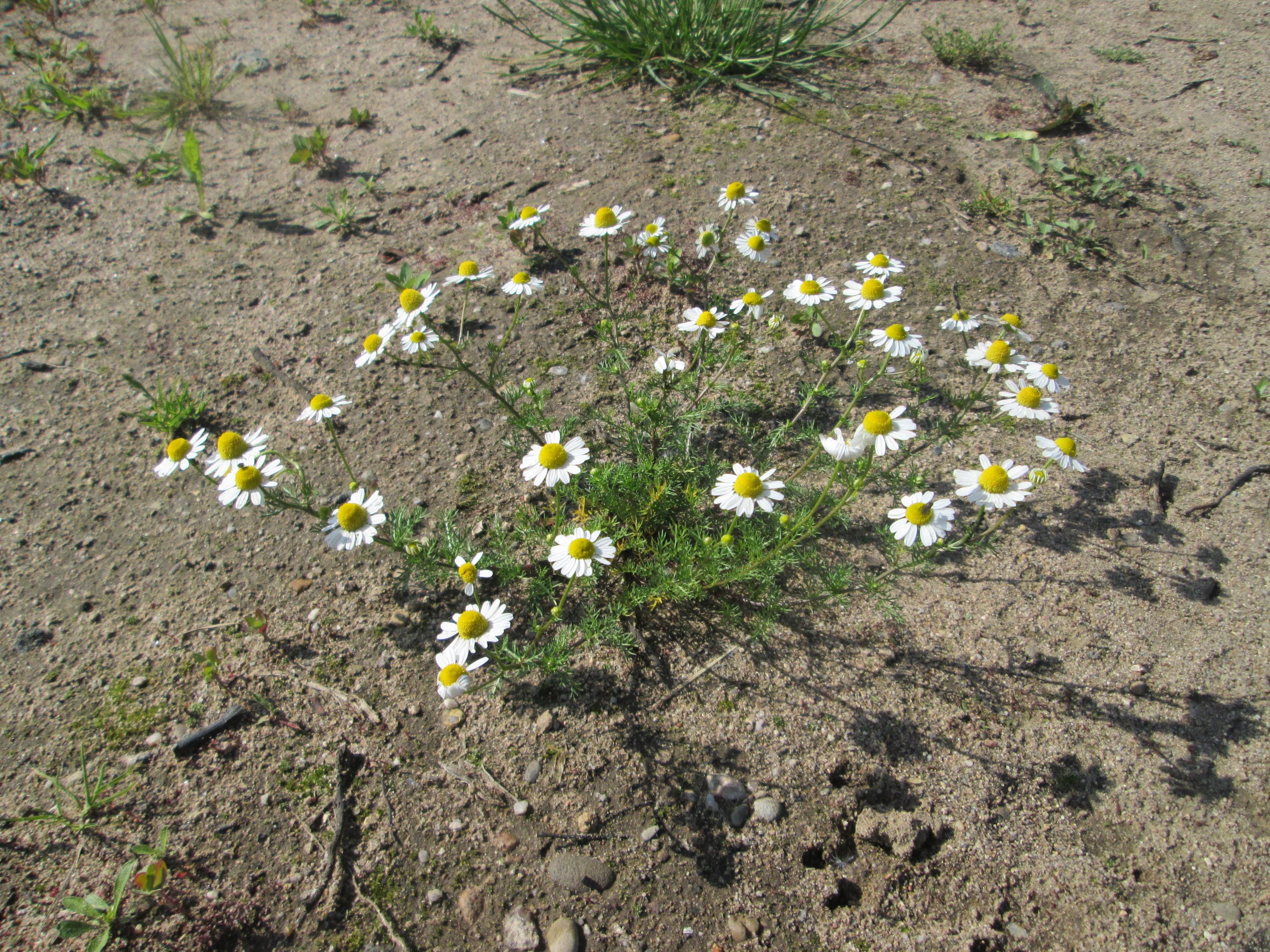
The scentless mayweed grows on rubble tips, fields and on paths and roadsides. It prefers nutrient-rich, mostly calcareous soils. It is widespread and often occurs in large stands at the sites.
Fun Facts
The flowering period is from June to October.
It is pollinated by insects.
It is an annual plant, i.e. it flowers for only one summer and dies after the seeds have ripened.
The seeds are spread by animals and wind.
- Endangerment level Germany: not evaluated
Sources
Habitus, Mary and Angus Hogg, CC BY-SA 2.0, https://commons.wikimedia.org/wiki/File:Scentless_Mayweed_(Tripleurospermum_inodorum)_-_geograph.org.uk_-_424734.jpg
_-_geograph.org.uk_-_424734.jpg)
Habitus, AnRo0002, CC0, https://commons.wikimedia.org/wiki/File:20180518Tripleurospermum_inodorum2.jpg

Blütenstand, Radio Tonreg, CC BY-SA 2.0, https://commons.wikimedia.org/wiki/File:Tripleurospermum_inodorum_(8236698861).jpg
.jpg)
Spohn, M., Golte-Bechtle, M. & Spohn, R. (2015) Was blüht denn da? Stuttgart: Franckh Kosmos Verlag.
Schauer, T., Caspari, C. & Caspari, S. (2015) Der illustrierte BLV-Pflanzenführer für unterwegs. 1150 Blumen, Gräser, Bäume und Sträucher, München: BLV.
Kammer, P. M. (2016) Pflanzen einfach bestimmen. Schritt für Schritt einheimische Arten kennenlernen, Bern: Haupt Verlag.
Seitz, B., Ristow, M., Meißner, J., Machatzi, B. & Sukopp, H. (2018) Rote Liste und Gesamtartenliste der etablierten Farn- und Blütenpflanzen von Berlin. : Der Landesbeauftragte für Naturschutz und Landschaftspflege / Senatsverwaltung für Umwelt, Klima und Verkehr (eds.) Rote Listen der gefährdeten Pflanzen, Pilze und Tiere von Berlin, URL: https://www.berlin.de/sen/uvk/natur-und-gruen/naturschutz/artenschutz/artenlisten-rote-listen/farn-und-bluetenpflanzen/ (Accessed: 26.03.2021).
Page „Geruchlose Kamille“. : Wikipedia, The Free Encyclopedia. Date of last revision: 17.03.2018, 11:44 UTC. URL: https://de.wikipedia.org/w/index.php?title=Geruchlose_Kamille&oldid=175099616 (Accessed: 18.09.2018).
Bundesamt für Naturschutz (n.d.) Artensteckbriefe, URL: http://floraweb.de/pflanzenarten/artenhome.xsql?suchnr=20061& (Accessed: 18.09.2018).