
Short Description
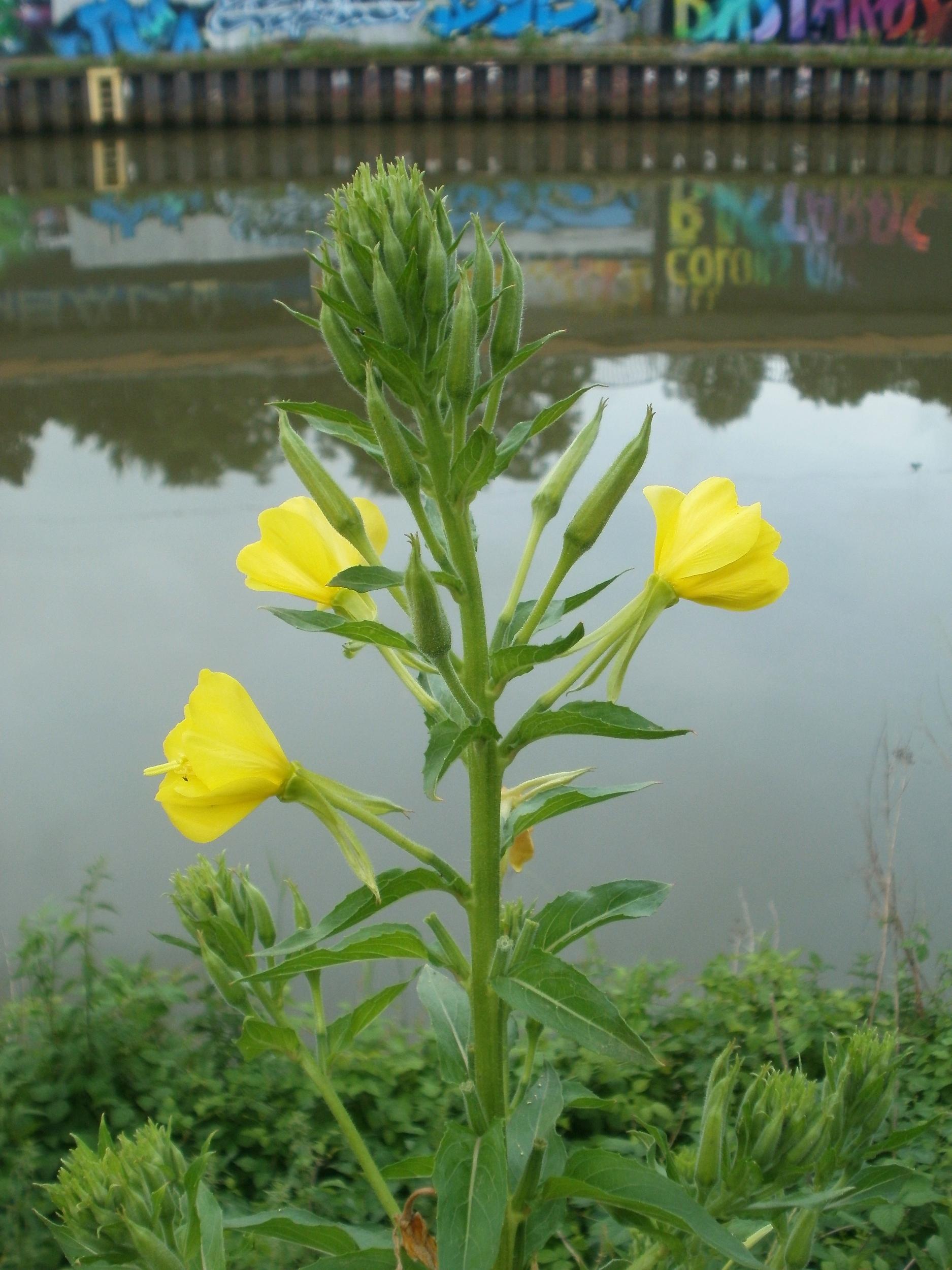
The common evening primrose can grow to a height of two metres.
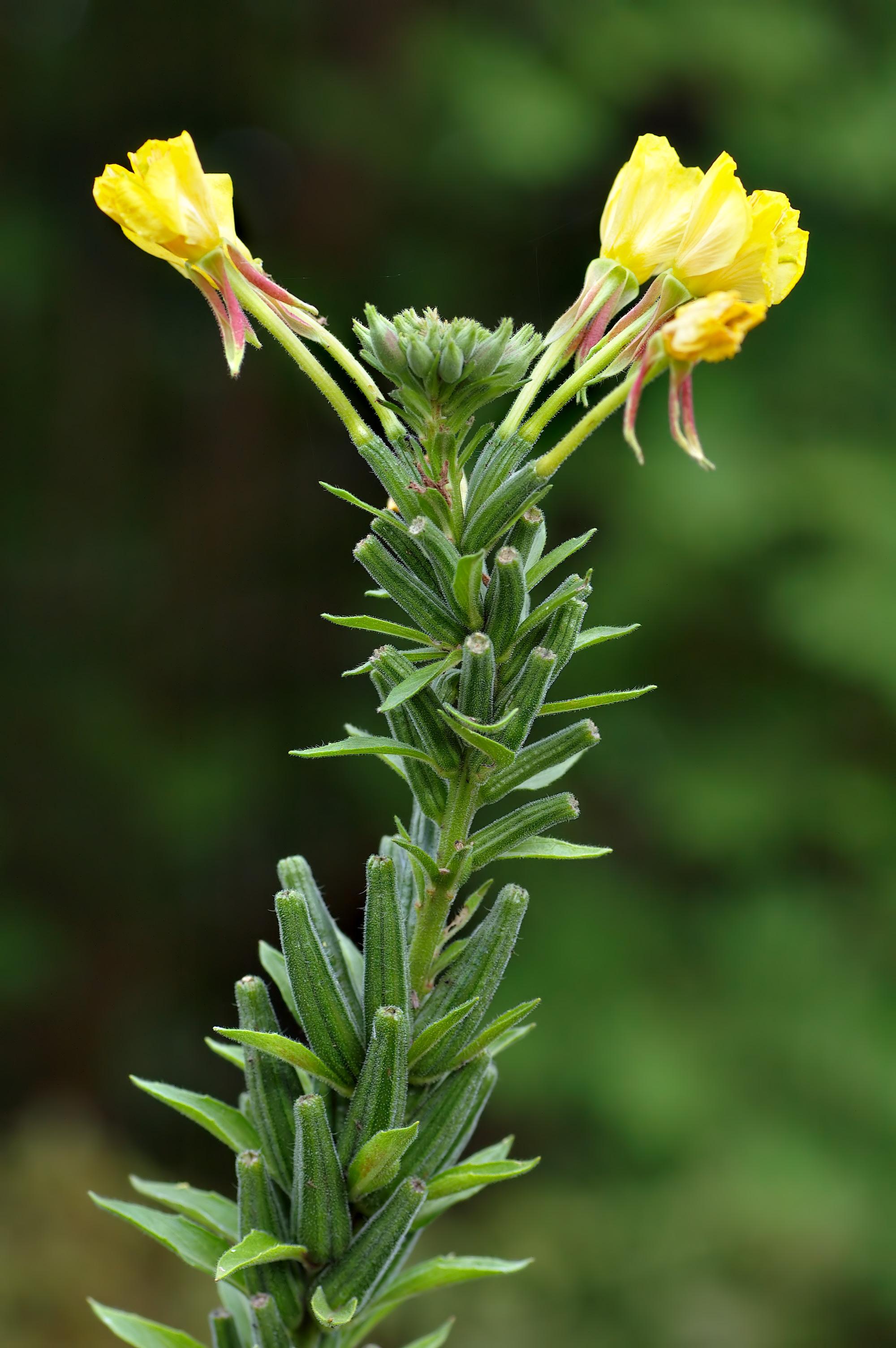
The leaves are in the form of a rosette close to the ground in the first year and alternate on the stem in the second. They are lanceolate to elliptical and pointed.
The stem is upright and can be tinged with red.
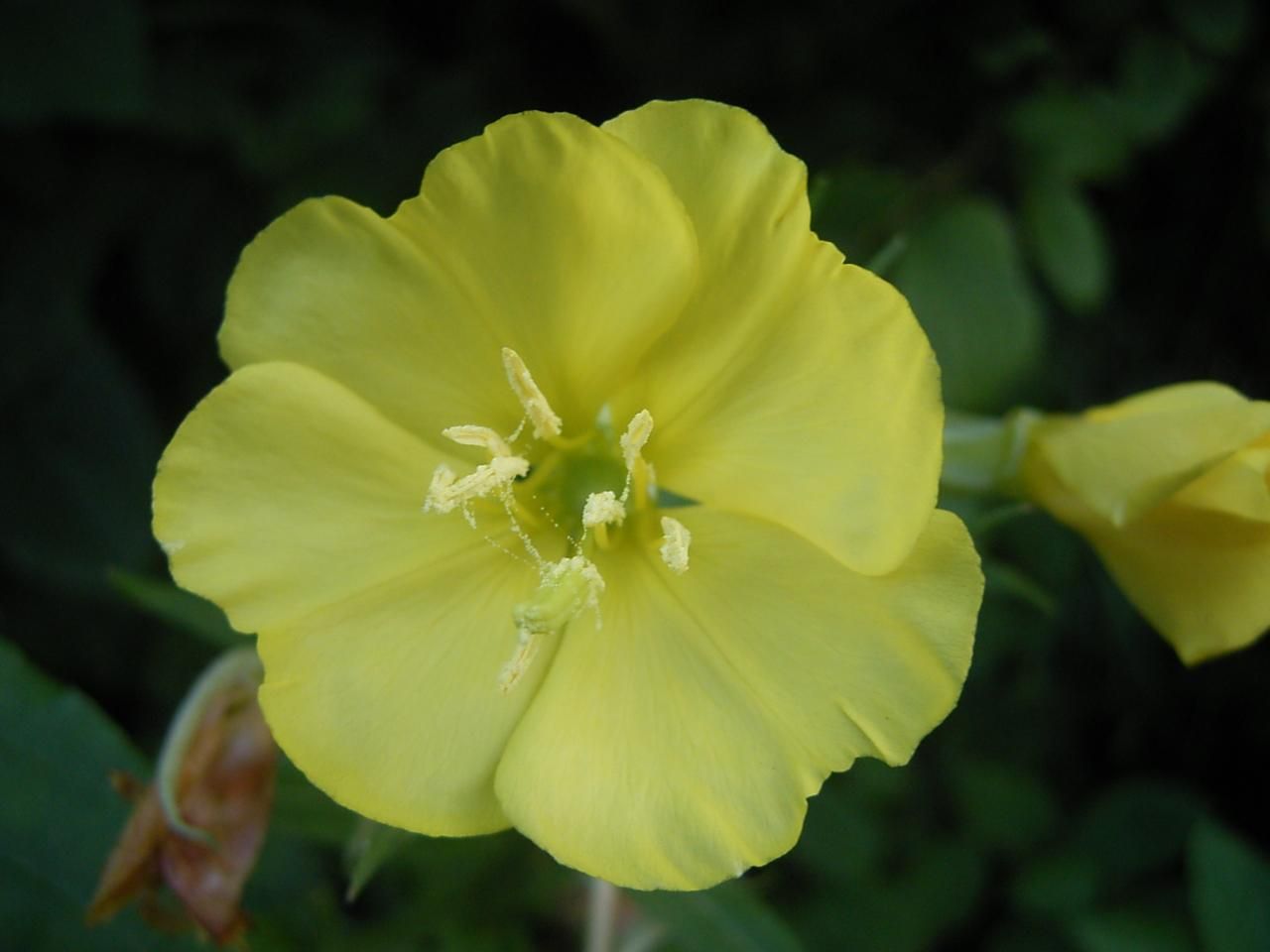
The stem is upright and can be tinged with red. The flowers are yellow with four petals. The pollen of the flowers is connected by very fine spiderweb-like threads.
The fruit is a capsule with glandular hairs.
Features
Common evening primrose
Oenothera biennis
yellow flowers with four petals
strong scent in the evening
In the city
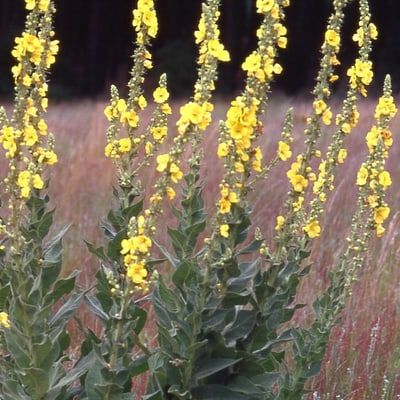
In an urban environment, the common evening primrose grows along paths, in gravel and sand pits and areas alongside railway tracks. It prefers dry and moderately nutrient-rich sites with chalky soil.
Fun Facts
Numerous parts of the plant are used in medicine and the cosmetics industry. It is used to treat respiratory tract disorders, skin disorders and liver damage.
The flowers open in the evening and emit a strong sweet smell during the night. By the next morning, they are withered.
The Latin name Oenothera biennis refers to a collective species comprising 13 microspecies. All of the microspecies are closely related and very similar.
It flowers from June to September.
- Endangerment level Germany: not evaluated
The common evening primrose originates from North America and was brought to Europe as an ornamental plant in the 17th century. It is a non-native species (neophytes).
Flowers, roots and young shoots can be eaten raw.
Sources
Habitus, AnRo0002, CC0, https://commons.wikimedia.org/wiki/File:20120621Staden_Saarbruecken20.jpg

Blüte, TeunSpaans, CC BY-SA 3.0, https://commons.wikimedia.org/wiki/File:Middelste_teunis_bloem_R0011876.JPG

Blütenstand, André Karwath aka Aka, CC BY-SA 2.5, https://commons.wikimedia.org/wiki/File:Oenothera_x_hoelscheri_-_blossom_(aka).jpg
.jpg)
Spohn, M., Golte-Bechtle, M. & Spohn, R. (2015) Was blüht denn da? Stuttgart: Franckh Kosmos Verlag.
Fleischhauer, S. G., Guthmann, J. & Spiegelberger, R. (2007) Essbare Wildpflanzen. 200 Arten bestimmen und verwenden, Baden und München: AT Verlag.
Needon, C. & Petermann, J. (1991) Urania-Naturführer Pflanzen, Leipzig, Jena, Berlin: Urania-Verlag.
Schauer, T., Caspari, C. & Caspari, S. (2015) Der illustrierte BLV-Pflanzenführer für unterwegs. 1150 Blumen, Gräser, Bäume und Sträucher, München: BLV.
Page „Gemeine Nachtkerze“. : Wikipedia, The Free Encyclopedia. Date of last revision: 25.11.2016, 20:22 UTC. URL: https://de.wikipedia.org/w/index.php?title=Gemeine_Nachtkerze&oldid=160067208 (Accessed: 08.12.2016).