
Short Description
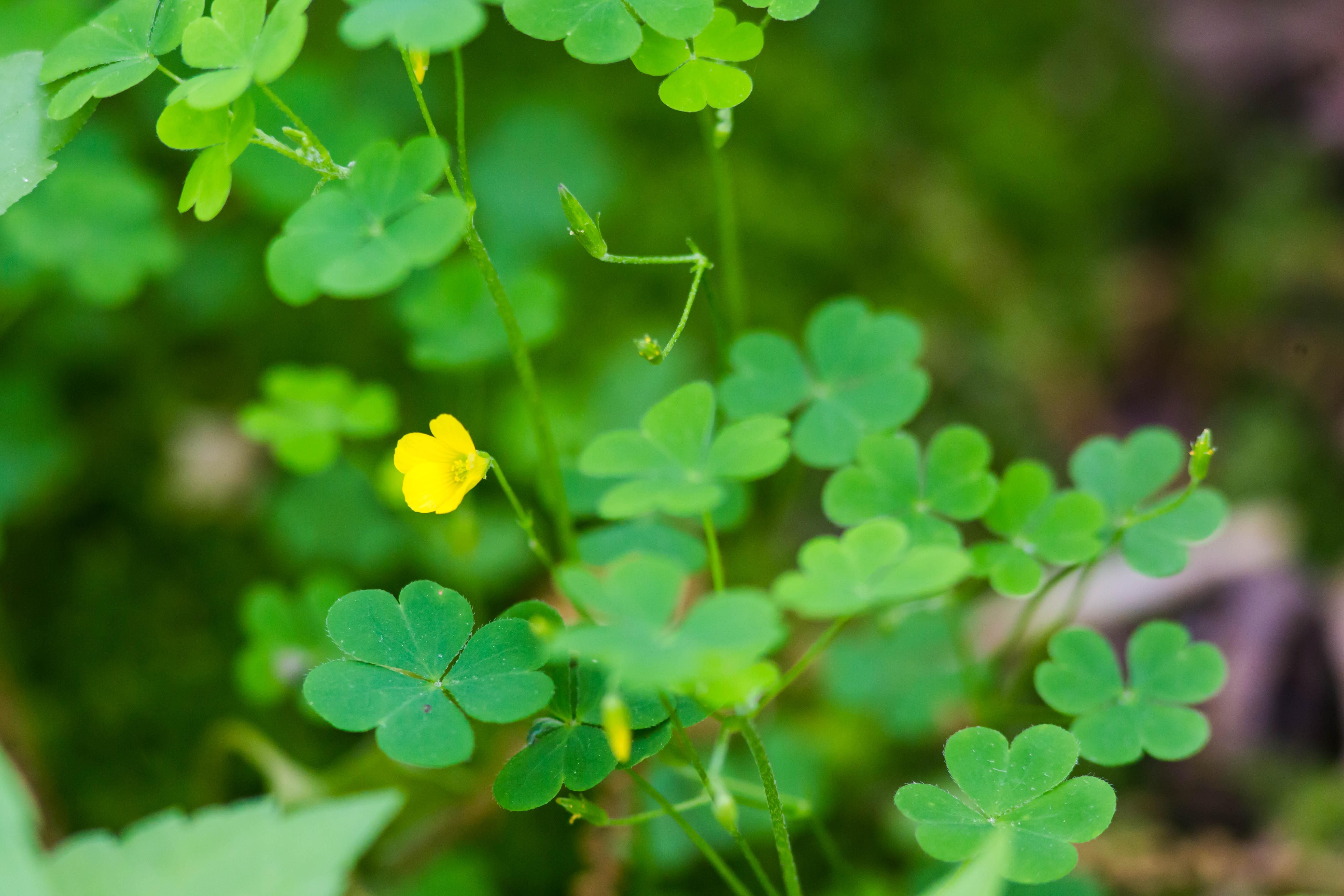
The slender yellow woodsorrel can grow up to 20 centimetres tall.
The green to reddish leaves are divided into three heart-shaped leaflets (pinnate). They look like typical clovers. The leaf stalks are grey-green hairy.
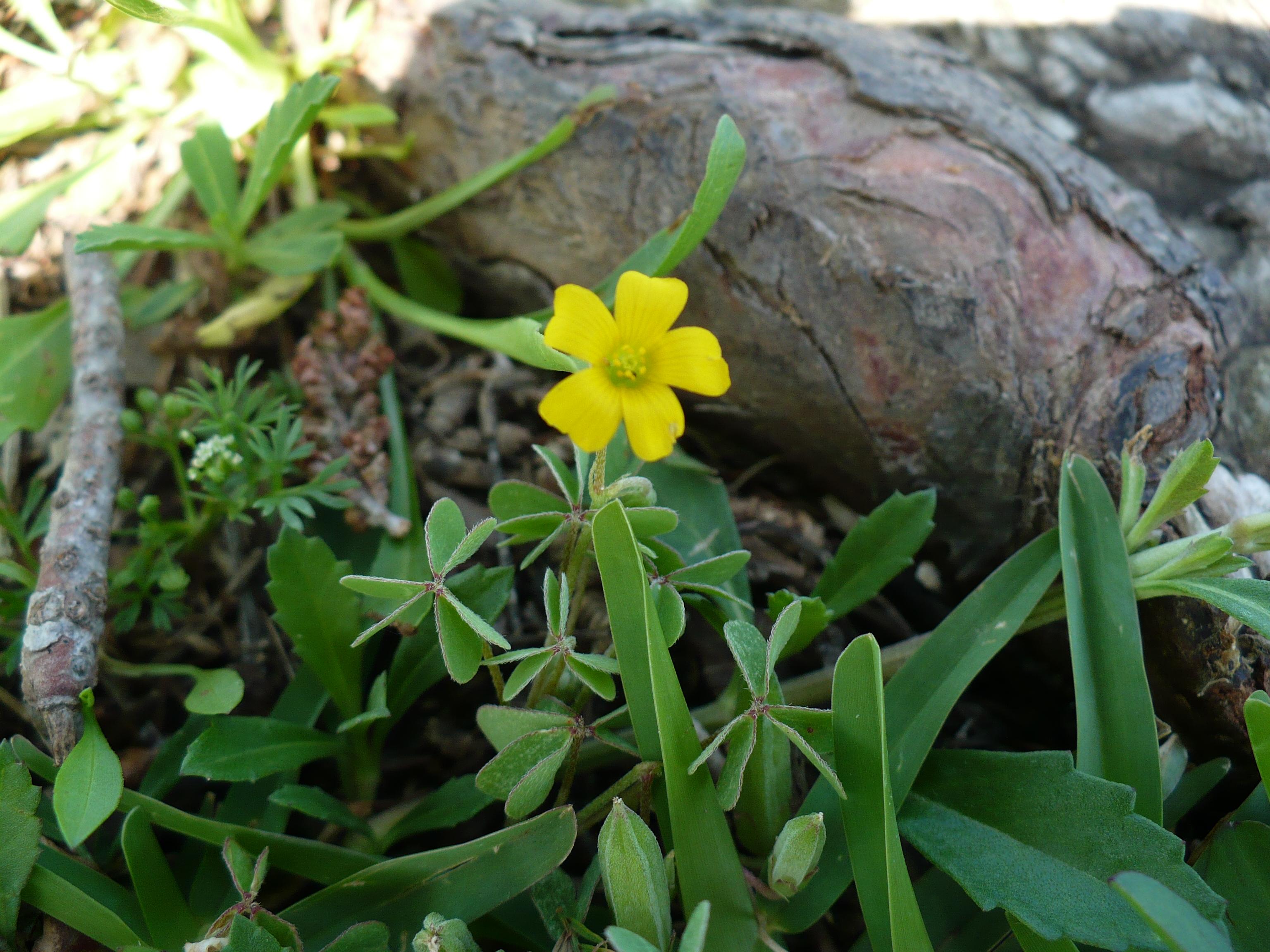
The stem grows upright and is usually richly branched in the lower part. It has grey-green hairs.
The light yellow flowers have five petals arranged in a circle.
The fruits are elongated, hairy capsule fruits. The seeds are reddish with white transverse ribs.
Features
Slender yellow woodsorrel
Oxalis dillenii
typical cloverleaf
grey-green hairy stems and petioles

In the city
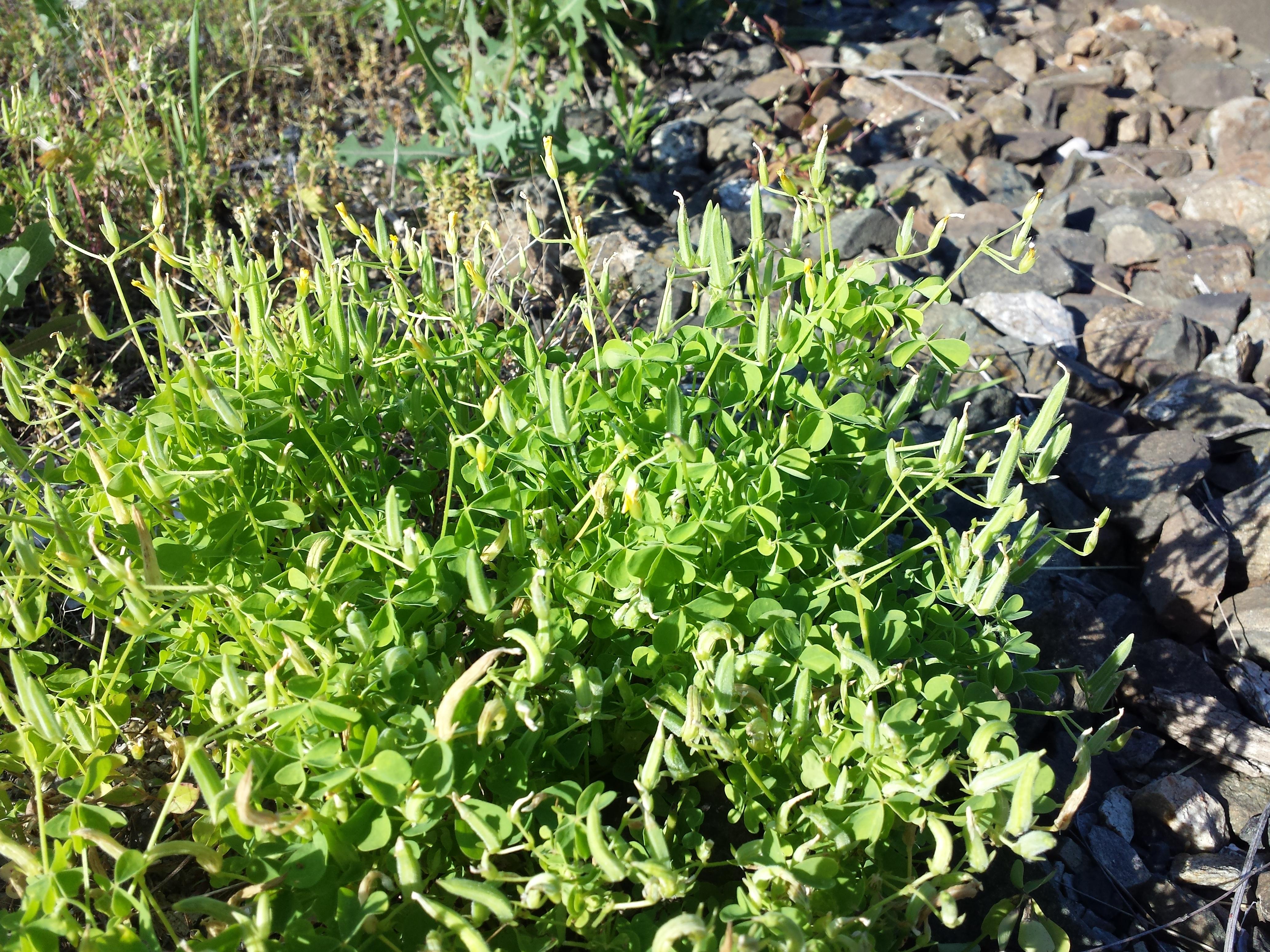
Slender yellow woodsorrel prefers nutrient-rich, moderately dry to fresh soils. In the city, it grows in fields, cemeteries, rubble tips, along roadsides and in gardens.
Fun Facts
The leaflets often fold up.
The ripe fruits are under pressure and open explosively when touched.
The flowering period is from July to October.
It was first detected in Berlin in 1961.
- Endangerment level Germany: not evaluated
Slender yellow woodsorrel originates from North America and was probably first brought to Germany via the Mediterranean region in the 19th century. It belongs to the non-native plants (neophytes).
The leaves contain oxalic acid, which removes calcium from the body.
Sources
Blüte und Blätter, Melissa McMasters, CC-BY-SA 2.0, https://commons.wikimedia.org/wiki/File:Oxalis_dillenii_(16982149333).jpg
.jpg)
Habitus, Stefan.lefnaer, CC BY-SA 4.0, https://commons.wikimedia.org/wiki/File:Oxalis_dillenii_sl3.jpg

Habitus, abbamouse, CC BY-SA 2.0, https://www.flickr.com/photos/abbamouse/2443358533
Page „Dillenius’ Sauerklee“. : Wikipedia, The Free Encyclopedia. Date of last revision: 06.06.2018, 18:19 UTC. URL: https://de.wikipedia.org/w/index.php?title=Dillenius%E2%80%99_Sauerklee&oldid=178090361 (Accessed: 16.08.2018).