
Short Description
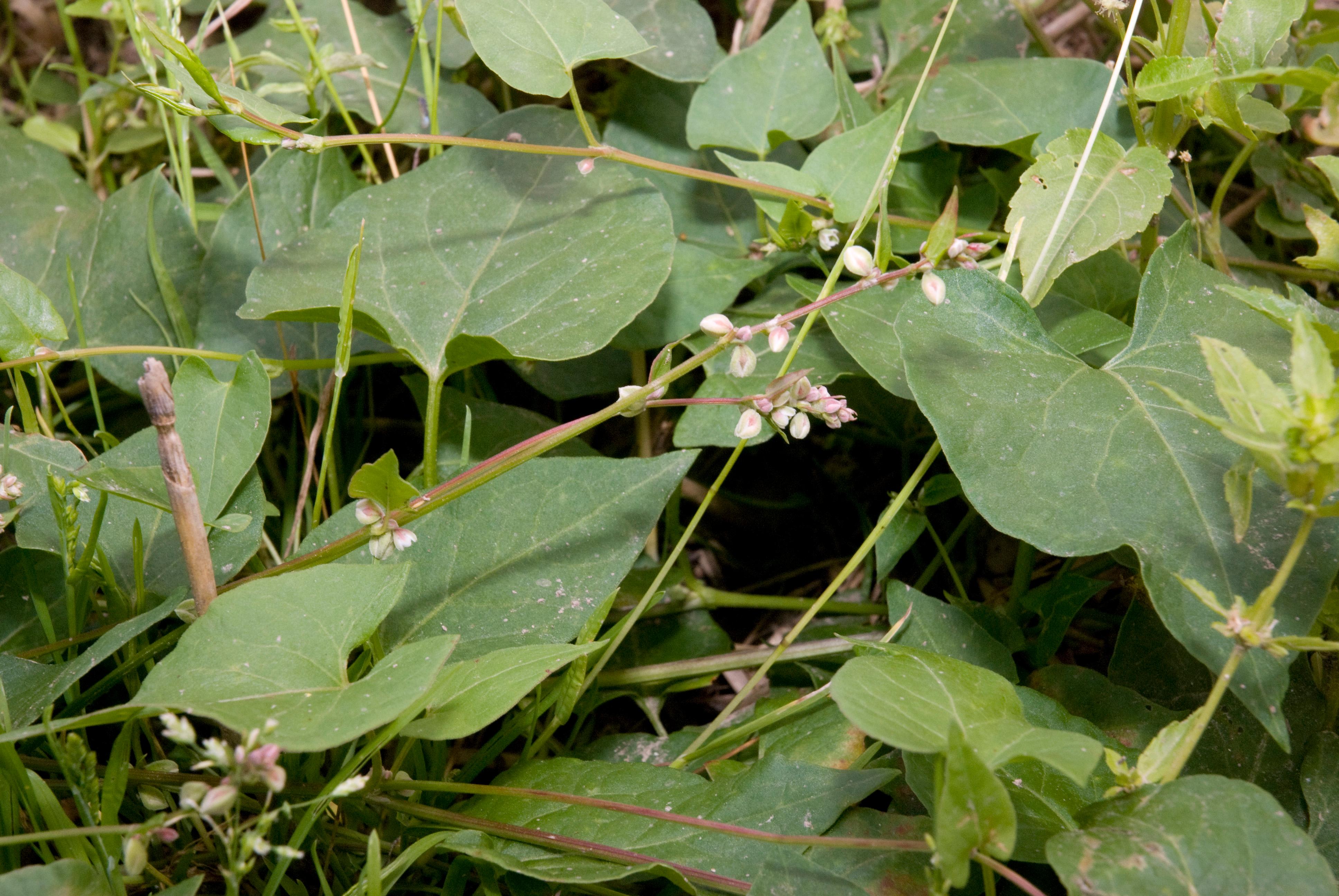
Black bindweed grows creeping or climbing and can get up to 120 inches long.
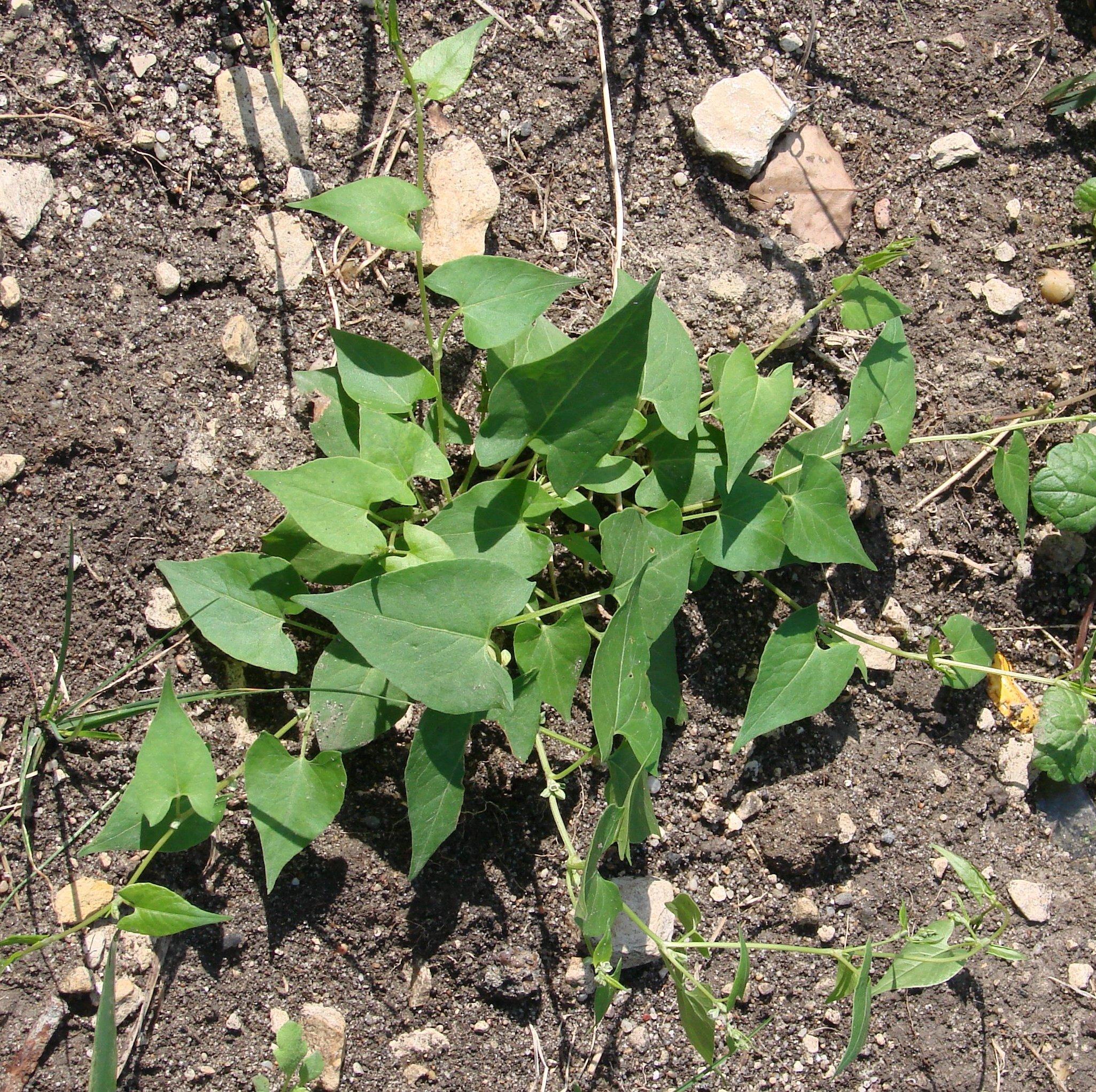
The leaves are spear or arrow shaped. They are green with a light purple tinge. The tip of the leaf is often inclined downwards.
The stem is angular and rough.
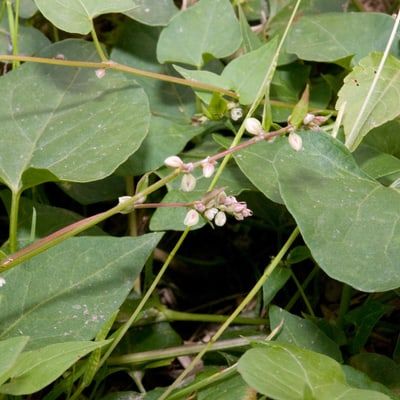
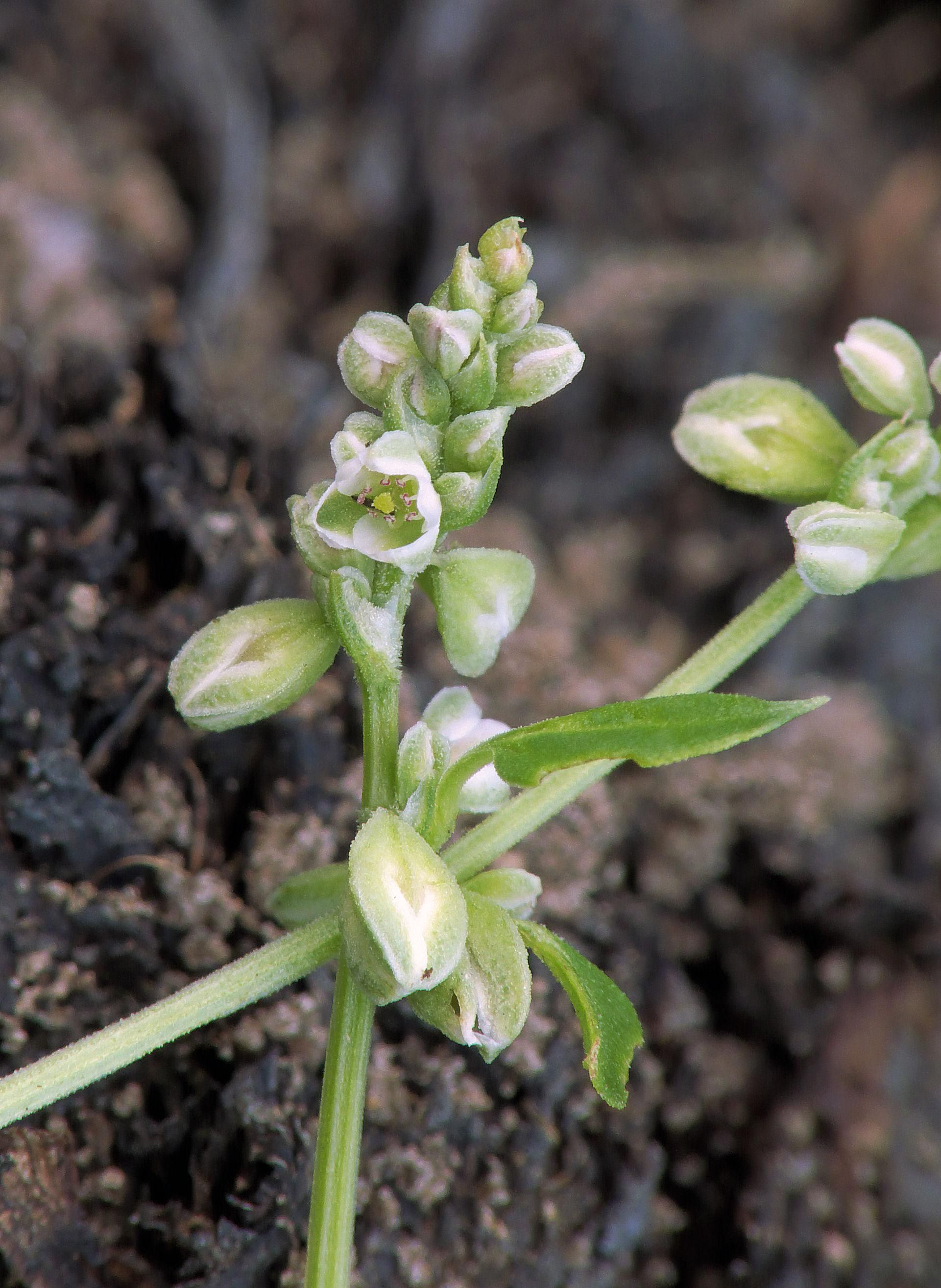
The inconspicuous flowers are small and greenish white or reddish tinged. They grow in clusters in elongated and narrow inflorescences.
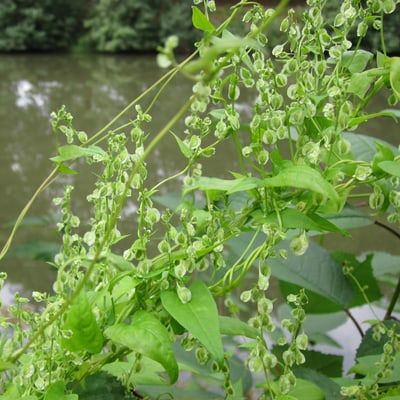
The fruits are black, dull nuts. They are three-sided and ovoid.
Features
Black bindweed
Fallopia convolvulus
arrow-shaped leaves
angular stem
In the city
In the city, the black bindweed is found in fields, gardens and rubble areas. It has no special site requirements. However, it is often found on slightly acidic, sandy, loamy or humic soils. Because it roots deep in the soil, it is not sensitive to drought.
Fun Facts
For farmers, the plant is a troublesome weed because it pulls down and smothers grain stalks.
The seeds are flushed out by rainwater and dispersed or spread with the grain seed.
The flowering period is from July to October.
It is an annual, which means that the plant flowers for only one summer and dies after the seeds mature.
- Endangerment level Germany: not endangered
The home of the black bindweed extends over large parts of Eurasia. It is also native to North Africa. In North and South America, Australia, New Zealand and South Africa, it has become naturalized as a non-native plant (neophyte).
The leaves are part of traditional Mediterranean diets and are believed to have cell-protective properties.
Sources
Habitus, Olivier Pichard, CC BY-SA 3.0, https://commons.wikimedia.org/wiki/File:Fallopia_convolvulus_vallee-de-grace-amiens_80_21072007_2.jpg

Blätter, Aung, PD, https://commons.wikimedia.org/wiki/File:Fallopia_convolvulus1pl.jpg

Blüte und unreife Früchte, Rasbak, CC BY-SA 3.0, https://commons.wikimedia.org/wiki/File:Fallopia_convolvulus_inflorescence,_Zwaluwtong_bloeiwijze.jpg

Kammer, P. M. (2016) Pflanzen einfach bestimmen. Schritt für Schritt einheimische Arten kennenlernen, Bern: Haupt Verlag.
Spohn, M., Golte-Bechtle, M. & Spohn, R. (2015) Was blüht denn da? Stuttgart: Franckh Kosmos Verlag.
Page „Windenknöterich“. : Wikipedia, The Free Encyclopedia. Date of last revision: 14.08.2017, 14:09 UTC. URL: https://de.wikipedia.org/w/index.php?title=Windenkn%C3%B6terich&oldid=168148731 (Accessed: 26.07.2018).