
Short Description
The common nettle can grow up to two metres high.
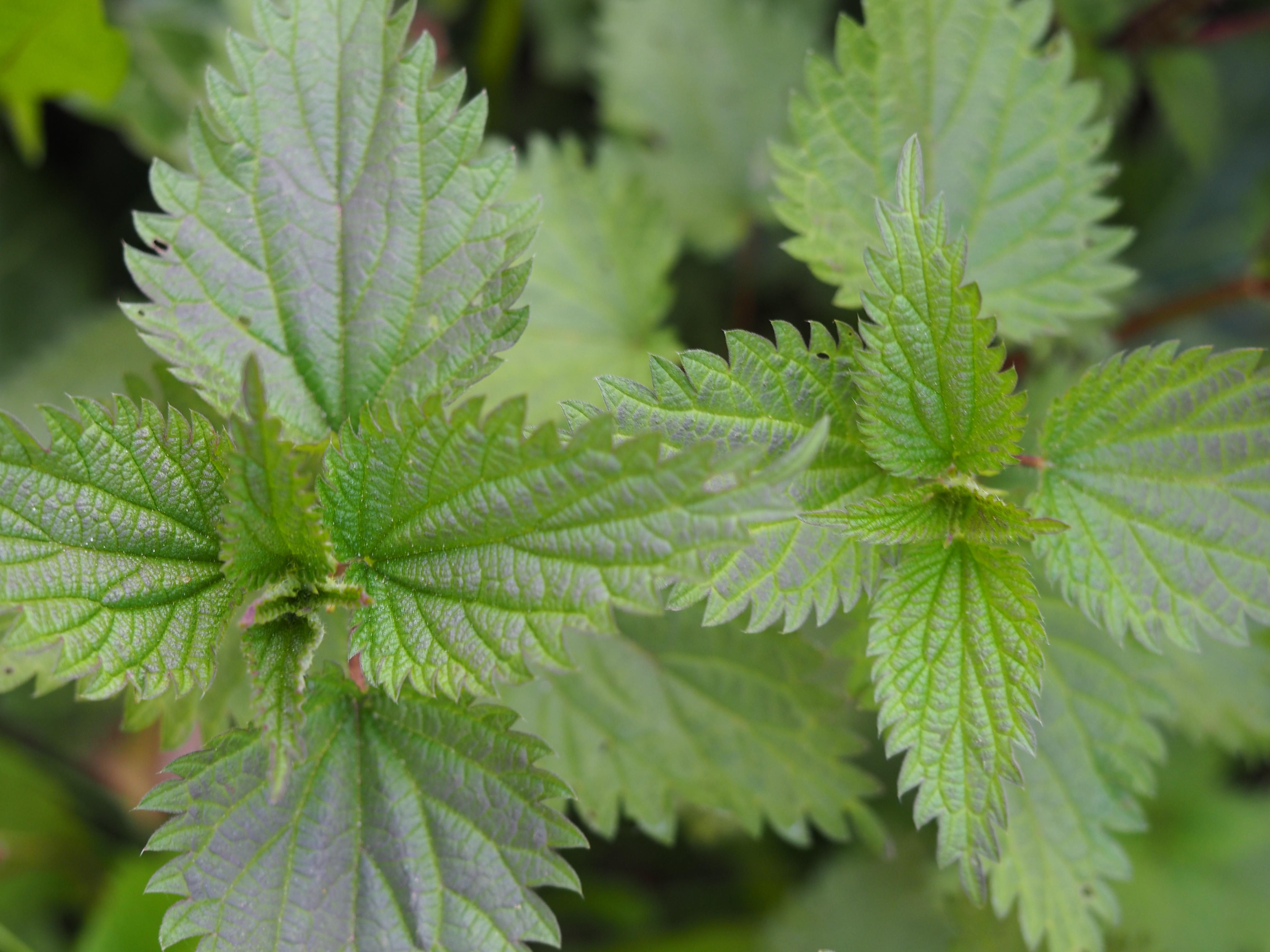
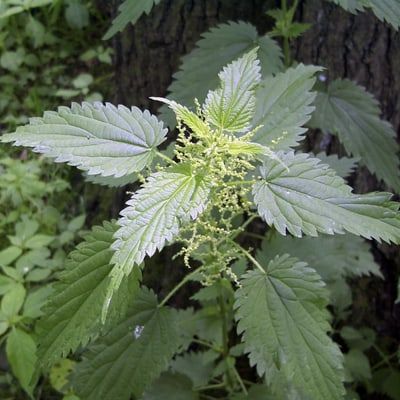
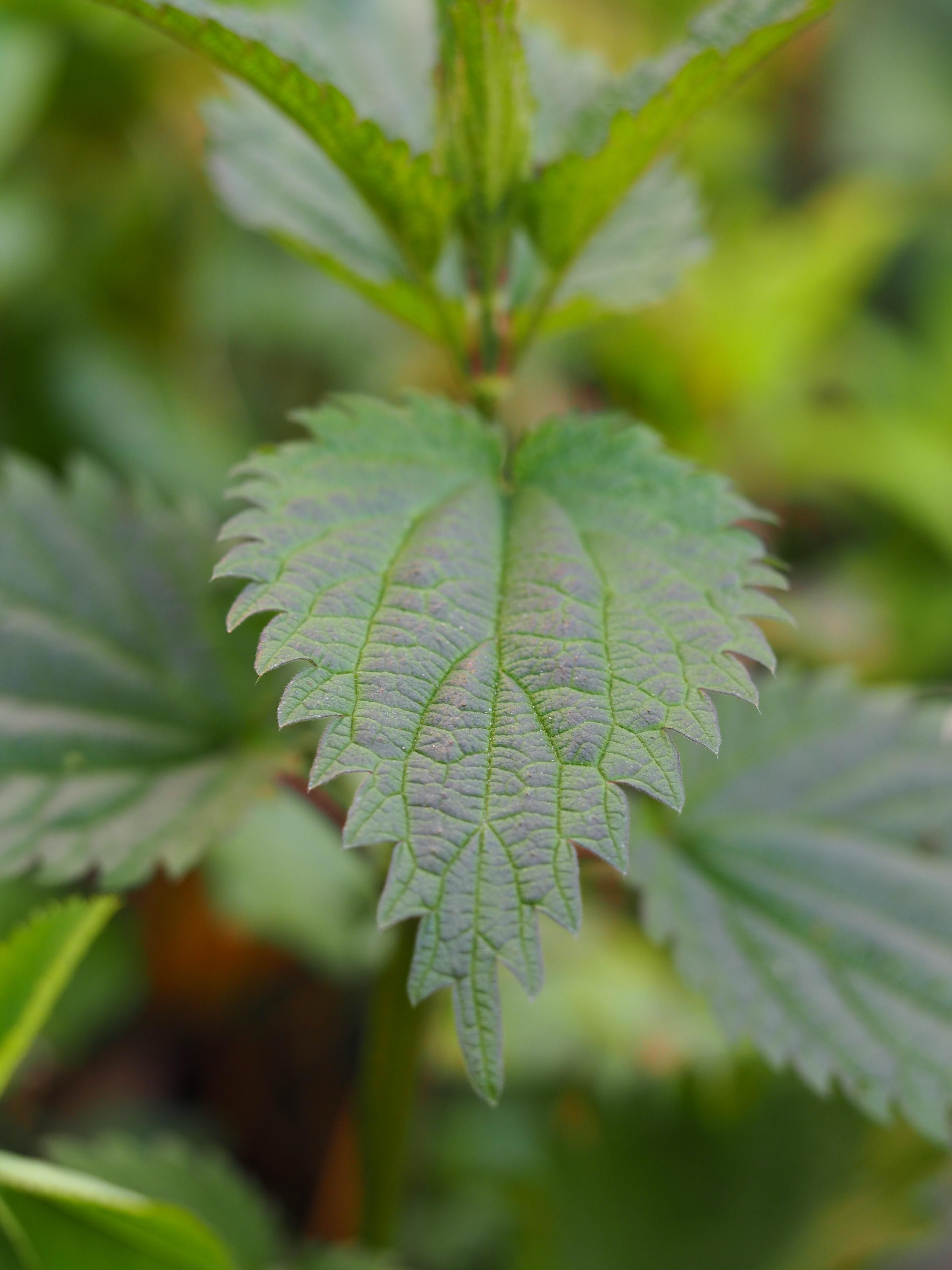
The leaves are oval, long-pointed and up to 20 cm long. They are opposite each other. They are matt and hairy. The leaf margins are coarsely serrated. There are two small stipules at the base of the stem.
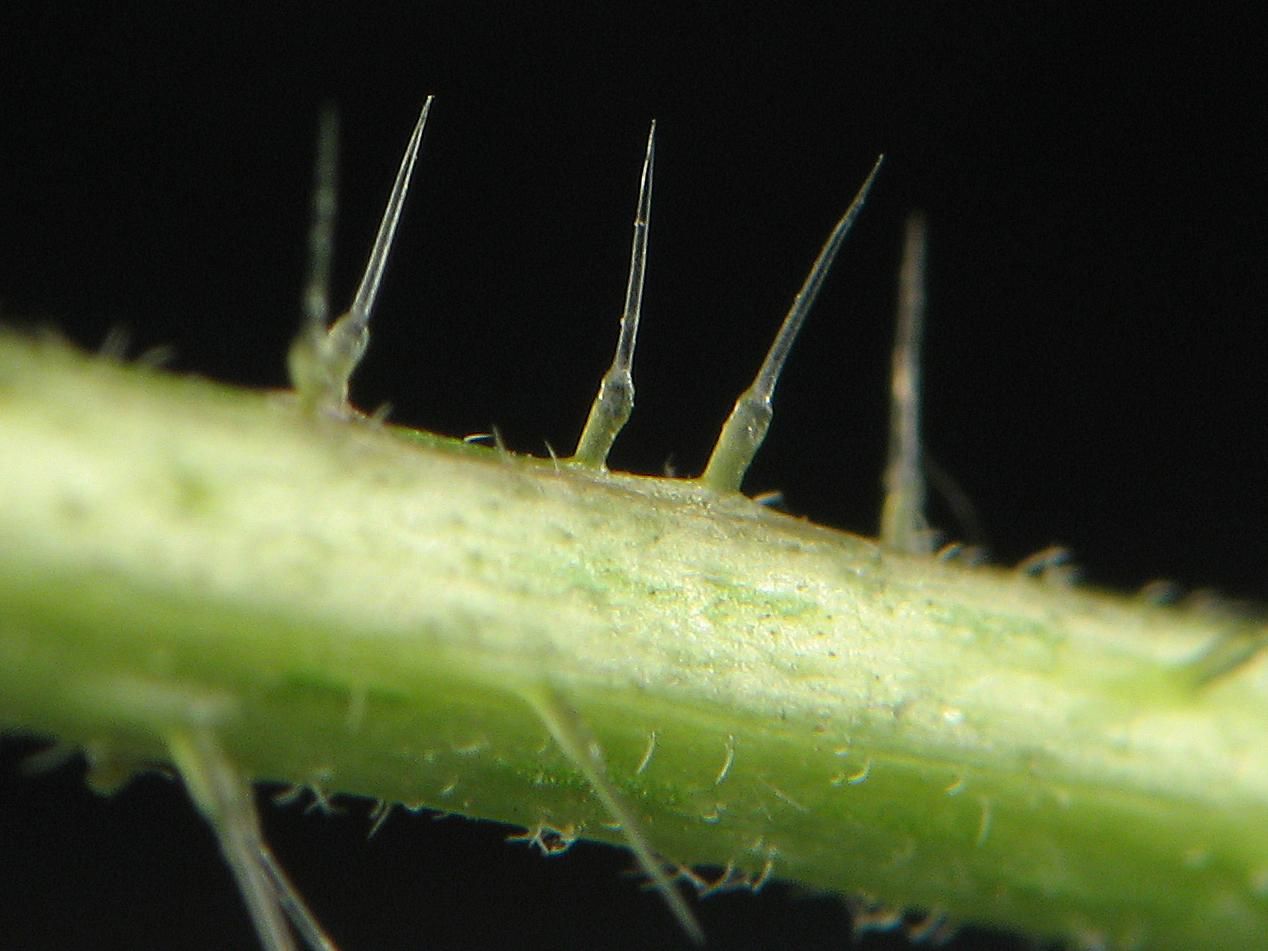
The stem of the stinging nettle is scattered with stinging hairs. It survives with underground shoots from which it sprouts in spring from March onwards.
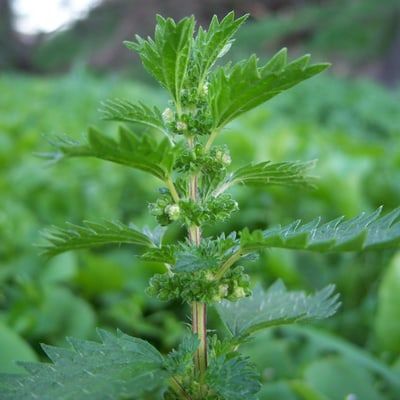
The common nettle is dioecious , i.e. male and female flowers grow on different plants. The flower heads are inconspicuous and greenish in colour.
The fruit is an oval nut fruit approx. 0.1 cm in size.
Features
Common nettle
Urtica dioica
pointed leaves
In the city
Although by nature a partial shade plant, it also grows in bright sunlight along paths and in little-mown lawns. However, it does require sufficient water.
Humans ensure nitrogen enrichment of the soil along the roadside by urinating there. This allows the nettle to proliferate particularly well.
Fun Facts
The familiar stinging sensation occurs when the tips of the stinging hairs (trichomes) break off, releasing a mixture of substances into the minute skin wound.
Nettles can be prepared similar to spinach, as a salad or as a tea. They have a nutty taste. The roasted or dried seeds can be used as flavouring.
The nettle no longer stings when it is wet or processed.
Pollination takes place with the wind.
In Europe, it used to be frequently cultivated for its textile fibres. This decreased with the import of cotton in the 18th century.
It is a perennial plant. This means that the plant lives for more than two years, but flowers only once and dies after the seeds have ripened.
The various subspecies also include some without stinging hairs.
It flowers from July to October.
- Endangerment level Germany: not endangered
- Usage:
Its stinging hairs are used in the treatment of rheumatism.
Boiled and pickled nettle leaves were formerly used in cheese production as milk curdling agents.
Sources
Blätter, Alice Kracht, CC BY-SA 4.0, https://offene-naturfuehrer.de/web/Datei:Urtica_dioica_(16).JPG
.JPG)
Brennhaare, Jerome Prohaska, CC BY-SA 3.0, https://commons.wikimedia.org/wiki/File:Urtica_dioica_stinging_hair.jpg

Blätter, Alice Kracht, CC BY-SA 4.0, https://offene-naturfuehrer.de/web/Datei:Urtica_dioica_(2).JPG
.JPG)
Wohlers, W. (2014) Urtica dioica – Große Brenn-Nessel (JKI-Pflanzenportraits)], URL: https://offene-naturfuehrer.de/web/Urtica_dioica_%E2%80%93_Gro%C3%9Fe_Brenn-Nessel_(JKI-Pflanzenportraits) (Accessed: 12.05.2016).
Page „Große Brennnessel“. : Wikipedia, The Free Encyclopedia. Date of last revision: 29.05.2016, 20:22 UTC. URL: https://de.wikipedia.org/w/index.php?title=Gro%C3%9Fe_Brennnessel&oldid=154810727 (Accessed: 13.07.2016).
Fleischhauer, S. G., Guthmann, J. & Spiegelberger, R. (2007) Essbare Wildpflanzen. 200 Arten bestimmen und verwenden, Baden und München: AT Verlag.
Lippert, W. & Podlech, D. (1993) GU Naturführer. Blumen: die wichtigen Blütenpflanzen Mitteleuropas erkennen und bestimmen, München: Gräfe und Unzer Verlag.
Needon, C. & Petermann, J. (1991) Urania-Naturführer Pflanzen, Leipzig, Jena, Berlin: Urania-Verlag.
Scherf, G. (2006) Wildpflanzen neu entdecken, München: BLV.
Bundesamt für Naturschutz (n.d.) Artensteckbriefe, URL: http://floraweb.de/pflanzenarten/artenhome.xsql?suchnr=6145& (Accessed: 13.07.2016).