
Short Description
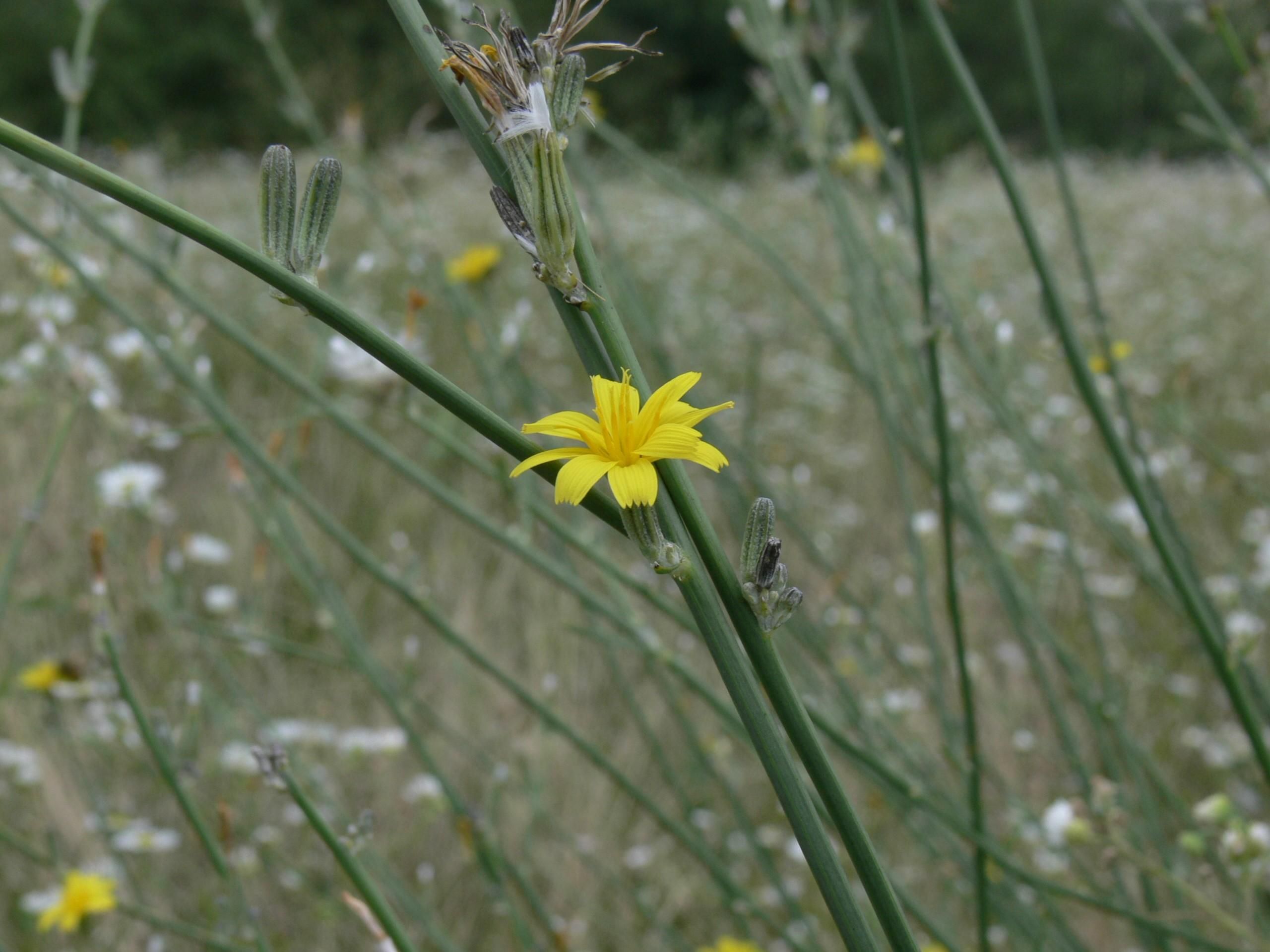
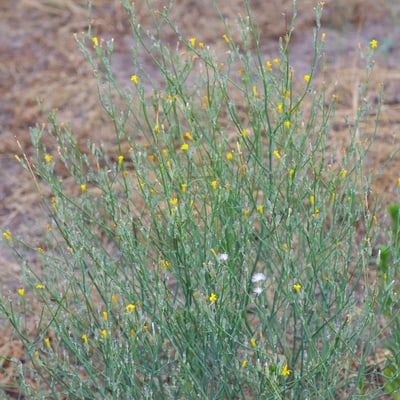
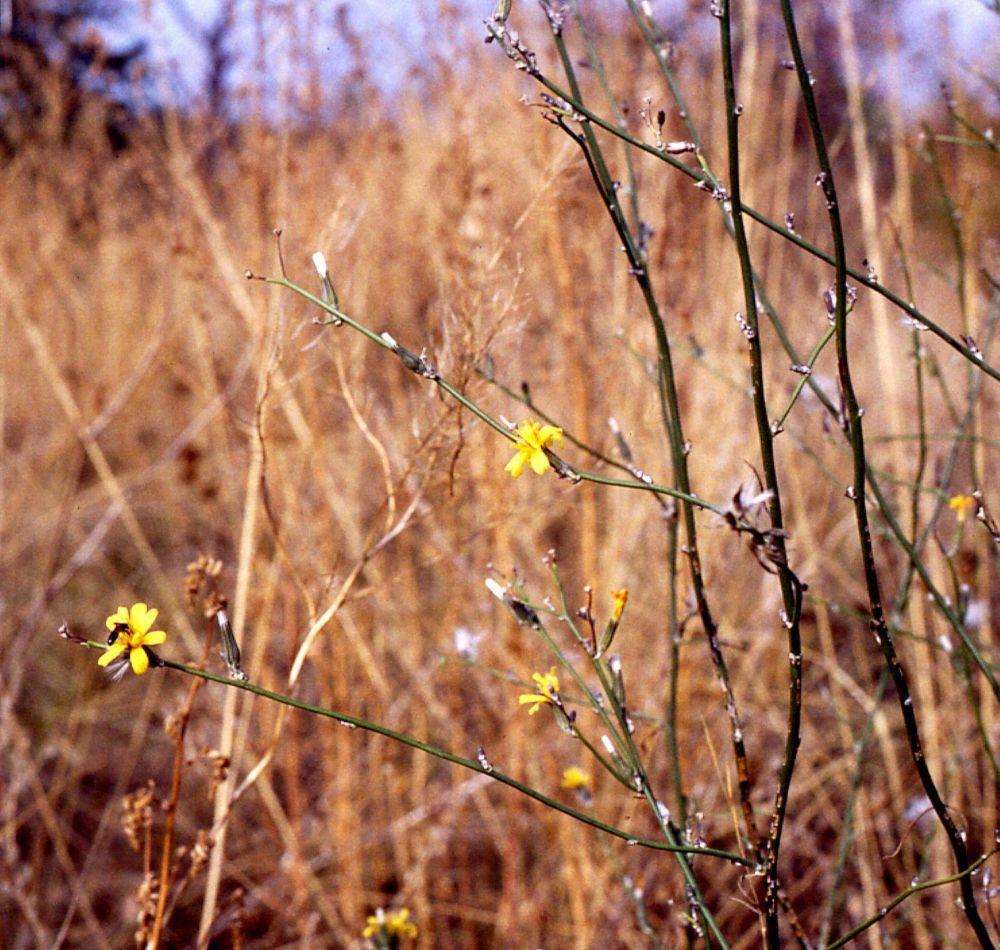
The rush skeletonweed can grow up to 1.2 m high.
Most of the leaves are in a rosette near the ground. They are coarse and finely toothed. This makes them reminiscent of dandelion leaves. The midvein on the lower surface of the leaf is bristly and hairy. The stem leaves are narrow and have entire margins.
The stem is blue-green and already spreading above the basal leaves. It is irregularly branched in different directions.
At first glance, the flower head can be mistaken for the flower. However, it is a pseudo flower. It consists of 7 to 15 separate, yellow ray florets.
The fruits are small, nut-like fruits. They have a stalked crown of hairs.
Features
Rush skeletonweed
Chondrilla juncea
blue-green stem
contains milky juice (lactiferous)
In the city
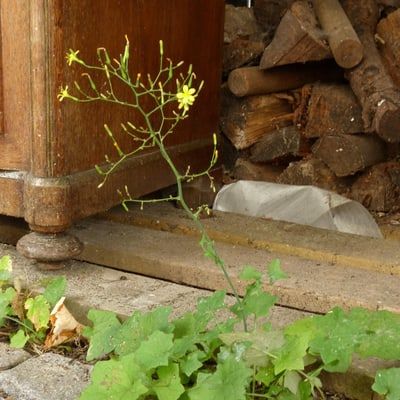
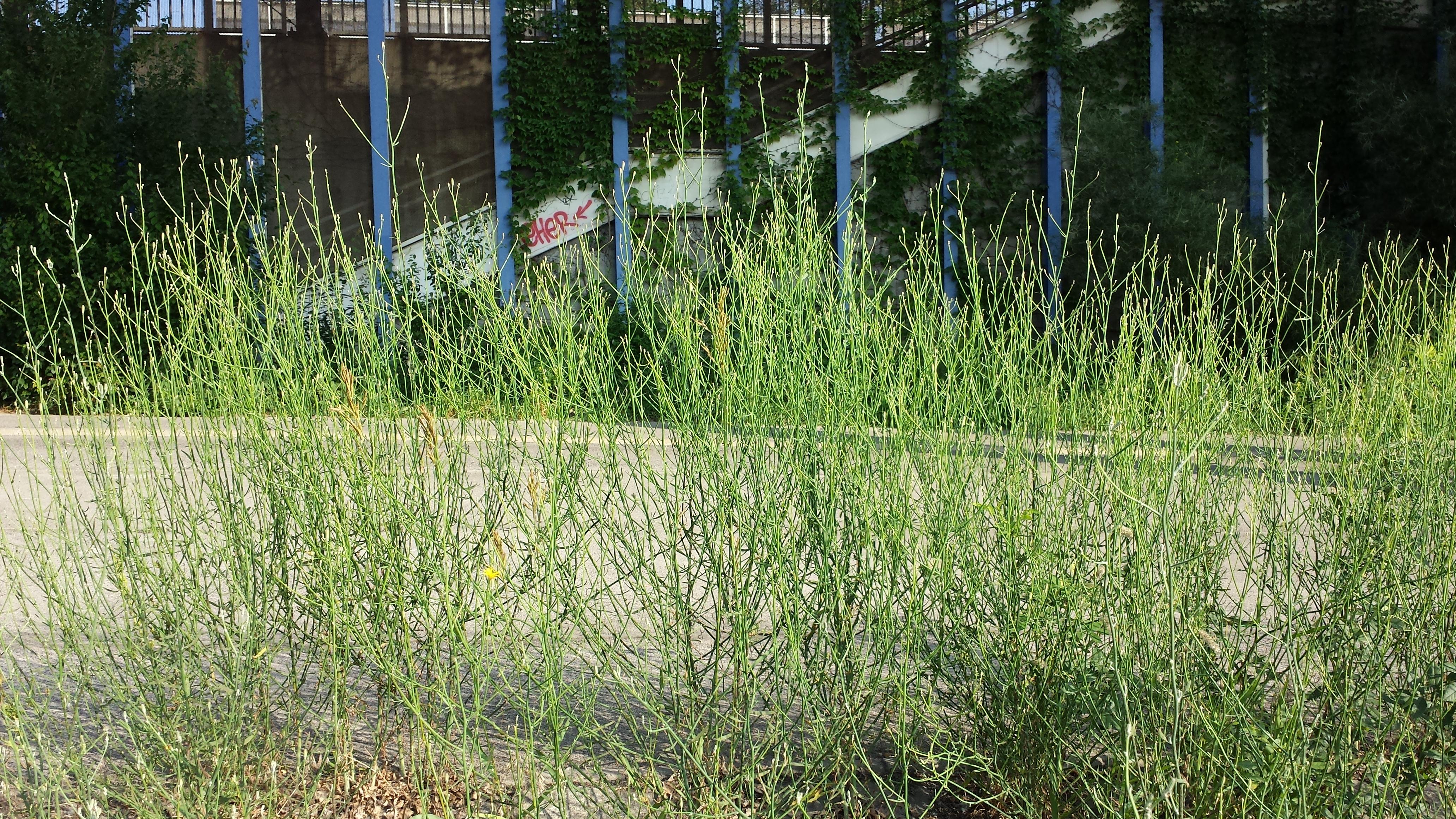
In the city, the rush skeletonweed is particularly common on meadows and roadsides.
Fun Facts
The flower heads open in the early morning and close again in the early afternoon.
The flowering period is from July to September.
Pollination is carried out by insects.
It lives for several years and generally flowers and fruits annually (perennial plant).
- Endangerment level Germany: not endangered
The genus name "Chondrilla" is derived from the Greek "chondros" = “cartilage".
Sources
Blütenstand, Leo Michels, CC0 1.0, https://commons.wikimedia.org/wiki/File:Chondrilla_juncea_IP0608229.jpg

Habitus, Stefan.lefnaer, CC BY-SA 3.0, https://commons.wikimedia.org/wiki/File:Chondrilla_juncea_sl1.jpg

Habitus, Franz Xaver, CC BY-SA 3.0, https://commons.wikimedia.org/wiki/File:Chondrilla_juncea2.jpg

Page „Großer Knorpellattich“. : Wikipedia, The Free Encyclopedia. Date of last revision: 20.04.2017, 22:57 UTC. URL: https://de.wikipedia.org/w/index.php?title=Gro%C3%9Fer_Knorpellattich&oldid=164768681 (Accessed: 15.06.2017).
Jäger, E. J. (2011) Rothmaler - Exkursionsflora von Deutschland. Gefäßpflanzen: Grundband, Heidelberg: Spektrum Akademischer Verlag.
Bundesamt für Naturschutz (n.d.) Artensteckbriefe, URL: http://floraweb.de/pflanzenarten/artenhome.xsql?suchnr=1539& (Accessed: 15.06.2017).