
Short Description
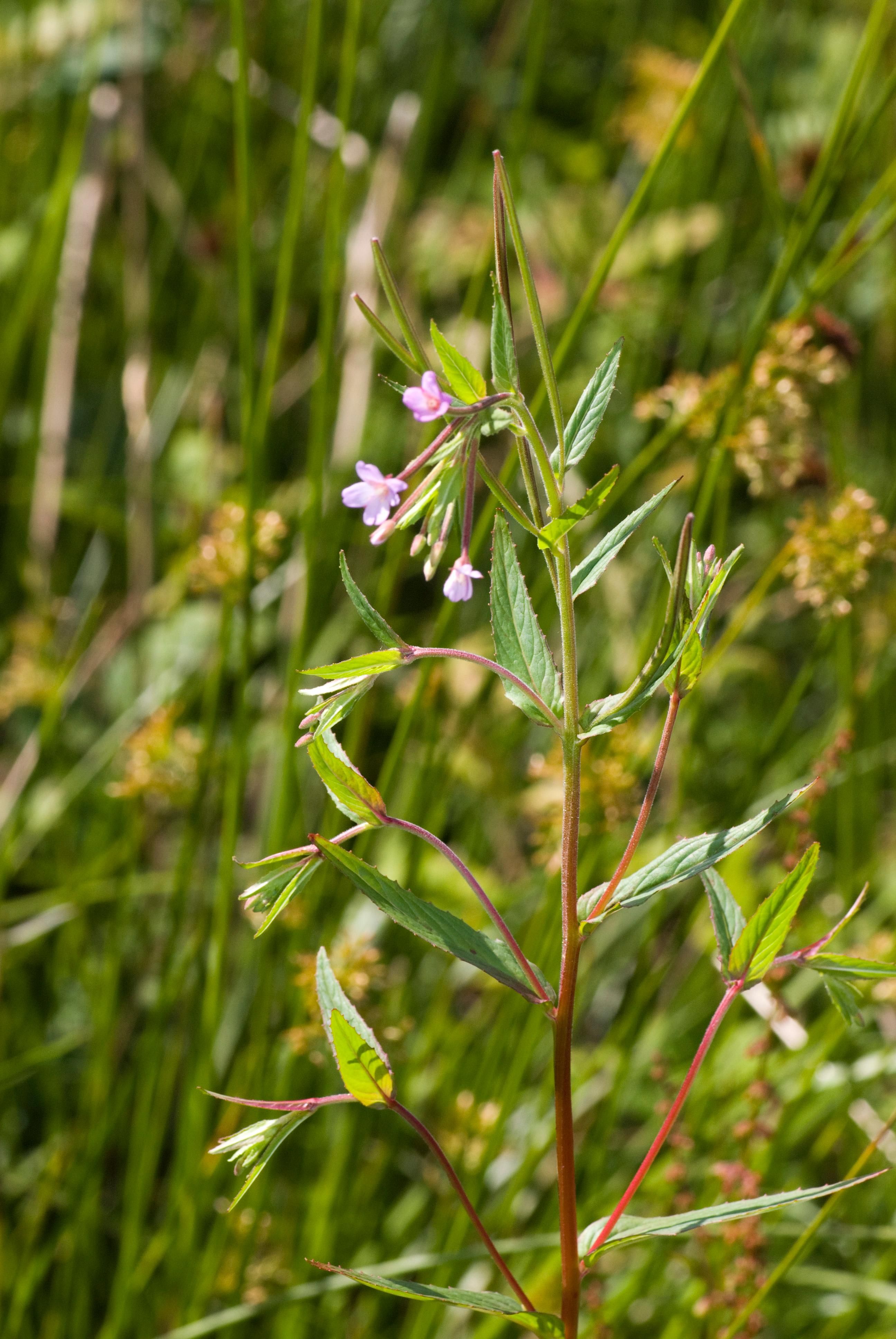
The fringed willowherb is usually less than one metre high. In rare cases, however, it can grow to almost 1.5 metres high.
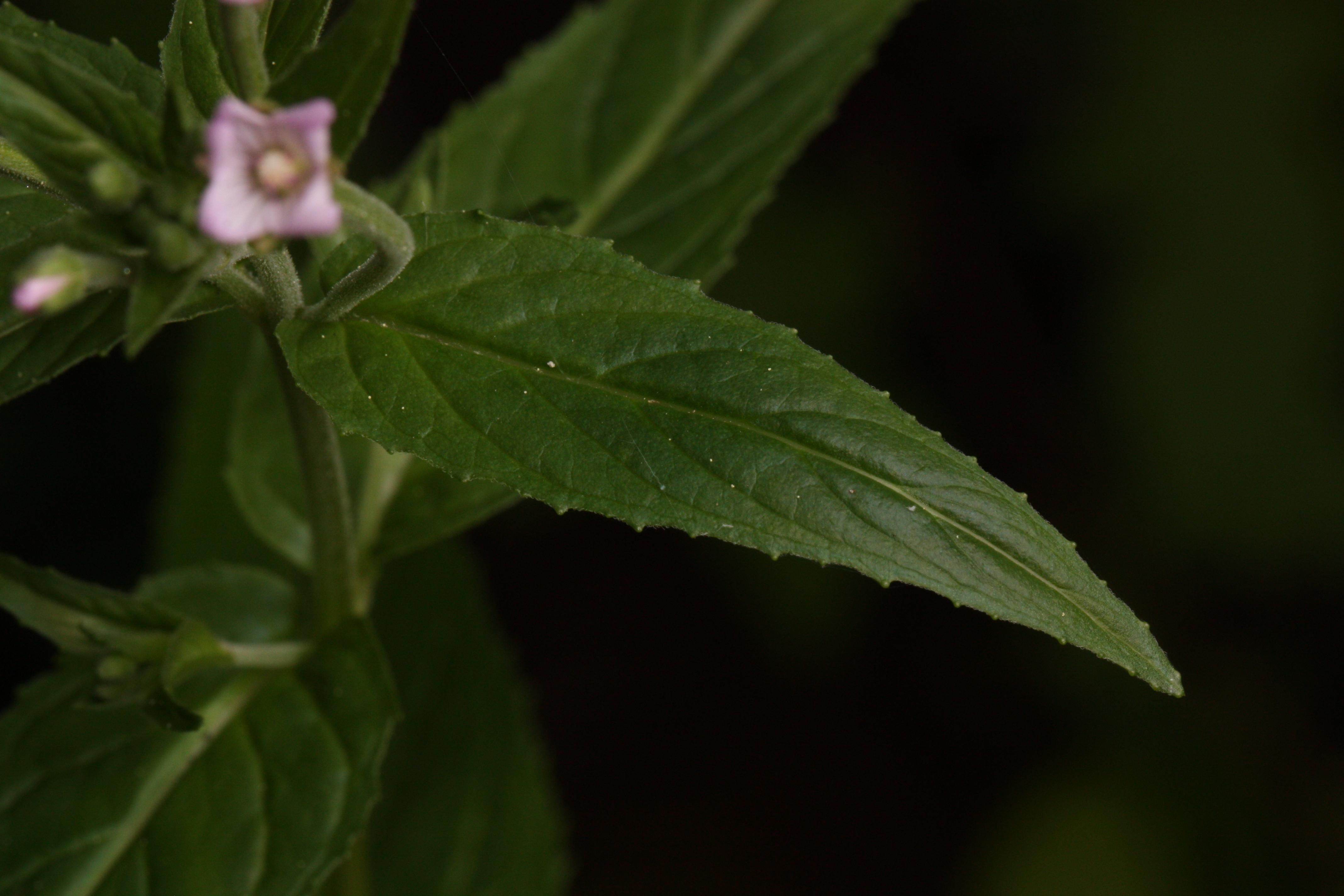
The leaves are elongated and have a serrated leaf margin.
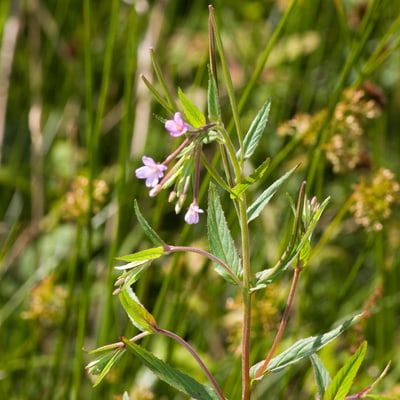
The stem is angular and glandular hairy in the upper part. It forms a rosette of leaves at the base.
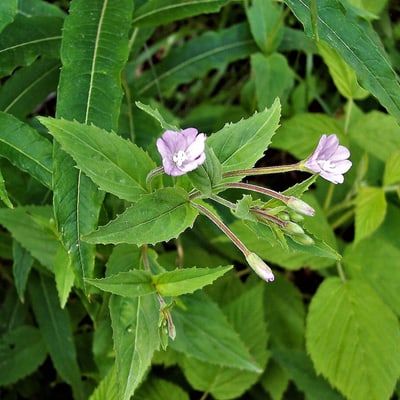
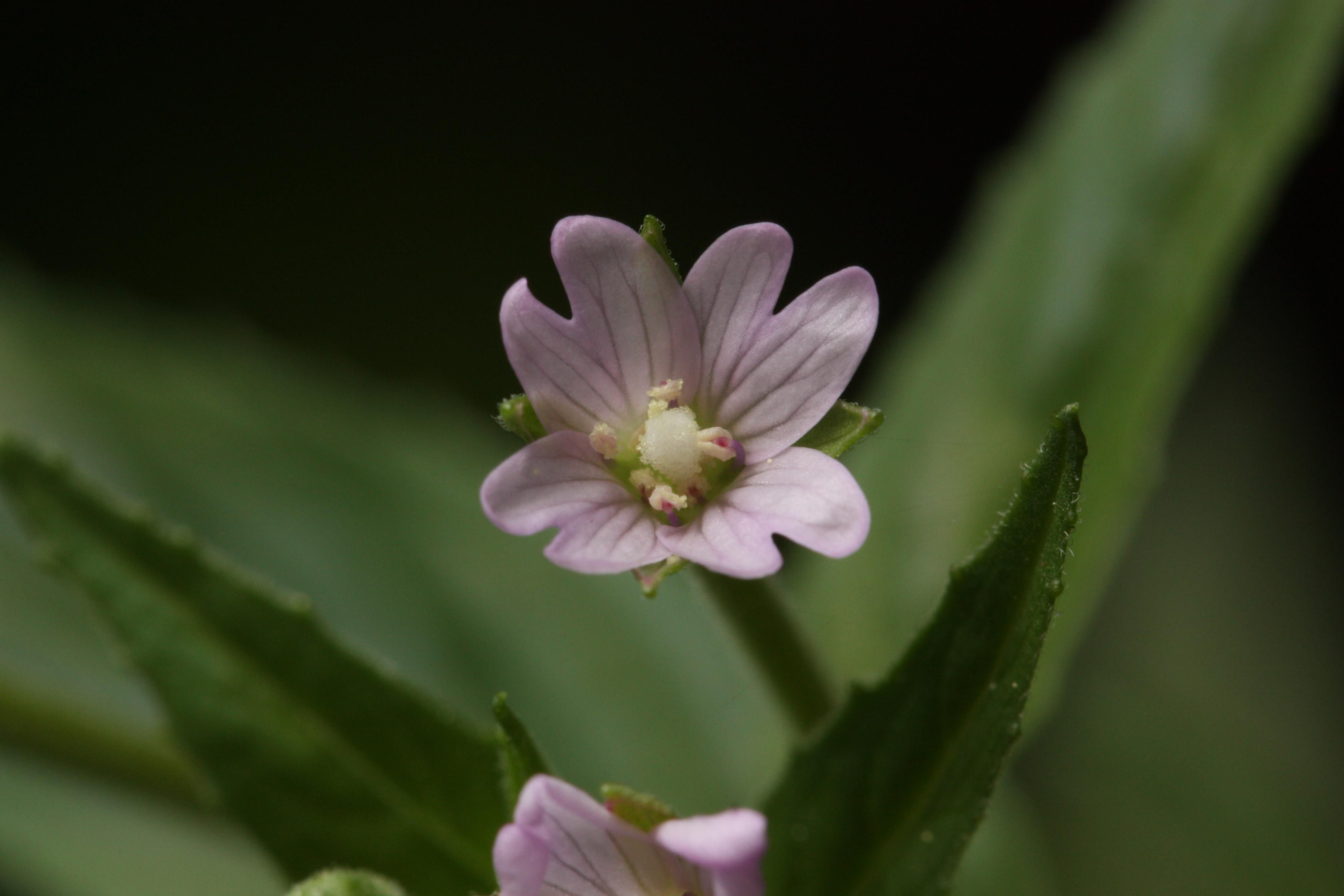
The flowers are light pink to white and funnel-shaped.
The fruit is a glandular hairy capsule. The seeds bear a head of hair.
Features
Fringed willowherb
Epilobium ciliatum
Leaf rosette at the base
Leaves with serrated edge
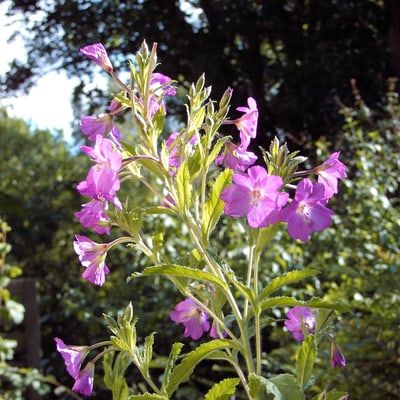
Similar species
In the city
The fringed willowherb grows on fresh, nutrient-rich clay soils. It prefers deforested areas, embankments, gardens, forest margins and reedbeds.
Fun Facts
Its flowering period is from June to October.
The plant lives for several years and generally flowers and fruits annually (perennial plant).
- Endangerment level Germany: not evaluated
The fringed willowherb originates from North America and has been known in Germany since 1927. It is therefore a non-native plant (neophyte) in Germany.
Sources
Habitus, Olivier Pichard, CC BY-SA 3.0, https://species-id.net/openmedia/File:Epilobium_ciliatum_eu_76_14062008_2.jpg

Blüte, Walter Siegmund , CC BY-SA 3.0, https://commons.wikimedia.org/wiki/File:Epilobium_ciliatum_0374.JPG

Blätter, Walter Siegmund , CC BY-SA 3.0, https://commons.wikimedia.org/wiki/File:Epilobium_ciliatum_0396.JPG

Page „Drüsiges Weidenröschen“. : Wikipedia, The Free Encyclopedia. Date of last revision: 29.05.2017, 15:39 UTC. URL: https://de.wikipedia.org/w/index.php?title=Dr%C3%BCsiges_Weidenr%C3%B6schen&oldid=165913073 (Accessed: 23.07.2018).
Bundesamt für Naturschutz (n.d.) Artensteckbriefe, URL: http://floraweb.de/pflanzenarten/artenhome.xsql?suchnr=21642& (Accessed: 23.07.2018).
Seitz, B., Ristow, M., Meißner, J., Machatzi, B. & Sukopp, H. (2018) Rote Liste und Gesamtartenliste der etablierten Farn- und Blütenpflanzen von Berlin. : Der Landesbeauftragte für Naturschutz und Landschaftspflege / Senatsverwaltung für Umwelt, Klima und Verkehr (eds.) Rote Listen der gefährdeten Pflanzen, Pilze und Tiere von Berlin, URL: https://www.berlin.de/sen/uvk/natur-und-gruen/naturschutz/artenschutz/artenlisten-rote-listen/farn-und-bluetenpflanzen/ (Accessed: 26.03.2021).