
Short Description
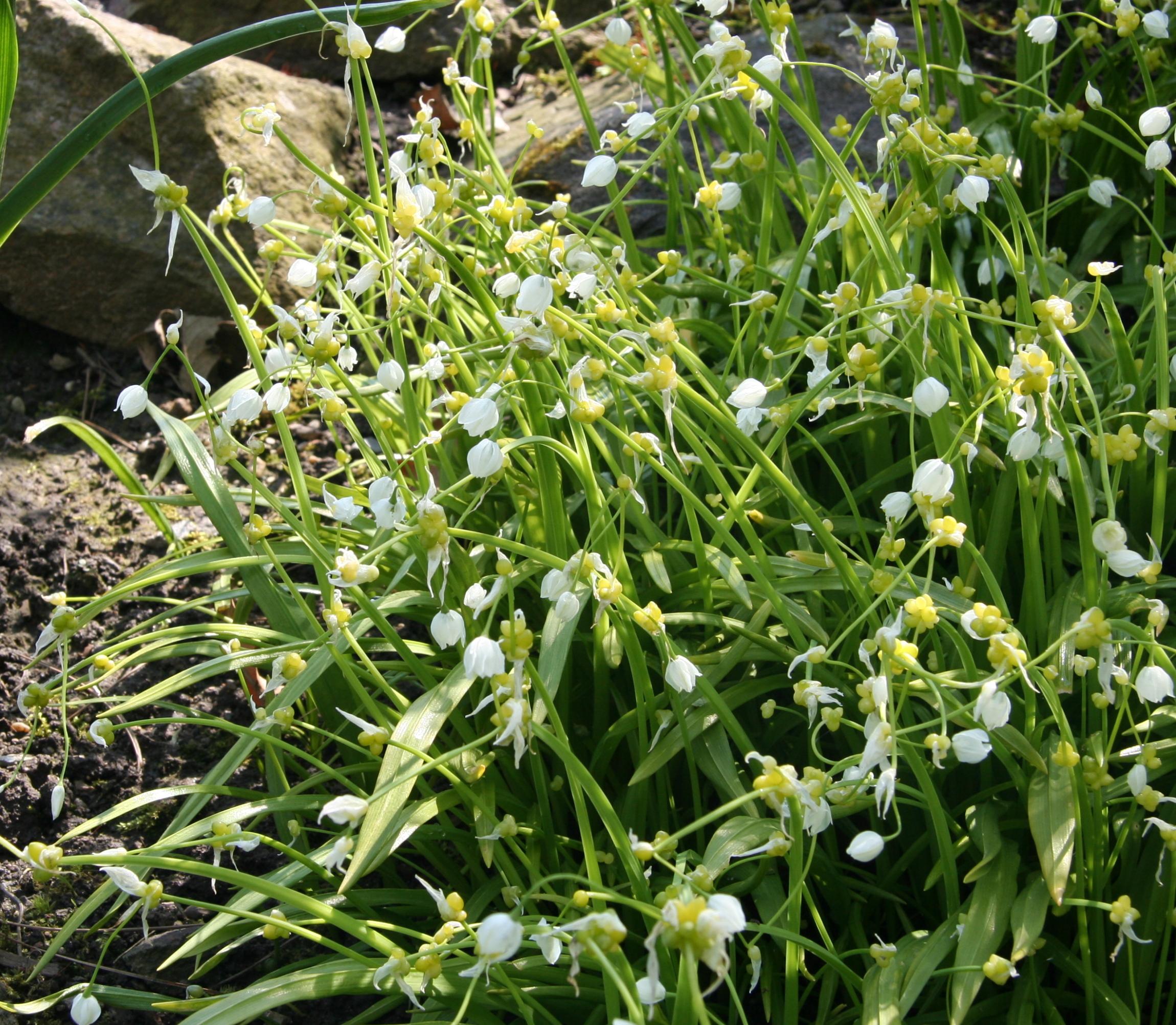
The few-flowered leek can grow up to 30 cm high.
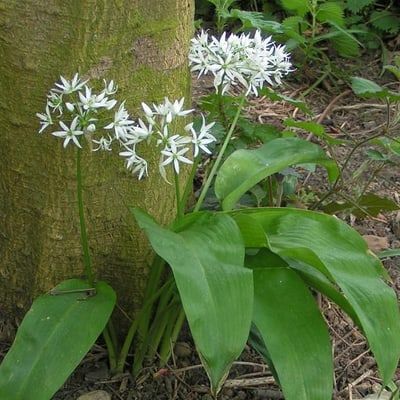
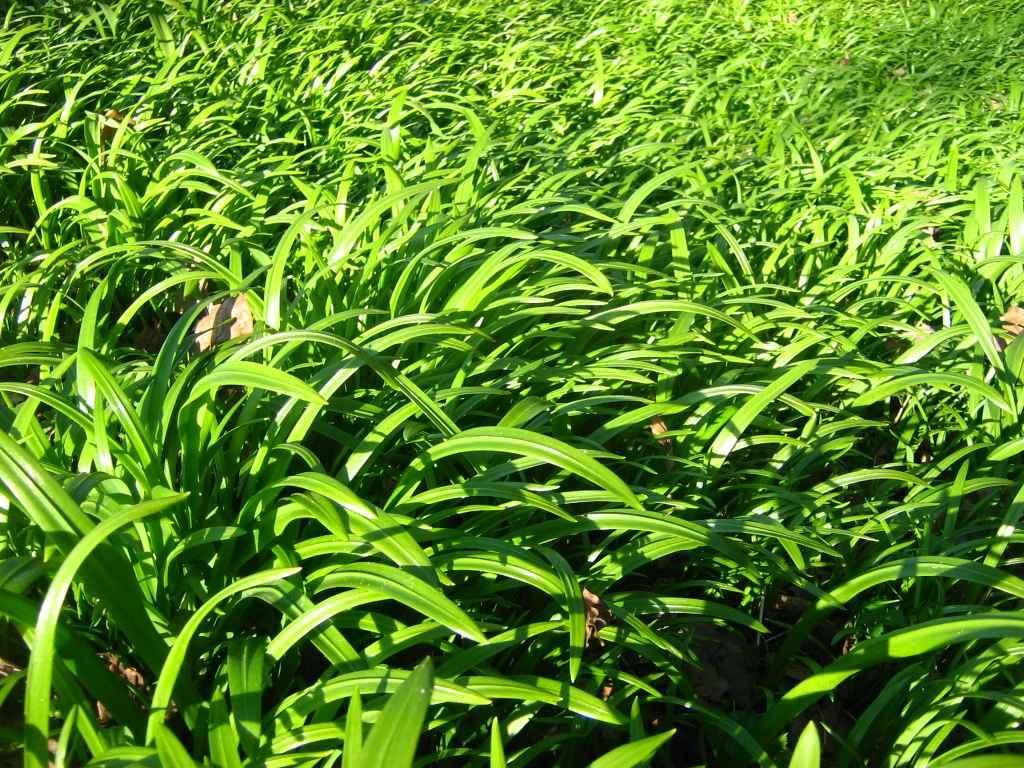
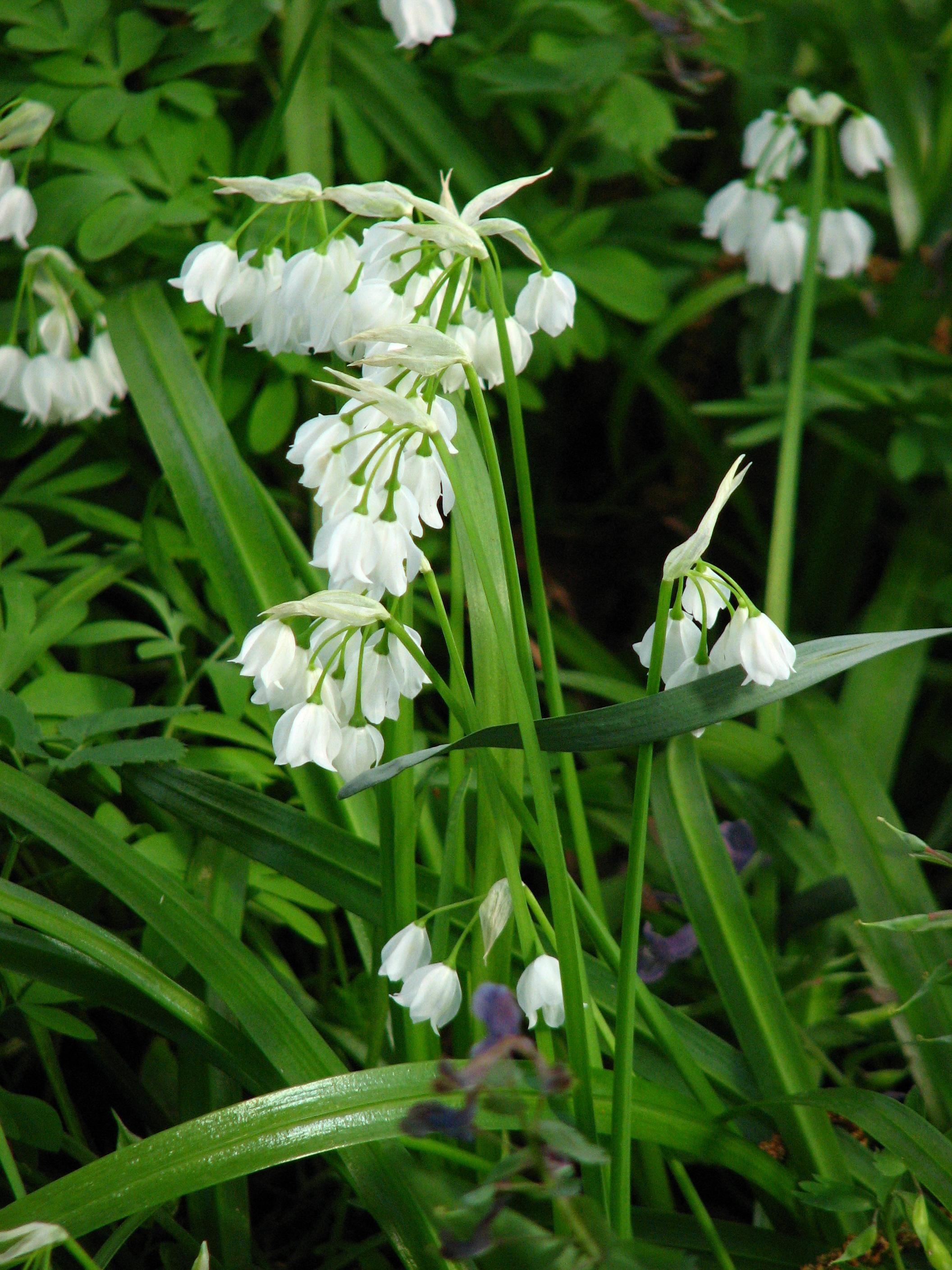
The one to three leaves appear to come directly from the ground (basal). They are long, narrow and become even narrower at the base. The midrib is clearly visible.
The stem is triangular and has no leaves.
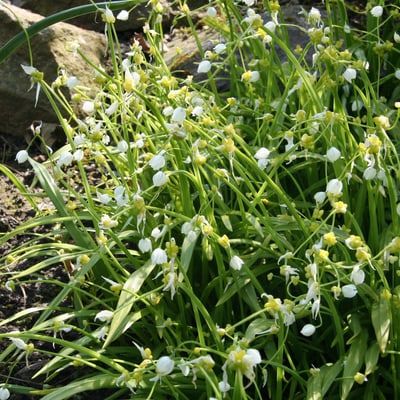
The individual flowers are white and broadly bell-shaped. They stand with up to ten flowers in umbrella-like branches (umbels).
There is almost no fruit formation. The reproduction of the plant is mainly ensured by the formation of brood bulbs.
Features
Few-flowered leek
Allium paradoxum
strong leek smell
white bell-shaped flowers
In the city
It usually occurs in masses. It prefers moderately moist and shady habitats such as deciduous forests, bushes and parks.
Fun Facts
It is said to have a healing effect on the gastrointestinal tract and blood circulation.
The flowering period is from April to May.
Like other leek species, it has an antibiotic effect.
It lives for several years and generally flowers and fruits annually (perennial plant).
- Endangerment level Germany: not evaluated
It originates from the Caucasus. It is an invasive non-native plant (neophyte) that is spreading rapidly.
Like other leek species, it is edible.
Sources
Habitus, Michael Wolf, CC BY-SA 3.0, https://commons.wikimedia.org/wiki/File:Allium_paradoxum_01.jpg

Blätter, Botaurus, PD, https://commons.wikimedia.org/wiki/File:Allium-paradoxum-NB-Wallanlage-03-04-2009-18.jpg

Habitus, Kor!An (Андрей Корзун), CC BY-SA 3.0, https://commons.wikimedia.org/wiki/File:Allium_paradoxum_02.JPG

Page „Wunder-Lauch“. : Wikipedia, The Free Encyclopedia. Date of last revision: 19.05.2017, 14:54 UTC. URL: https://de.wikipedia.org/w/index.php?title=Wunder-Lauch&oldid=165648054 (Accessed: 29.05.2017).