
Short Description
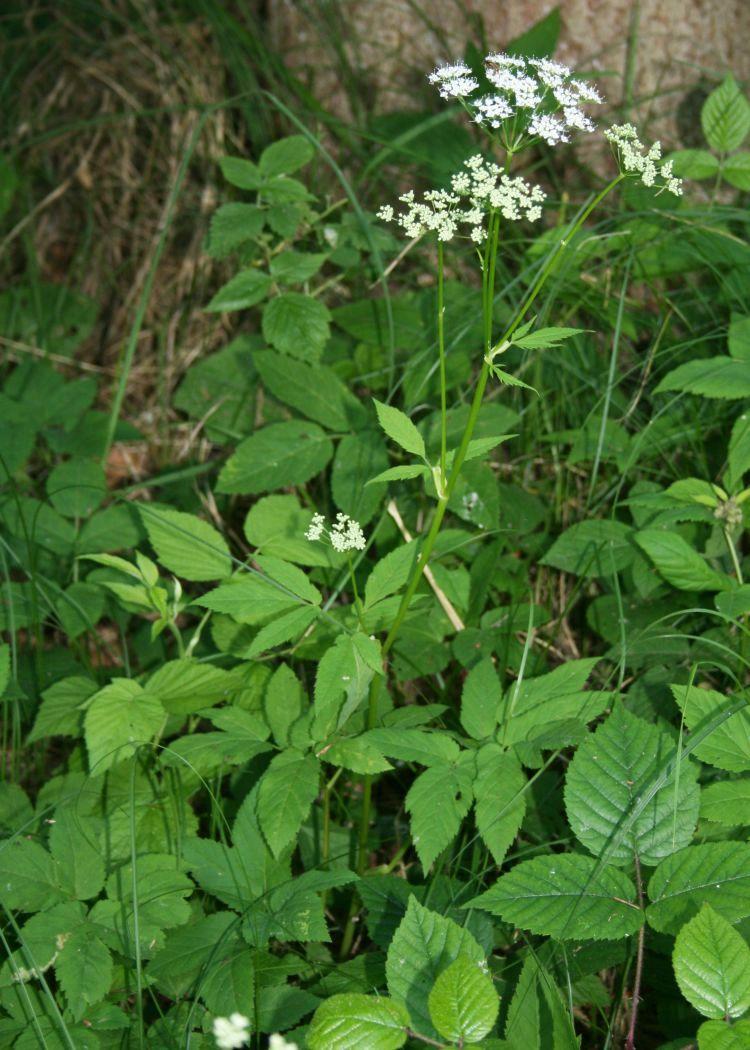
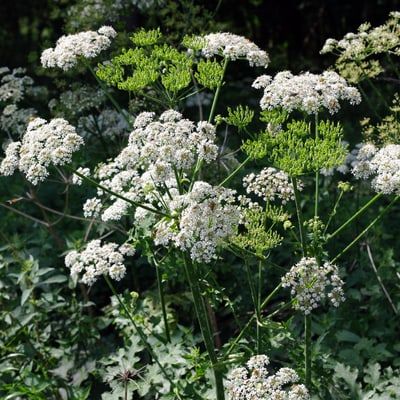
Ground elder is a plant that spreads through underground rhizomes and can grow up to one metre high.
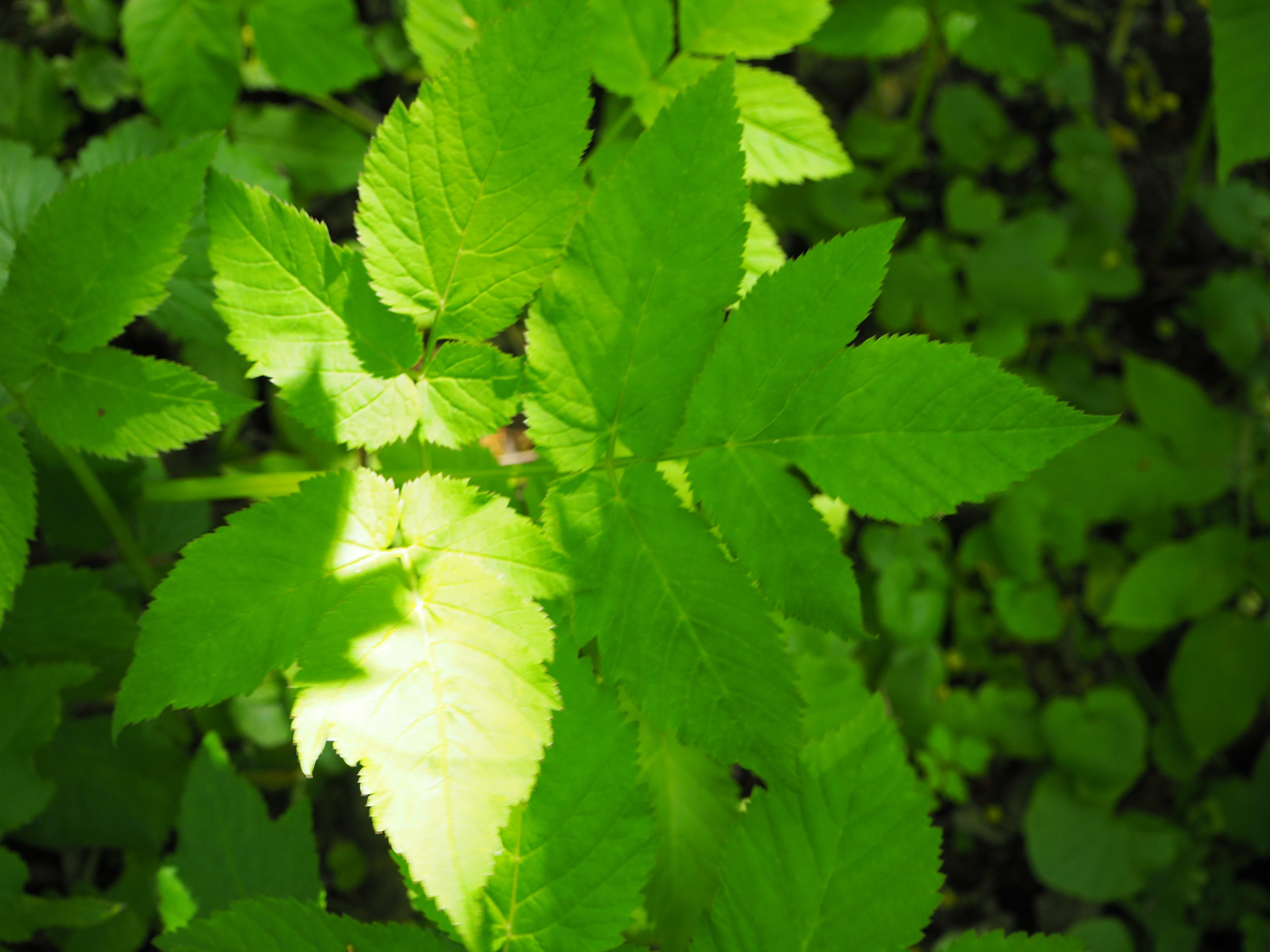
The leaves are doubly ternate. This means that each leaf is divided into three leaflets, with each of these leaflets again divided into three lobes.
The perennial plant has an upright hollow stem. It is grooved and has long underground runners.
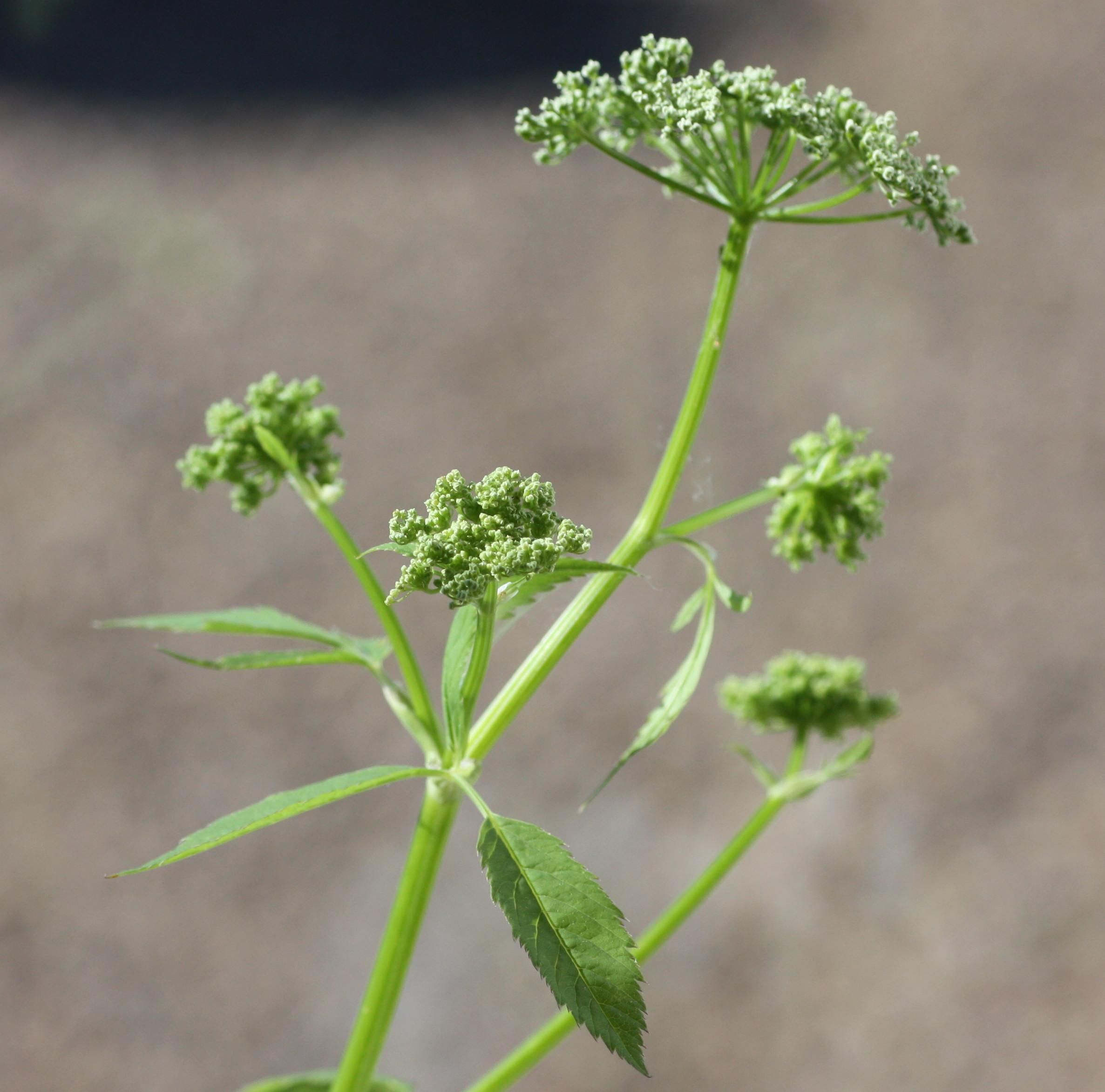
The flower heads (double umbels) can grow up to one metre high under good conditions. The double umbels consist of several individual umbels (umbrella-like branches) that in turn consist of up to 20 white flowers.
The fruits are bipartite schizocarp fruit. They are roundish, bare and reminiscent of caraway seed.
Features
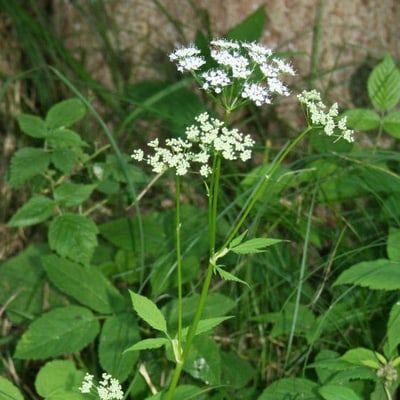
Ground elder
Aegopodium podagraria
large leaves divided into three lobes
roundish bare fruits
Similar species
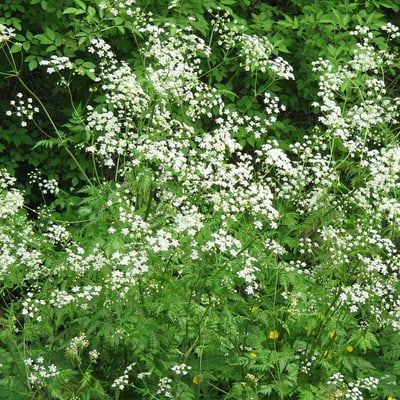
Cow parsley
Anthriscus sylvestris
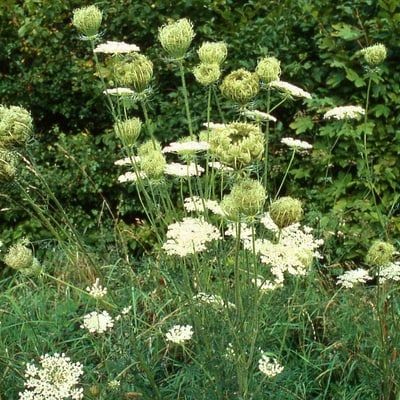
Wild carrot
Daucus carota
Hogweed
Heracleum sphondylium
In the city
In an urban environment ground elder is very common in deciduous forests, along river banks and in gardens. It prefers damp and semi-shaded sites with lime-deficient, nutrient-rich soil.
Gardeners generally regard ground elder as a persistent weed because of its rapid proliferation and underground runners.
Fun Facts
The sap or crushed leaves have a cooling and analgesic effect on insect bites.
Same as all umbellifers, ground elder in flower is frequently visited by wild bees, hover flies and other flies and beetles.
It flowers from June to July.
- Endangerment level Germany: not endangered
- Usage:
round elder was formerly used as a medicinal plant, hence its Latin name: Podagra – gout, against which it was said to be effective.
Herbal cuisine recommends to pick ground elder leaves fresh and to prepare them as a salad or like spinach. The leaves have a very strong taste.
Sources
Habitus, Franz Xaver, CC BY-SA 3.0, https://commons.wikimedia.org/wiki/File:Aegopodium_podagraria_1.jpg

Blatt, Alice Kracht, CC BY-SA 4.0, https://offene-naturfuehrer.de/web/Datei:Aegopodium_podagraria.JPG

Blütenstand, Wohlert Wohlers, CC BY-SA 3.0, https://commons.wikimedia.org/wiki/File:Aegopodium_podagraria_7a_Bl%C3%BCtenst%C3%A4nde_IMG_5898_Wohlers.JPG

Wohlers, W. (2016) Aegopodium podagraria – Giersch (JKI-Pflanzenportraits), URL: https://offene-naturfuehrer.de/web/Aegopodium_podagraria_%E2%80%93_Giersch_(JKI-Pflanzenportraits) (Accessed: 20.07.2016).
Fleischhauer, S. G., Guthmann, J. & Spiegelberger, R. (2007) Essbare Wildpflanzen. 200 Arten bestimmen und verwenden, Baden und München: AT Verlag.
Lippert, W. & Podlech, D. (1993) GU Naturführer. Blumen: die wichtigen Blütenpflanzen Mitteleuropas erkennen und bestimmen, München: Gräfe und Unzer Verlag.
Schönfelder, I. & Schönfelder, P. (2010) Der Kosmos-Heilpflanzenführer. Über 600 Heil- und Giftpflanzen Europas, Stuttgart: Franckh Kosmos Verlag.
Page „Giersch“. : Wikipedia, The Free Encyclopedia. Date of last revision: 28.06.2016, 21:21 UTC. URL: https://de.wikipedia.org/w/index.php?title=Giersch&oldid=155712444 (Accessed: 20.07.2016).
Bundesamt für Naturschutz (n.d.) Artensteckbriefe, URL: http://floraweb.de/pflanzenarten/artenhome.xsql?suchnr=87& (Accessed: 20.07.2016).