
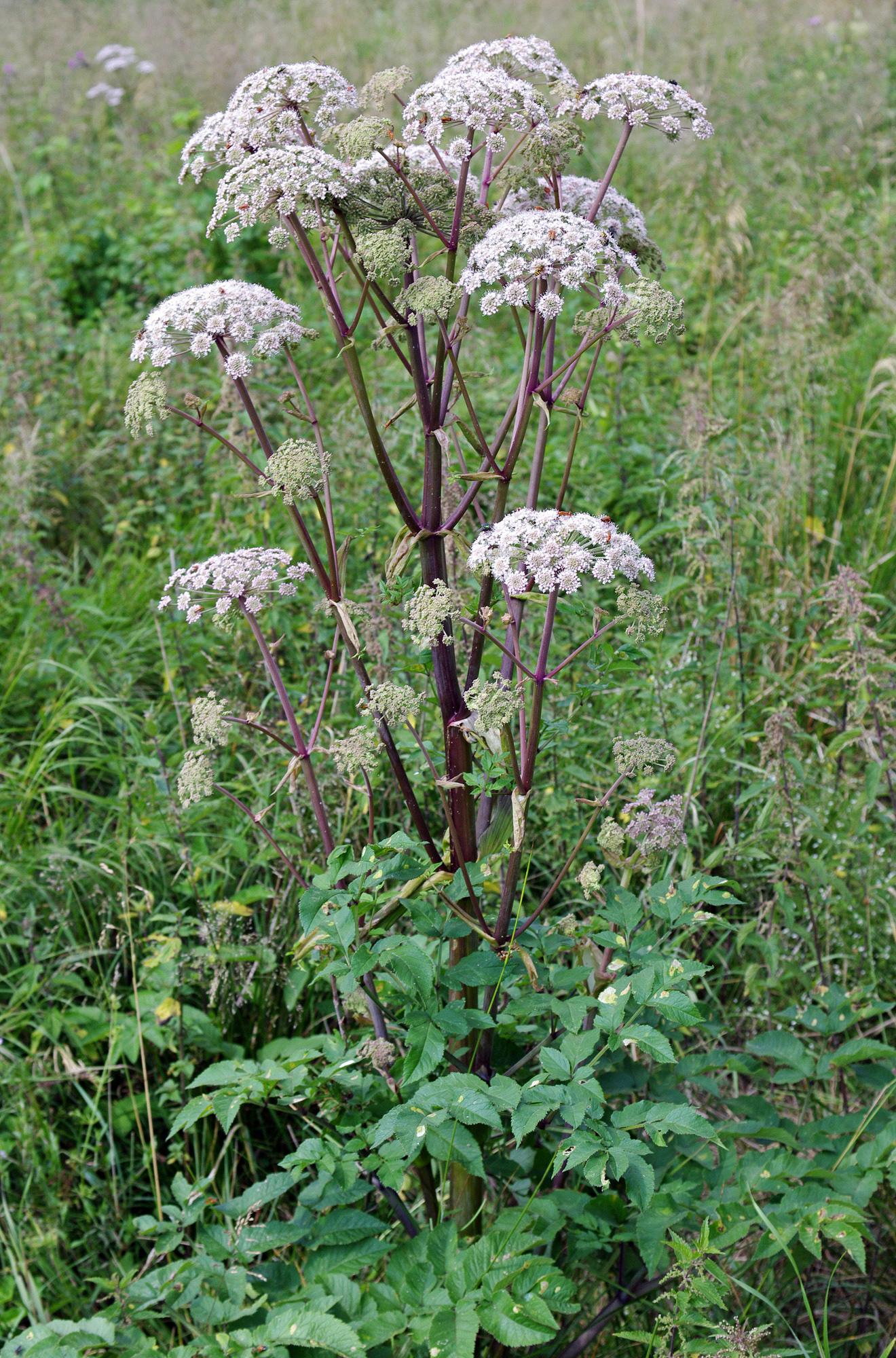
Short Description
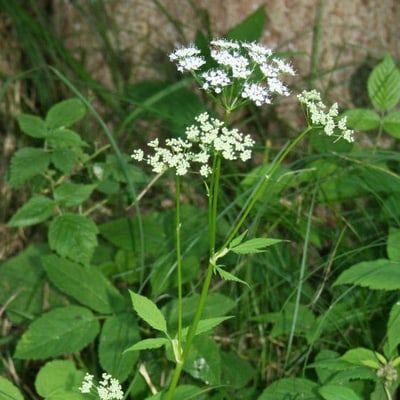
The wild angelica can grow up to two metres high.
The dark green leaves are up to 60 centimetres long. At the base of each leaf the leaf sheath, which encloses the shoot axis, is strongly bulbous. The leaves are divided two to three times into smaller leaves. The leaflets are broadly ovate and have a serrated edge.
The stem grows upright. It is round and hollow inside. It is dark green or brown and often whitish.
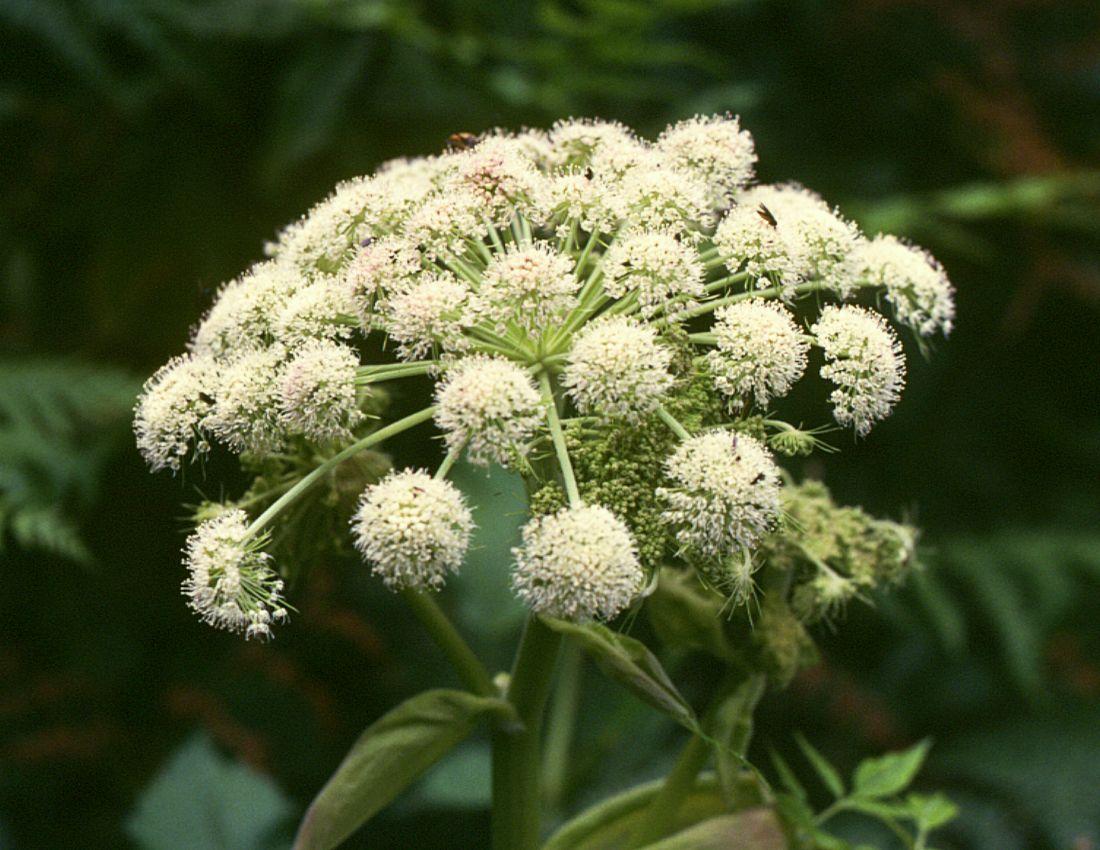
The individual, small flowers have five pink or white petals. They grow together in a large double umbel. Each side branch ends in an umbrella-like branch (umbel), which in turn ends in a smaller umbel.
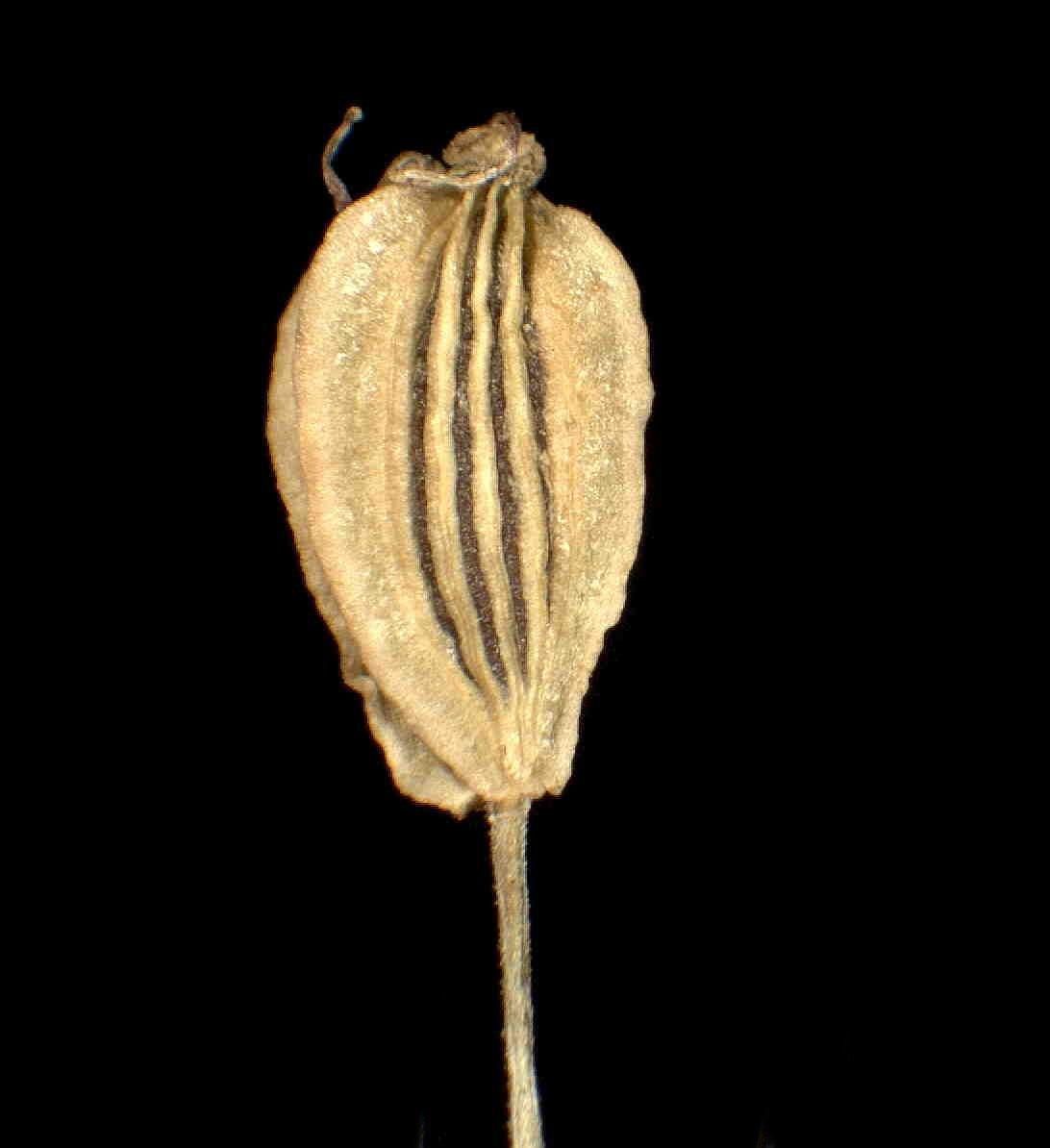
The fruits are flat, oval schizocarps. They have wing-shaped edges.
Features
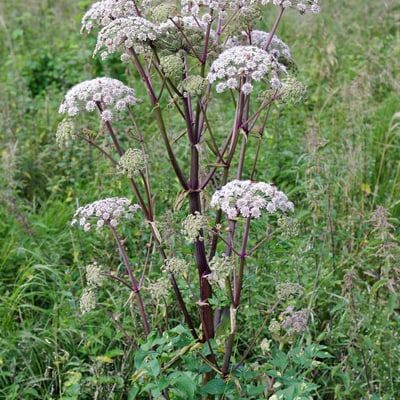
Wild angelica
Angelica sylvestris
poisonous similar species
bulbous leaf sheaths
up to 60 cm long leaves
Similar species
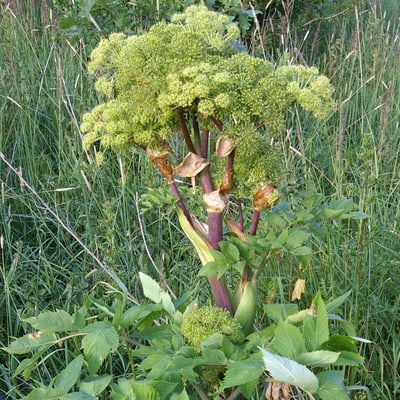
Garden angelica
Angelica archangelica
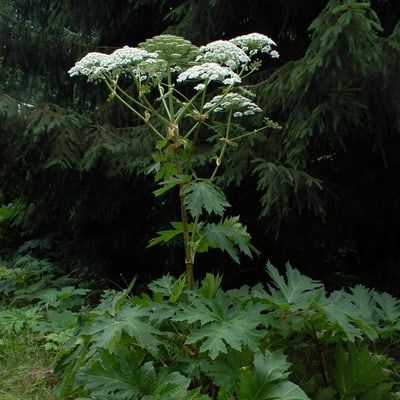
Giant hogweed
Heracleum mantegazzianum
Ground elder
Aegopodium podagraria
In the city
It occurs on wet and nutrient-rich soils and therefore prefers to grow in damp forests, on banks or in wet meadows. It does not tolerate urban conditions well and is therefore mostly restricted to clearings in the forest, roadsides and banks. It prefers semi-shady locations.
Fun Facts
It used to be a popular medicinal plant for coughs and stomach problems. Today it no longer plays a role in medicine.
The dead stems serve as winter habitat for many insects.
The flowering period is from June to September.
It is a perennial plant. This means that a plant lives for several years, but flowers only once and dies after the seeds have ripened.
The flowers are pollinated by insects.
- Endangerment level Germany: not endangered
It is native to Europe and widespread.
It can lead to similar skin reactions.
Sources
Habitus, Christian Fischer, CC BY-SA 3.0, https://commons.wikimedia.org/wiki/File:AngelicaSylvestris.jpg

Blütenstand, Franz Xaver, CC BY-SA 3.0, https://commons.wikimedia.org/wiki/File:Angelica_sylvestris_2.jpg

Einzelne Frucht getrocknet (stark vergrößert ×5,5-fach), Andrea Moro (2005), CC BY-SA 3.0, https://commons.wikimedia.org/wiki/File:Dryades_TSB19548.jpg

Schauer, T., Caspari, C. & Caspari, S. (2015) Der illustrierte BLV-Pflanzenführer für unterwegs. 1150 Blumen, Gräser, Bäume und Sträucher, München: BLV.
Schönfelder, I. & Schönfelder, P. (2010) Der Kosmos-Heilpflanzenführer. Über 600 Heil- und Giftpflanzen Europas, Stuttgart: Franckh Kosmos Verlag.
Spohn, M., Golte-Bechtle, M. & Spohn, R. (2015) Was blüht denn da? Stuttgart: Franckh Kosmos Verlag.
Page „Wald-Engelwurz“. : Wikipedia, The Free Encyclopedia. Date of last revision: 29.11.2016, 14:00 UTC. URL: https://de.wikipedia.org/w/index.php?title=Wald-Engelwurz&oldid=160190010 (Accessed: 14.12.2017).